Stories from the Settlement: Small Innovations, Big Transformations
Published on
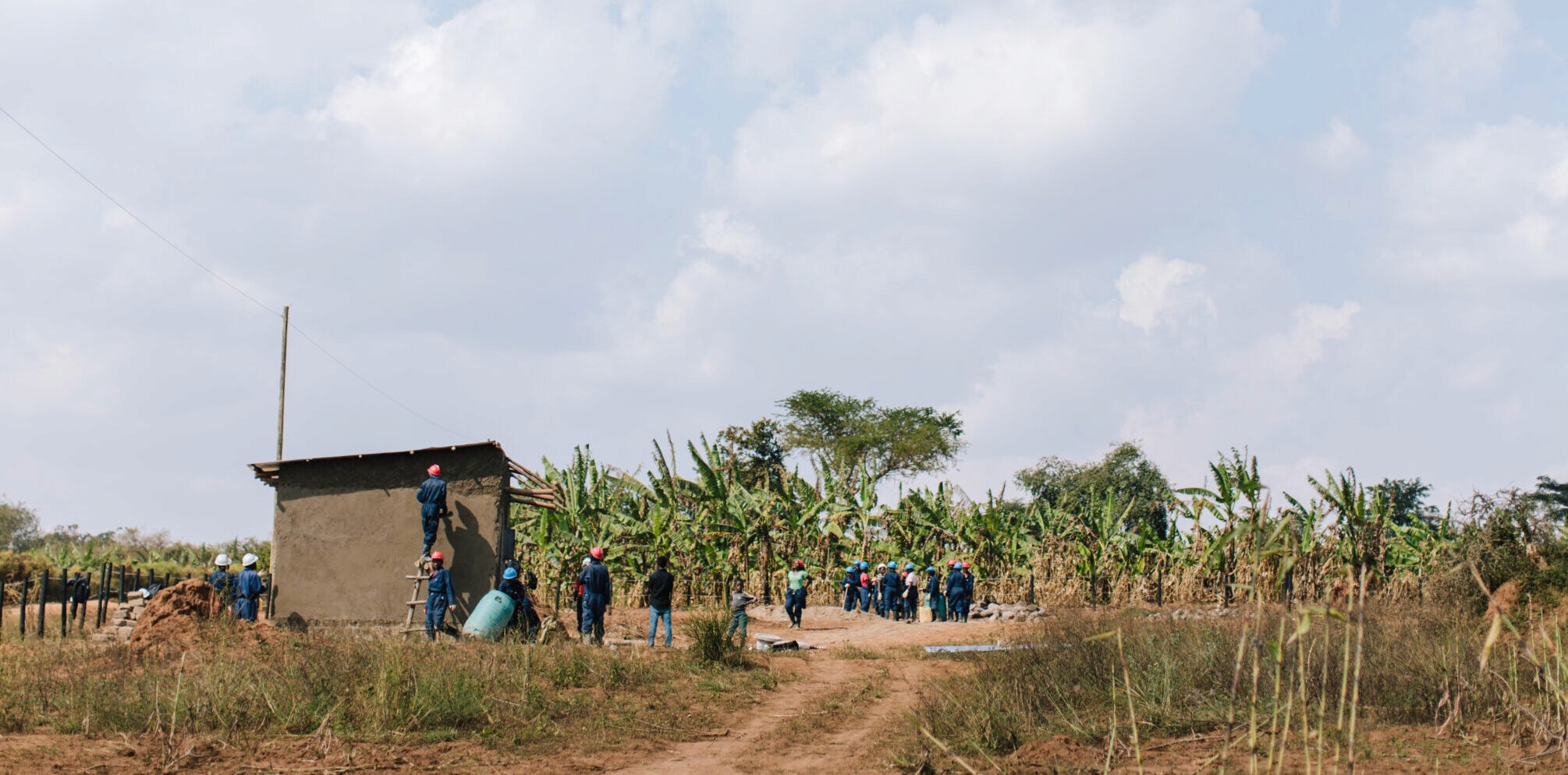
As part of our monitoring and evaluation, we recently gathered feedback and stories from participants of our latest programs this past year. What we heard was inspiring.
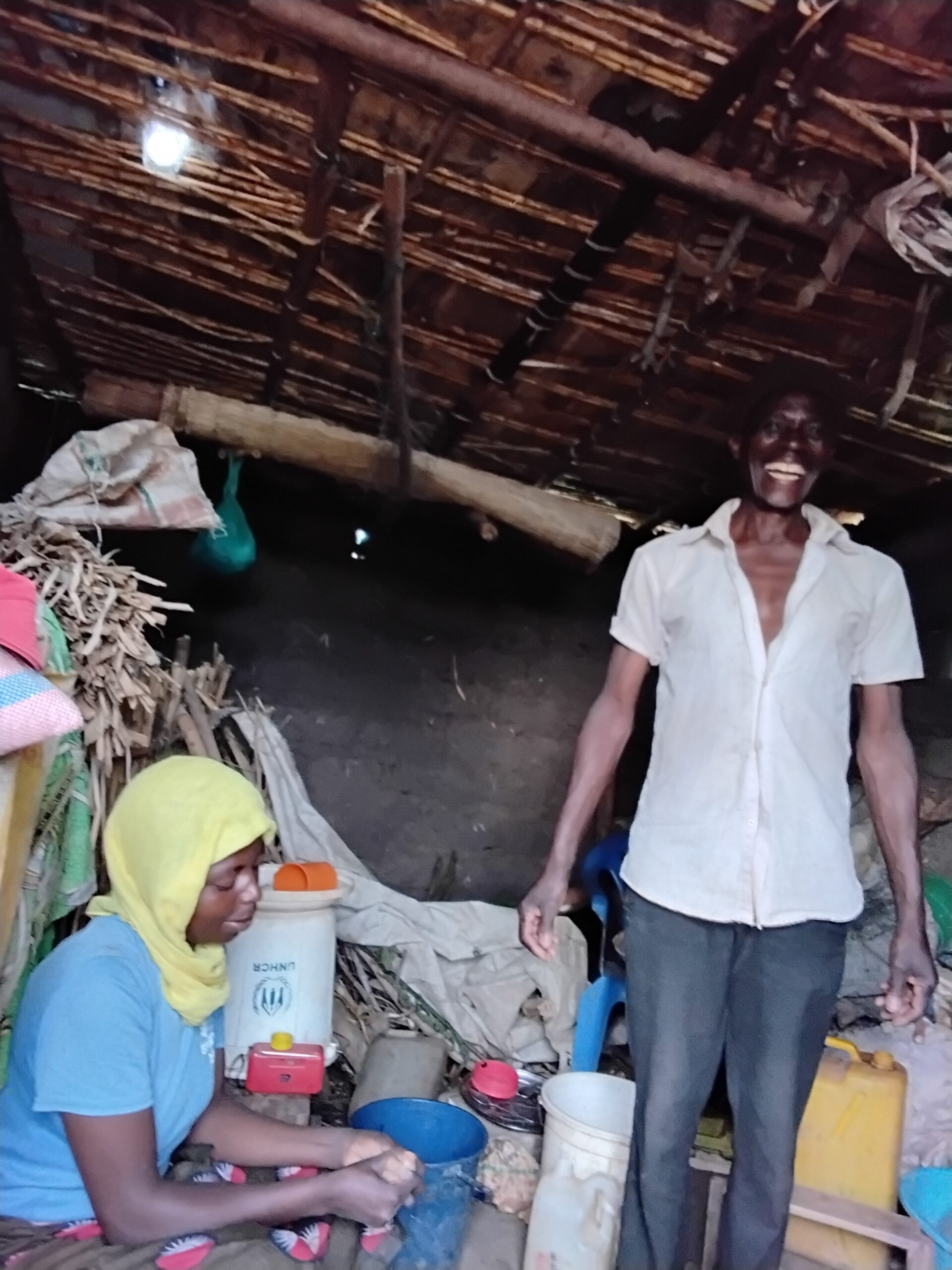
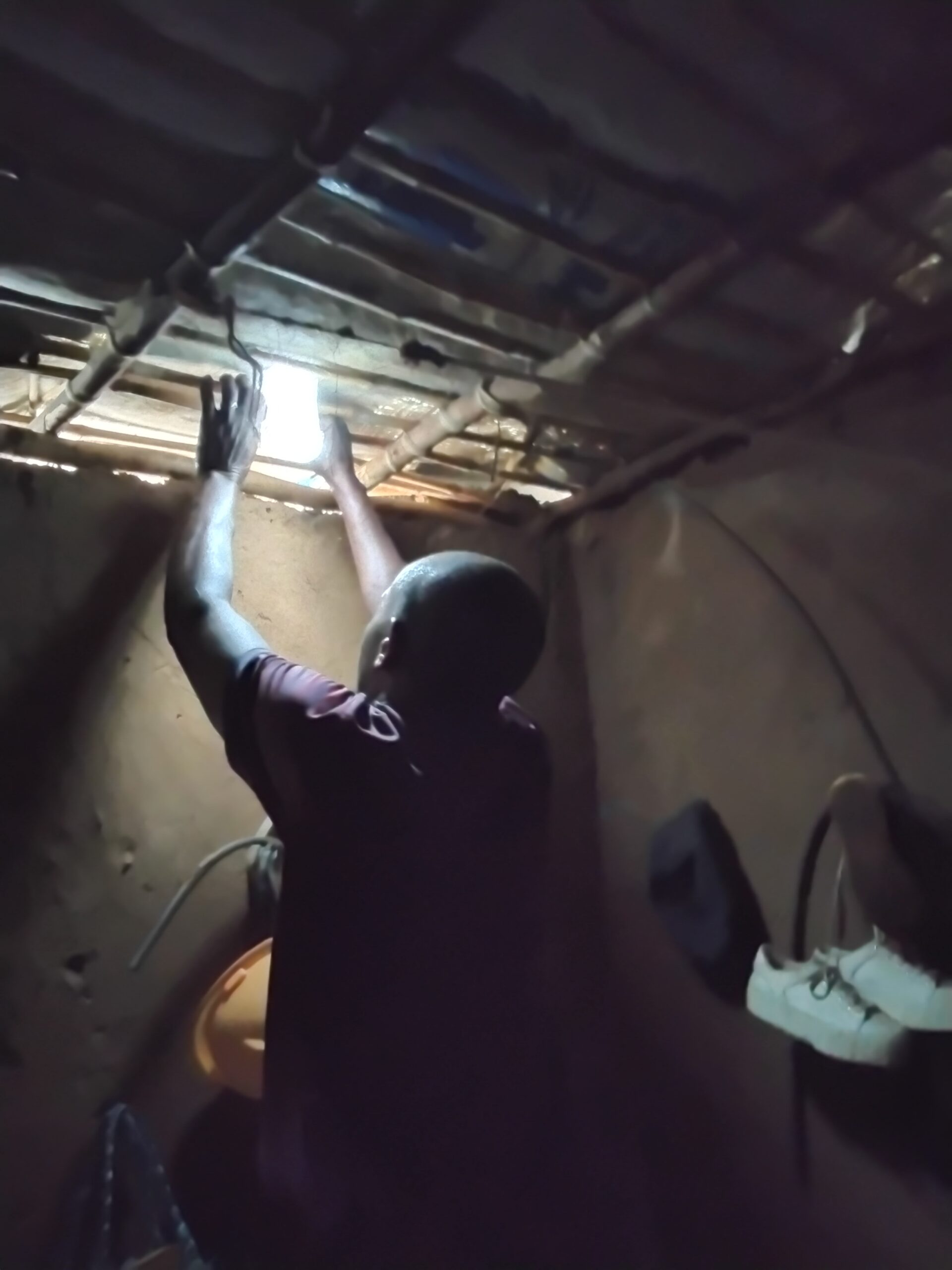
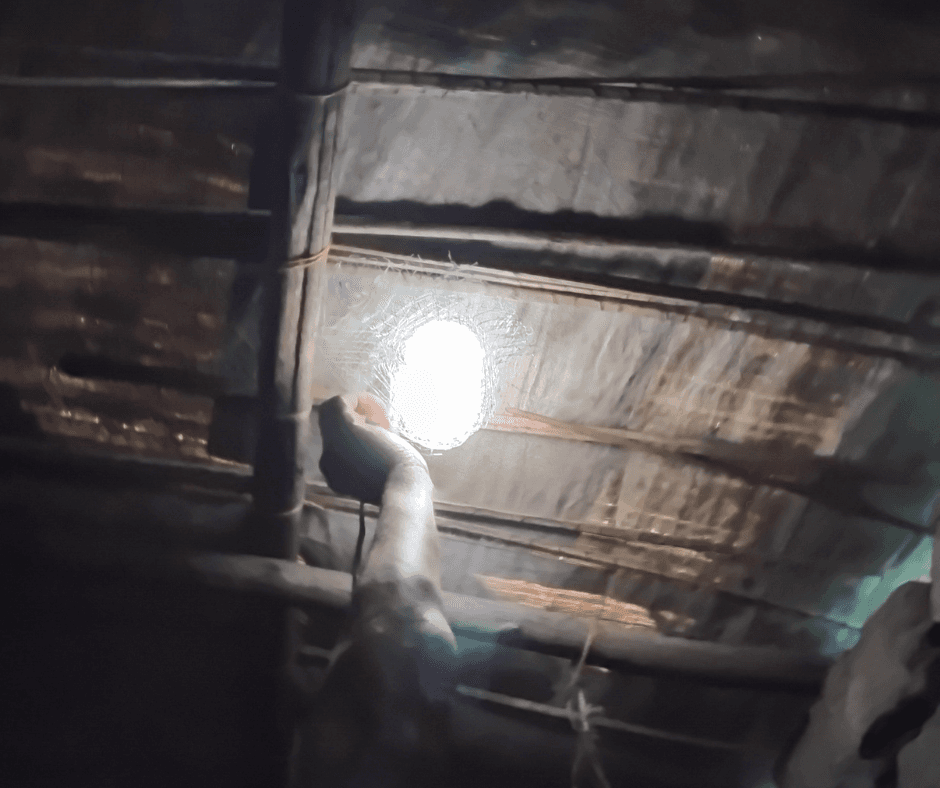
Bottle Skylight: Light from a Simple Bottle
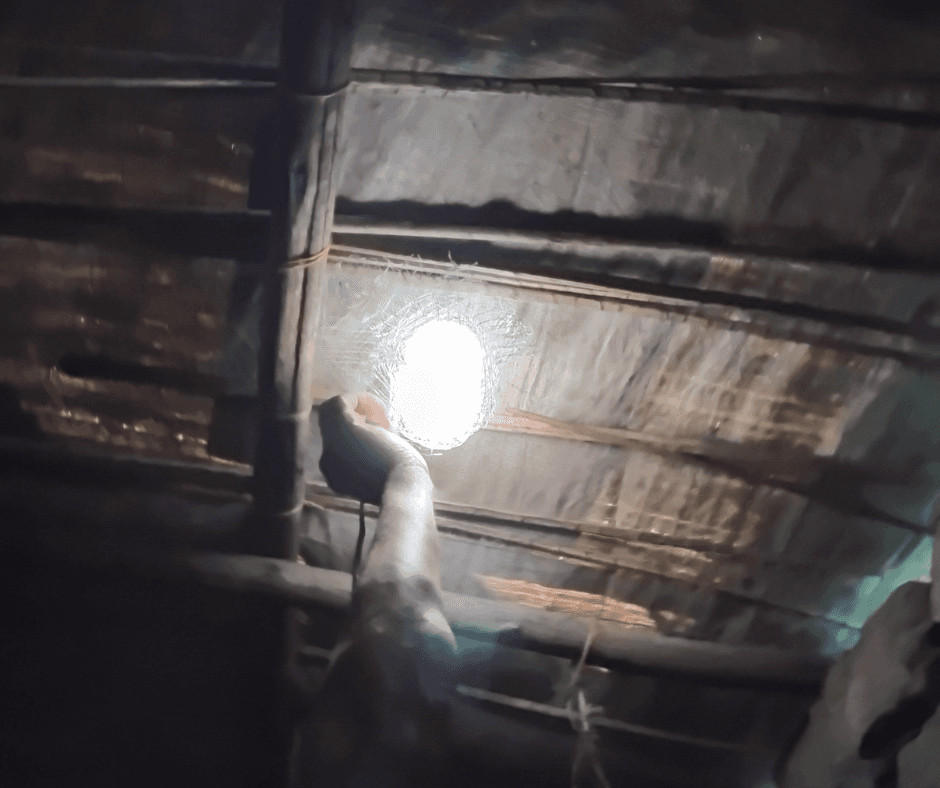
Sometimes, transformation starts small.
“Before this, I used to hold a jerrycan in one hand and a matchbox in the other, just to see where to go.” — Elderly resident with special needs, Rubondo
A simple skylight made from a plastic bottle has changed that. Homes are brighter, safer, and even inspiring others to join in.
“We never knew a bottle could make light. Now my daughter helps other homes fit them too.” — Mother of 4, Rubondo
What began as a pilot is now spreading from household to household.
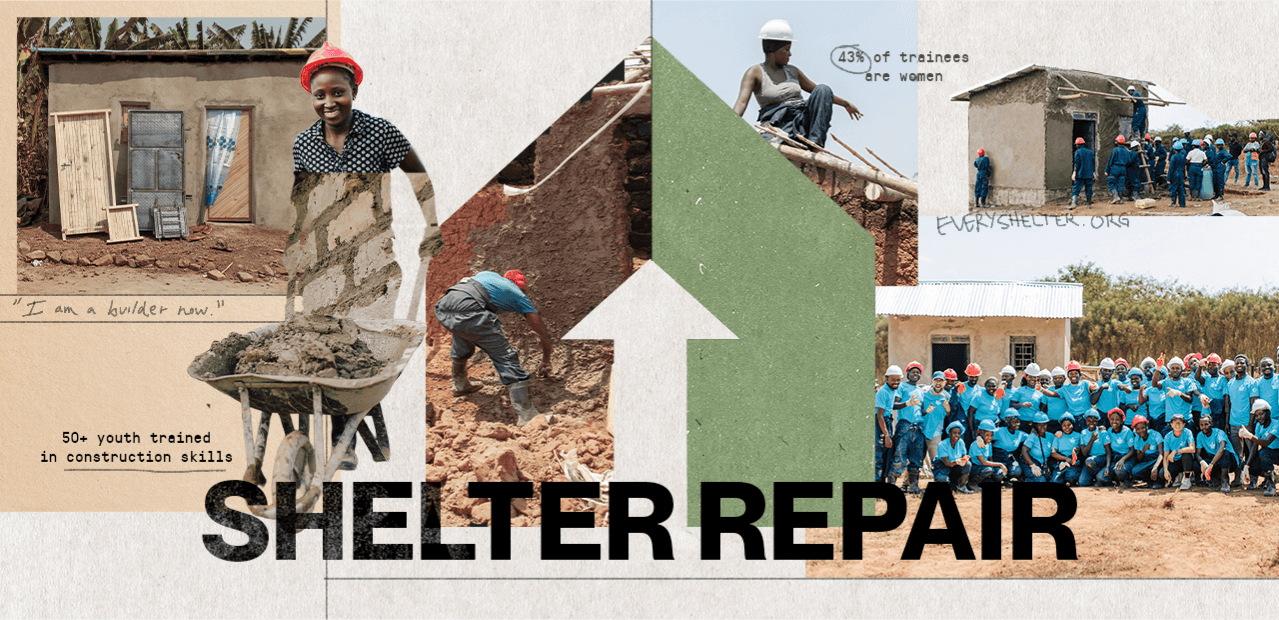
Shelter Repair: Skills that Build Futures
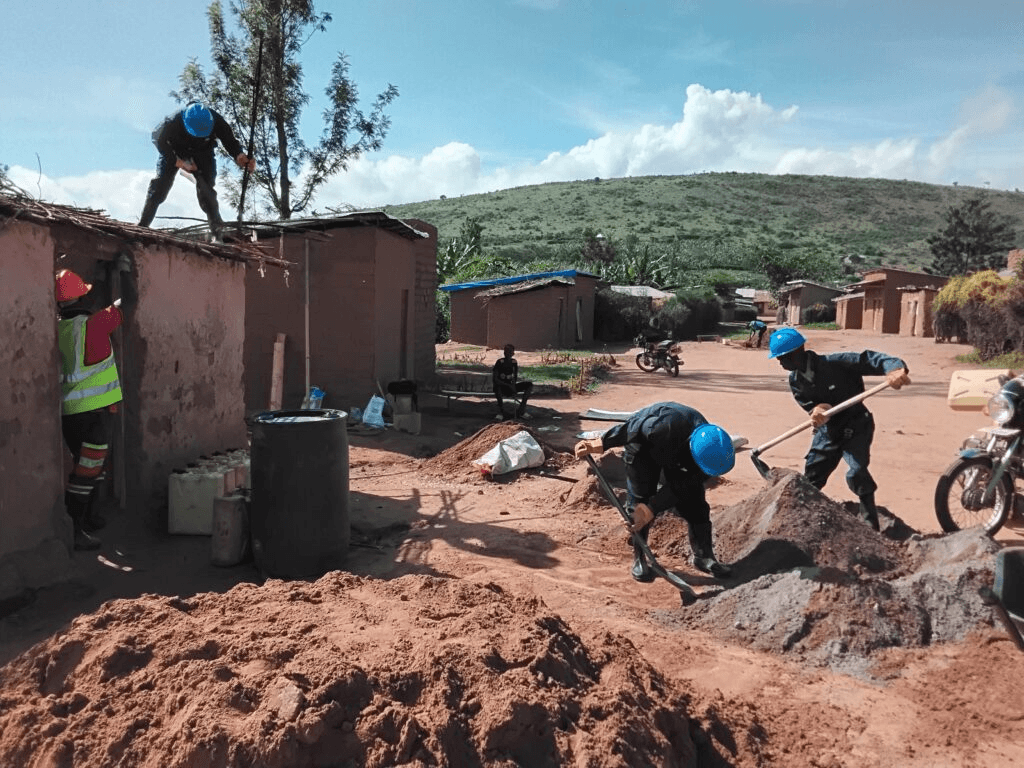
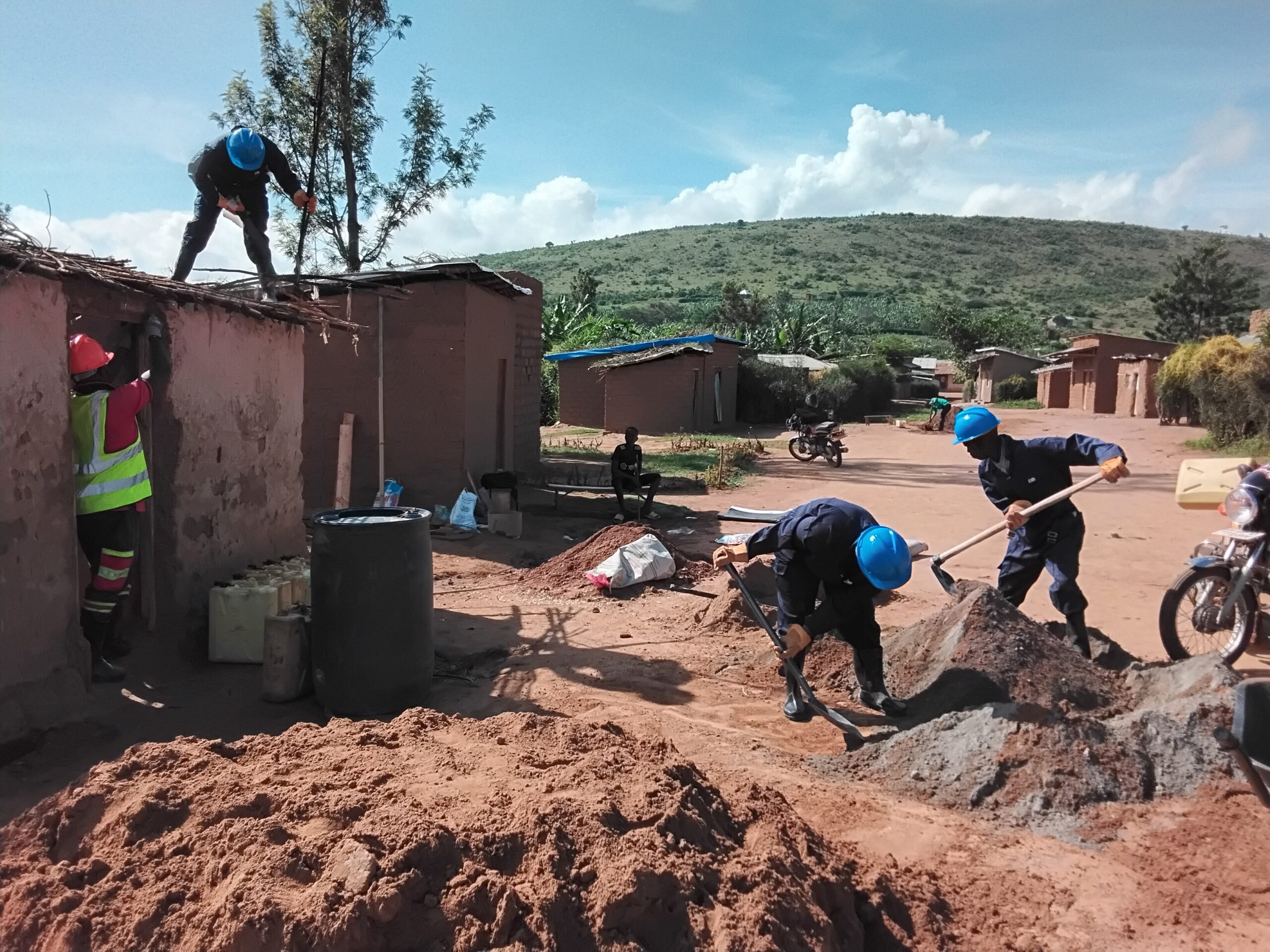
We've trained more than 50 youth in construction and repair—giving them both skills and dignity.
“I was called a builder for the first time in my life. Now I know what I want to be.” — Shelter Repair youth trainee, Juru
Parents are noticing the change too:
“My son is a builder now. He doesn’t just sit home anymore. People call him ‘the boy who fixes houses.’” — Parent, Rubondo Zone
For many, Repair Corps is more than training—it’s a pathway to purpose.
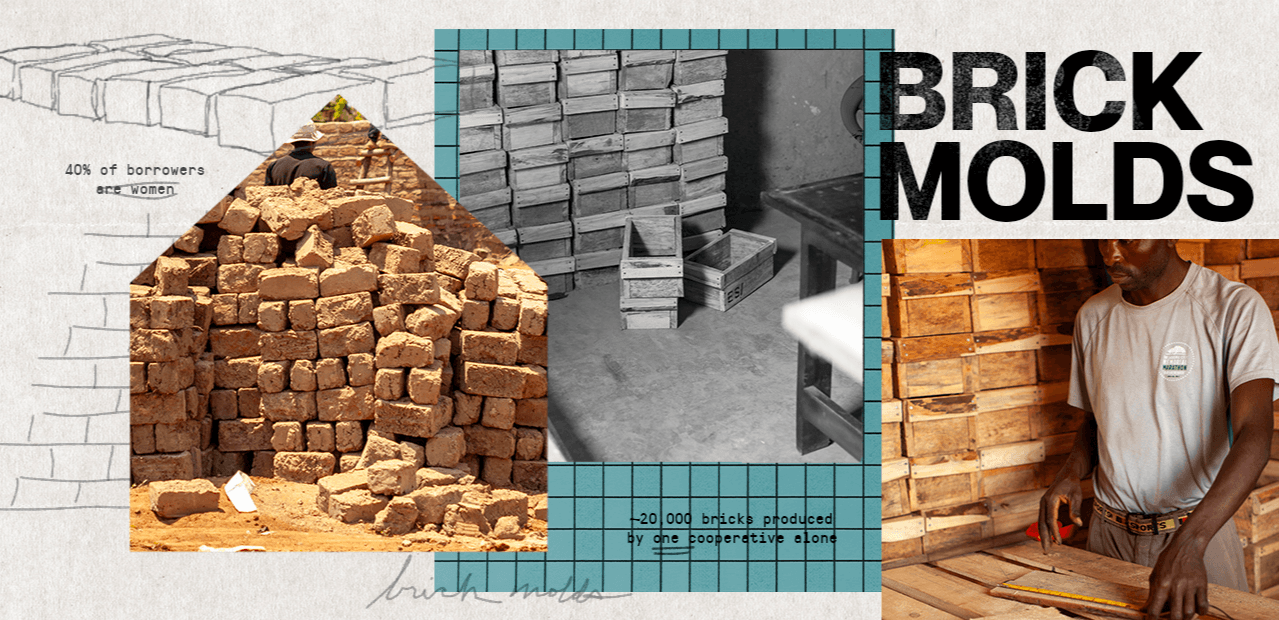
Brick Molds: From Dependence to Dignity
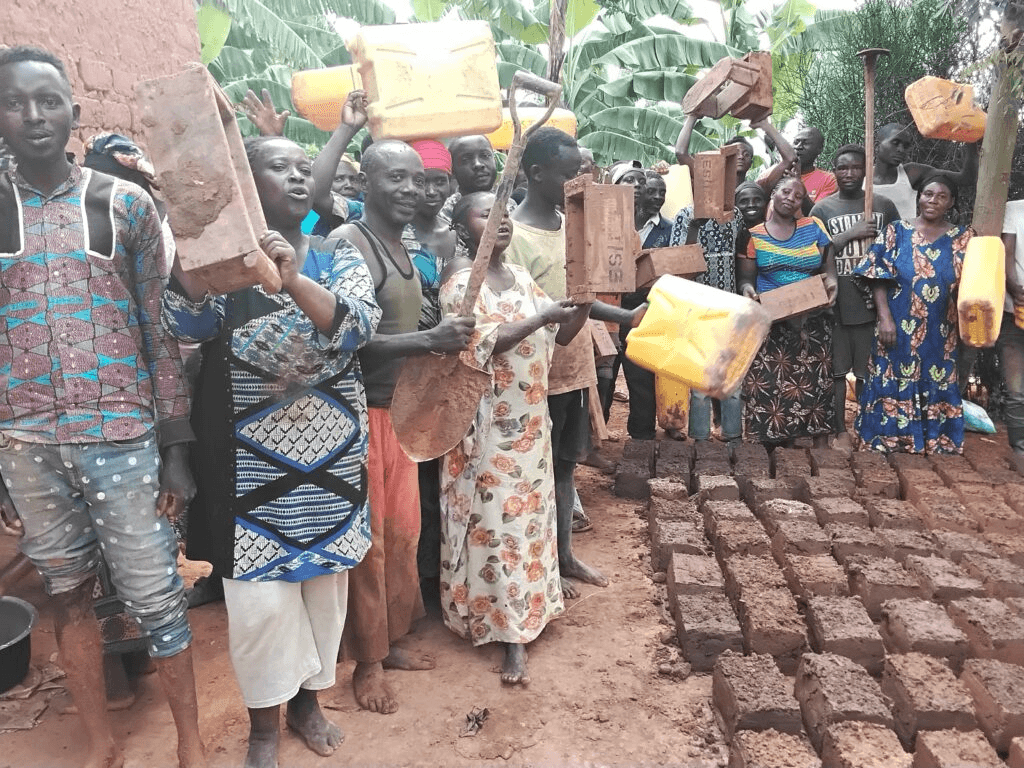
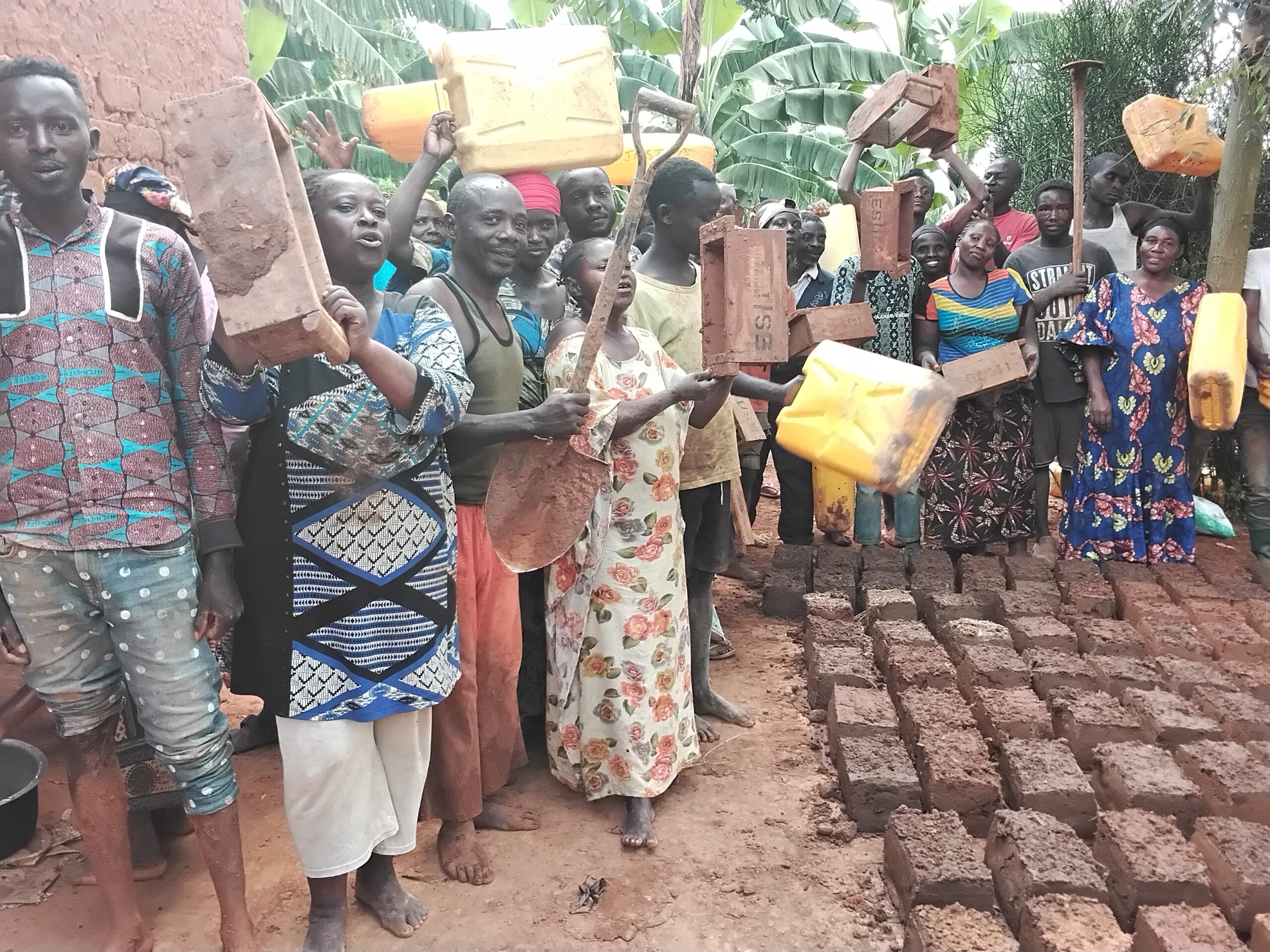
Access to brick molds has given families the ability to build for themselves—without waiting for outside aid.
“We used to wait for NGOs,” shared one group in Juru Zone.
Today, 38% of borrowers are women-headed households. Barriers are breaking, and women are building.
“We used to think that making bricks belonged to men and required too much energy for women. Now, we understand that even women can make bricks and build walls.” — Widow, Juru
Communities are working together, too:
“Now we make bricks. We build for each other. If one neighbor finishes, he lends the mold to the next.” — Mold Borrower, Juru
support Shelter Depot
Every Donation will impact our ability to fund the shelter depot efforts as well as train refugees to build and maintain their homes.
Failed to load.
Please refresh the page.
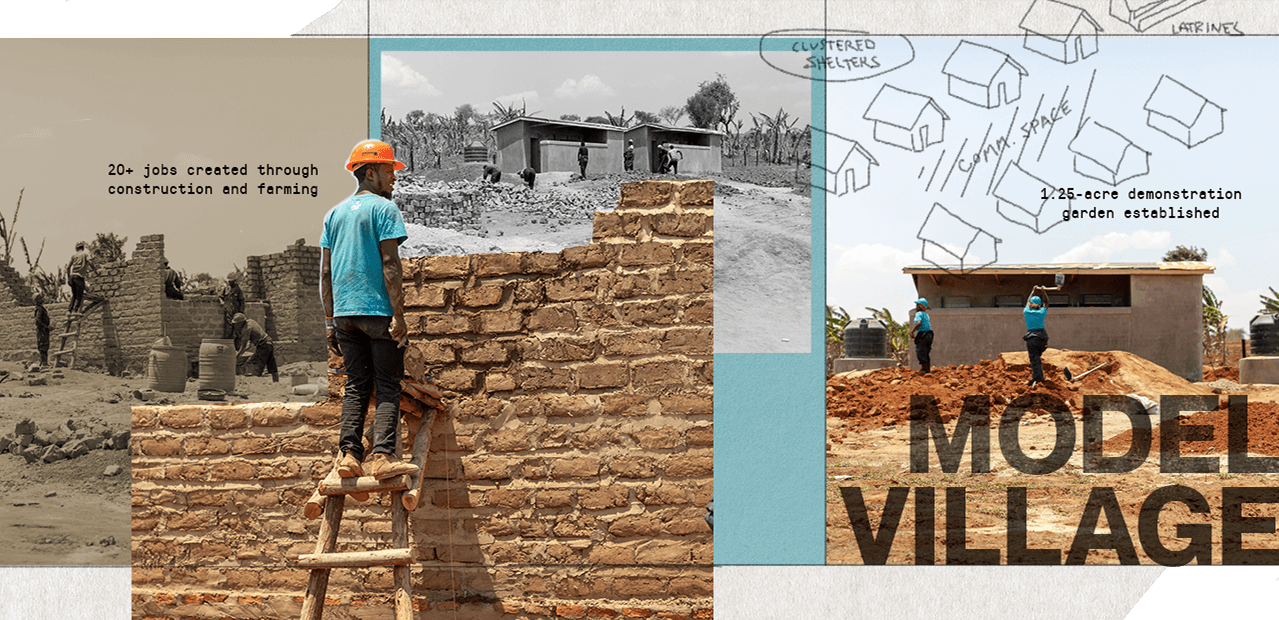
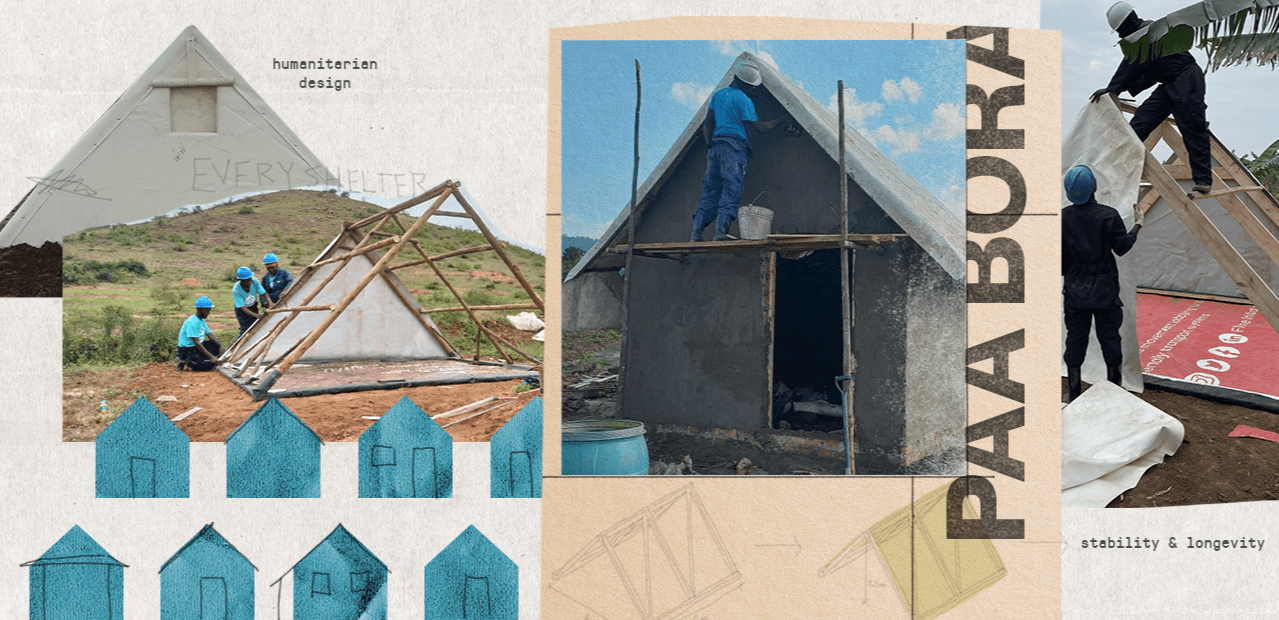
New Arrival Village: Homes that Reflect Hope
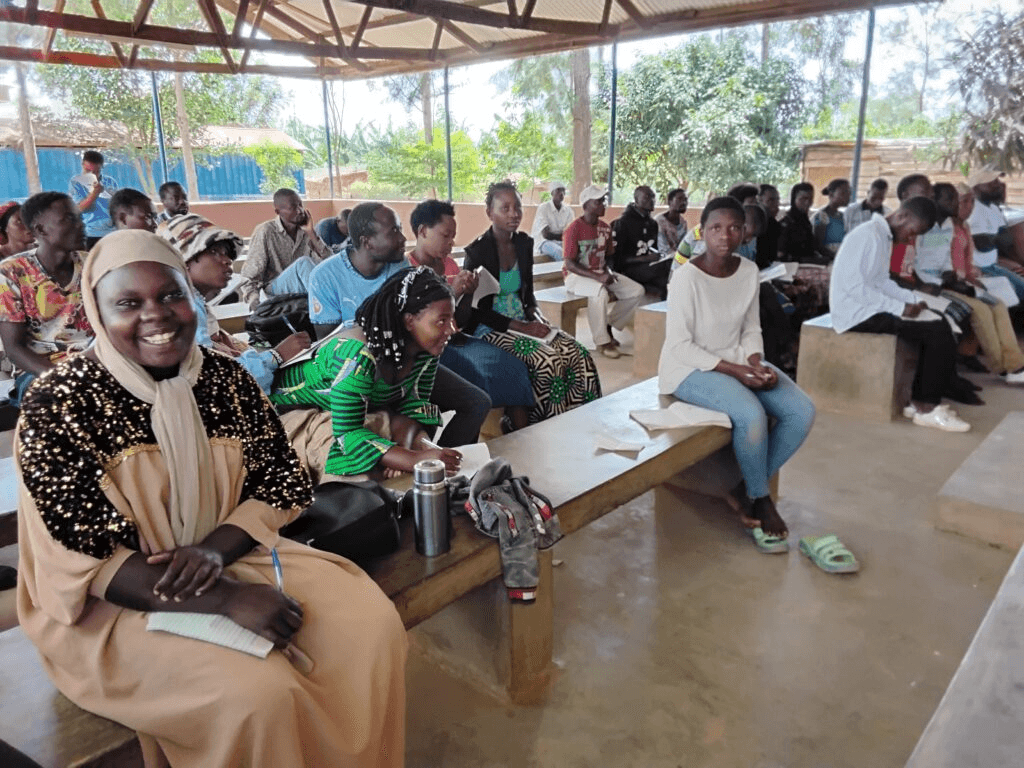
The recent surge in the number of refugees arriving at Nakivale Refugee Settlement has put a significant strain on resources—especially land.
In the past, new families were given a 50 meter by 50 meter plot of land. Today, due to the growing number of arrivals and limited space, the area has been reduced to 30 meters by 50 meters.
Smaller land sizes make it harder for families to grow enough food to support themselves. This proposal advocates for a more intelligent and efficient approach to land management. The goal is to welcome more people while also boosting farming, improving food security, and reducing the need for outside aid.
Families are helping to design their own homes—sometimes for the first time.
“Before this, we never dreamed of choosing how our home looks. This is the first time someone asked us.” — mother of 4, Juru
It’s not just shelter. It’s ownership, agency, and dignity.
“Nobody has ever asked a refugee woman what kind of house she wants. Every Shelter did.” — Female Head of Household, Juru D
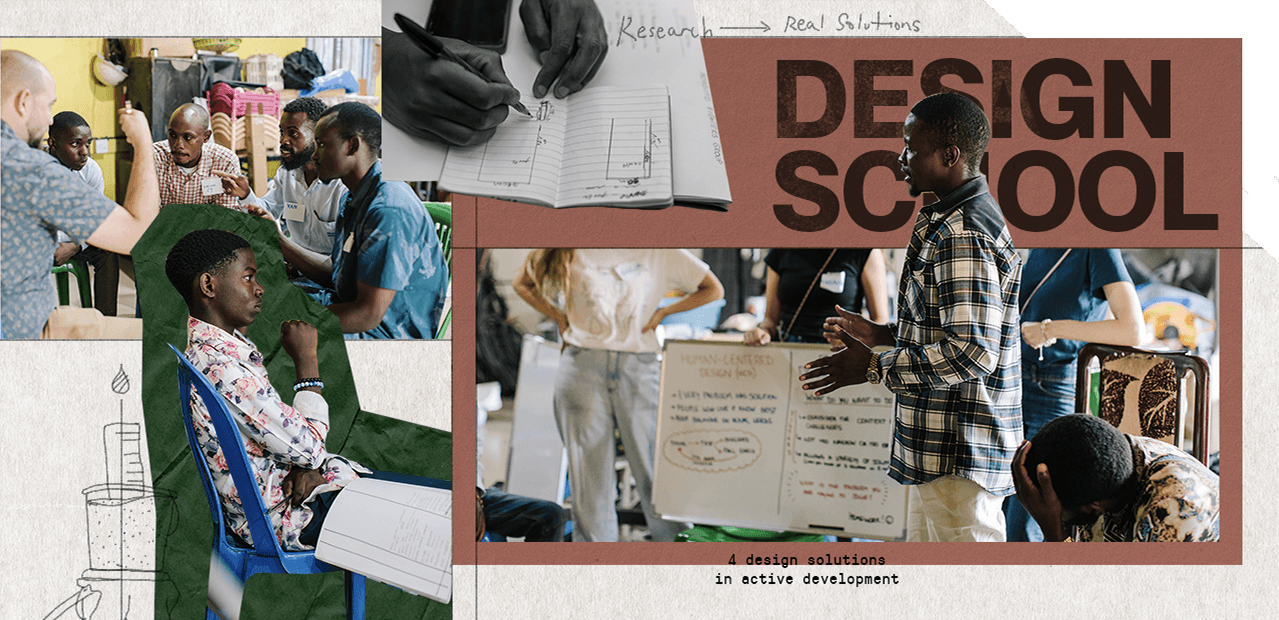
Design School: Refugees as Designers of Their Own Futures
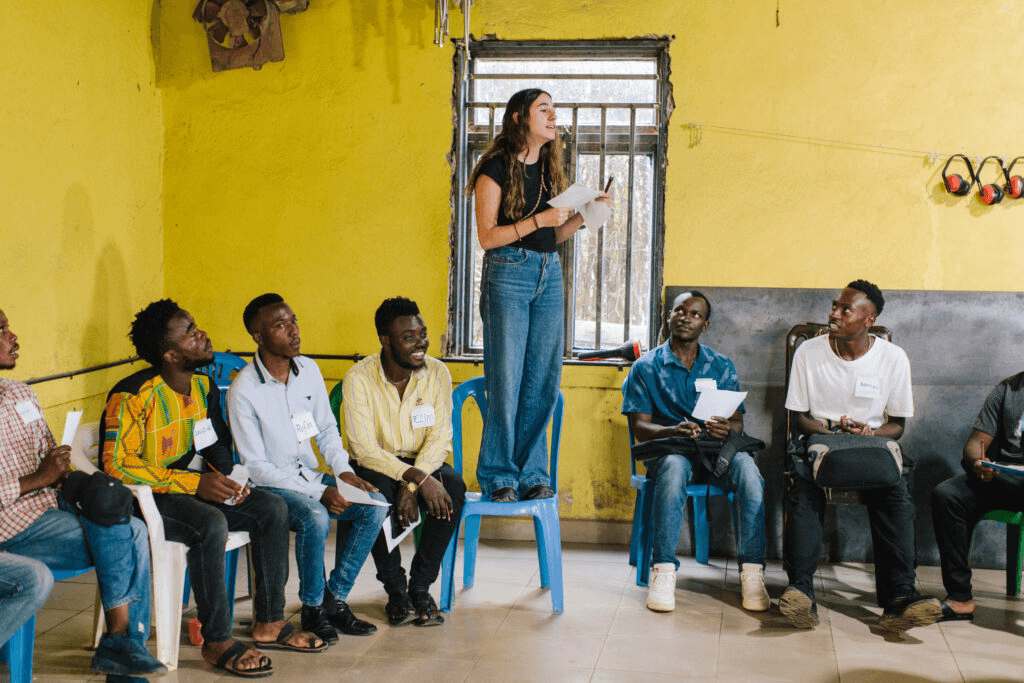
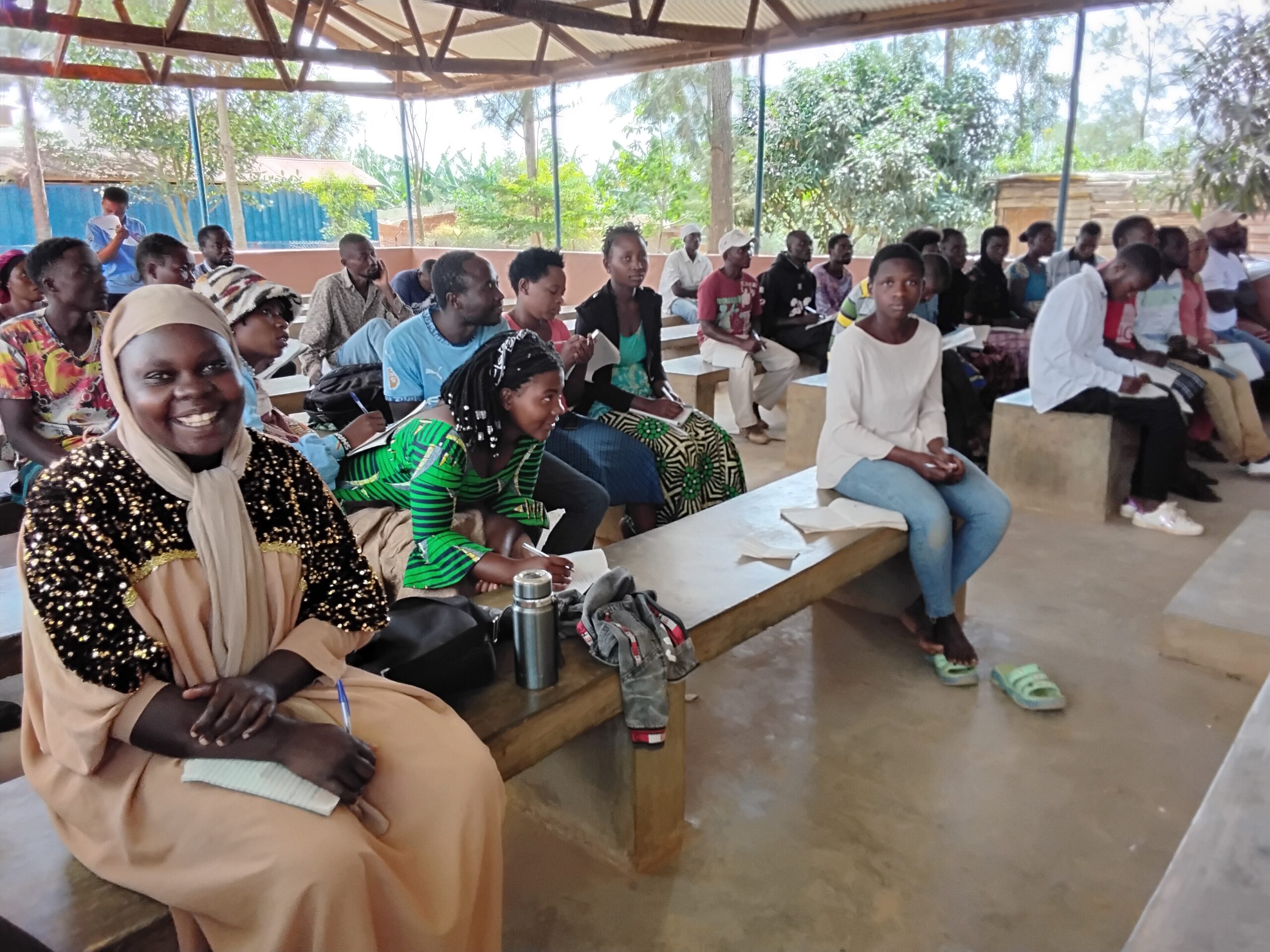
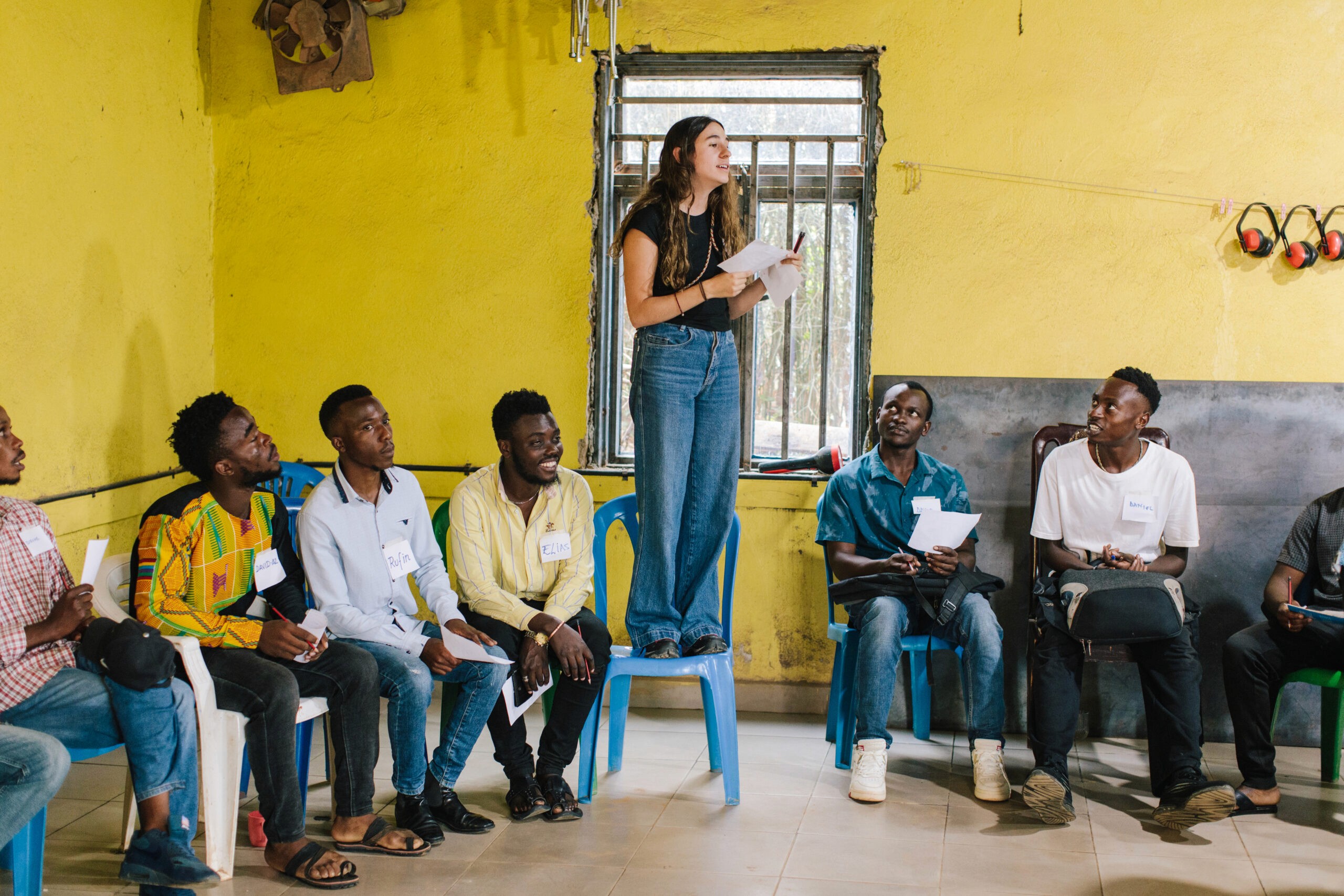
At Design School, Every Shelter flips the traditional aid model on its head. Instead of outside solutions being handed down, refugees are invited to lead the process—identifying problems, testing ideas, and shaping the solutions themselves.
Guided by the principles of Human-Centered Design, participants developed empathy, creativity, and collaboration skills as they designed solutions for their own communities. The result is more than practical innovation—it’s confidence, leadership, and dignity restored.
This year's cohort addressed issues such as gender-based violence, water scarcity, mosquito-borne illnesses, and brick formation.
Design School isn’t about guaranteeing the next big shelter product—though we'd love to see it —but it’s about ensuring refugees have a seat at the table in shaping and testing solutions for their own communities.
Looking Ahead
These stories remind us that refugees already hold the ideas—they only need the tools and training to bring them to life. From skylights to brick molds to entire villages, we are proving what’s possible when design, innovation, and community come together, fueled by the generosity of donors like you.