Build
Shelter Repair
Where
Nakivale, Uganda
Impact Numbers
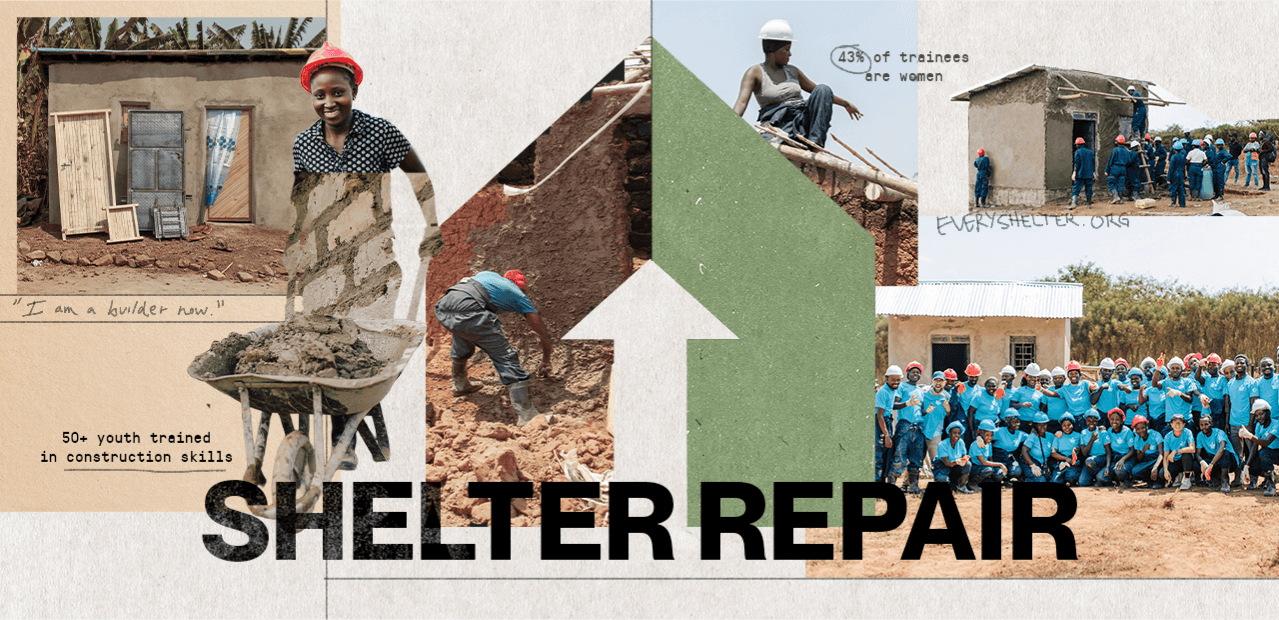
32 homes repaired or structurally improved
50+ youth trained in construction skills
43% of trainees are women
80% of repairs rated "good" or "excellent"
Published on
Summary
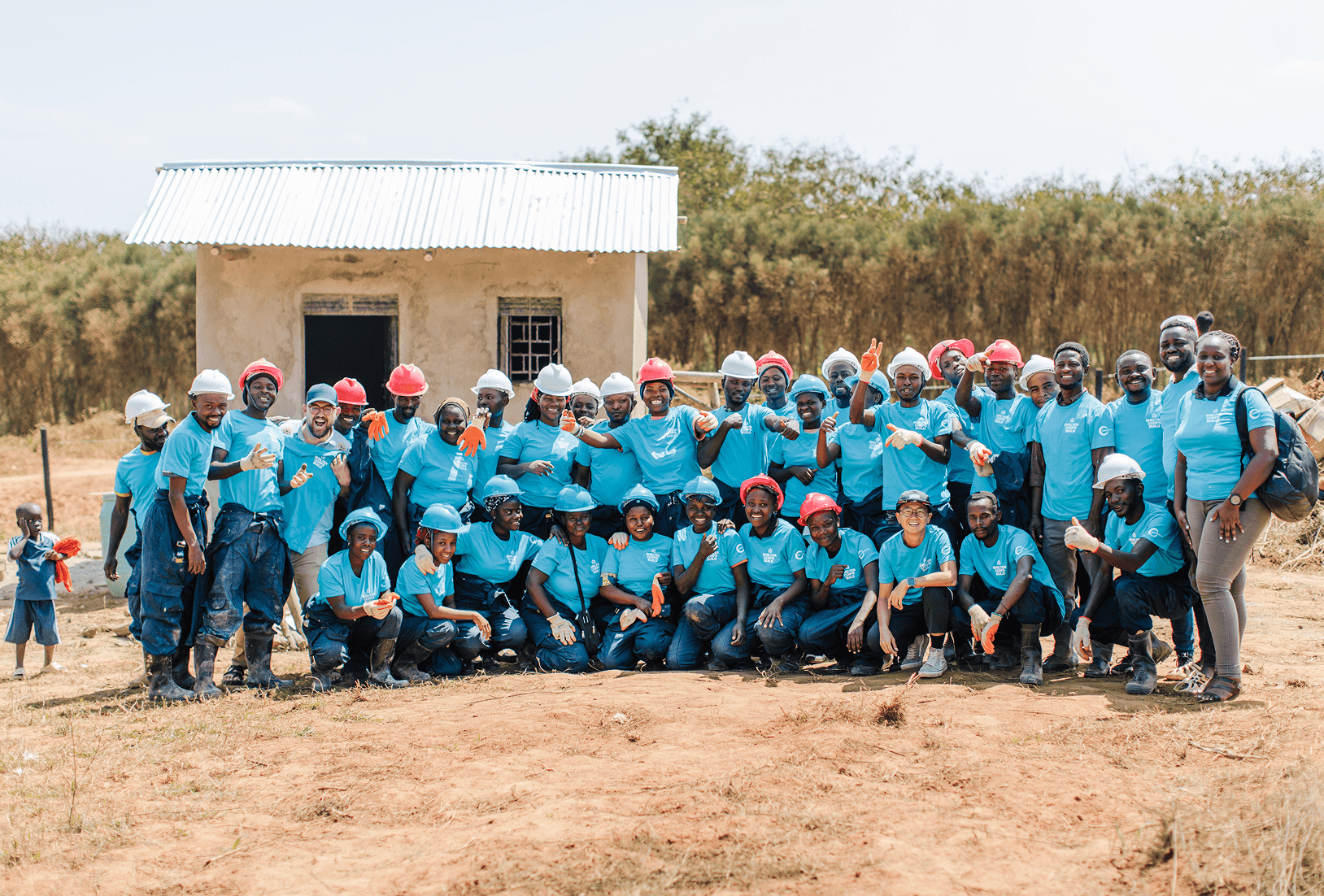
Shelter Repair Corps trains refugees in hands-on construction skills through real repair projects, creating a workforce that addresses the settlement's most widespread infrastructure problem while opening a pathway to employment. In 2025, 43% of trainees were women, and the program introduced a cost-sharing model that positions graduates as independent builders in the local market.
The Challenge
In Nakivale, many refugee families live in shelters that require constant repair due to limited materials, environmental exposure, and construction constraints.
According to Every Shelter’s 2023 assessment:
64% of households experience structural shelter issues, including leaking roofs, damaged floors, weak doors, termite infestation, and cracked walls.
Participants consistently reported dissatisfaction with their homes, citing leaking roofs, mud floors, lack of windows, and poor security.
Poor shelter conditions impact not only physical safety, but also mental health, dignity, and overall well-being.
At the same time, many refugees express a strong desire to learn construction skills and improve their own living conditions, creating a powerful opportunity to address both shelter needs and livelihoods together.
What is shelter repair?
Shelter is not static, it deteriorates, adapts, and evolves over time.
Most shelter assistance focuses on new construction, leaving a gap for families who:
Prefer to remain in their current homes
Need incremental upgrades rather than full replacement
Lack access to skills, tools, or resources for safe repairs
Shelter Repair addresses this reality by investing in repair, maintenance, and capacity building, thereby extending the life of shelters and reducing the need for repeated emergency interventions.
support every shelter
Every Donation will impact our ability to fund day one shelter and train refugees to build and maintain their homes.
Failed to load.
Please refresh the page.
How It Works
Shelter Repair integrates training, repair, and livelihoods into a single program.
Training & Capacity Building
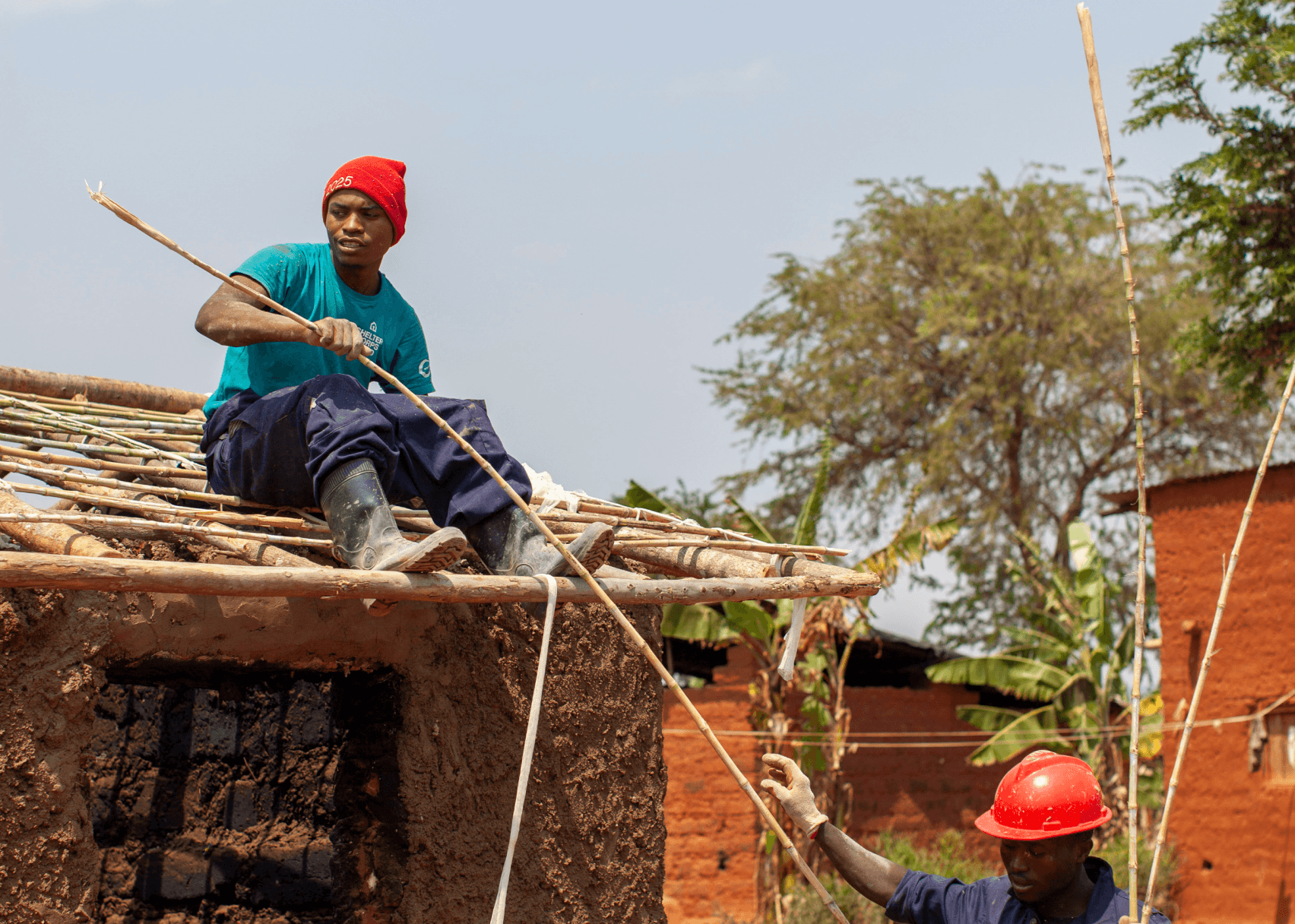
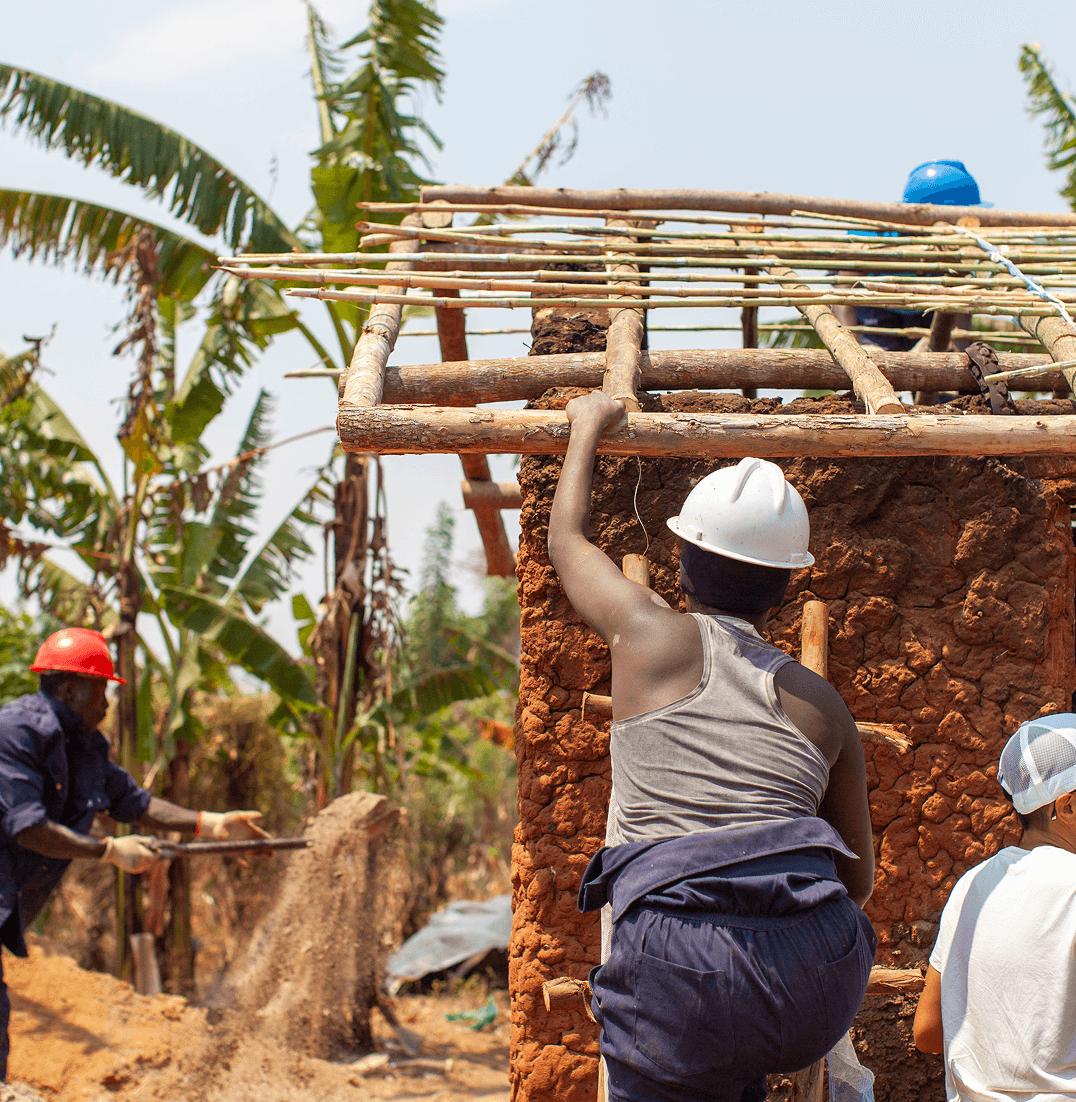
Refugees receive hands-on training in shelter repair techniques, safety, and quality standards through real-world repair projects conducted in the community. Training is delivered in partnership with Wakati Foundation, a refugee-led organization that provides technical guidance in building techniques. A Wakati technician is consistently present during both training and repair work, ensuring quality control, practical learning, and the transfer of local construction knowledge. This approach reinforces peer learning, strengthens local expertise, and embeds skills within the community beyond the duration of the program.
Shelter Repairs & Upgrades
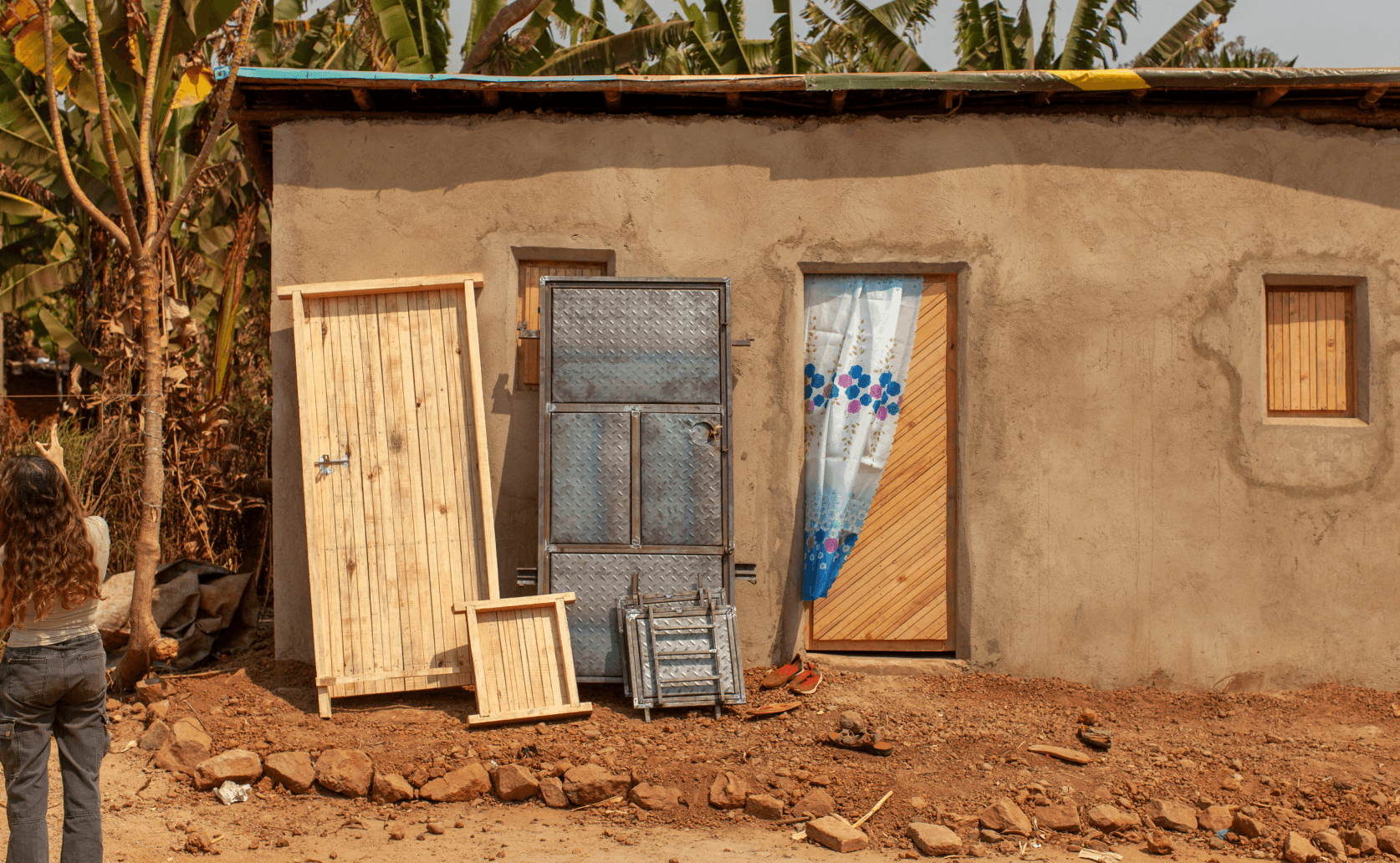
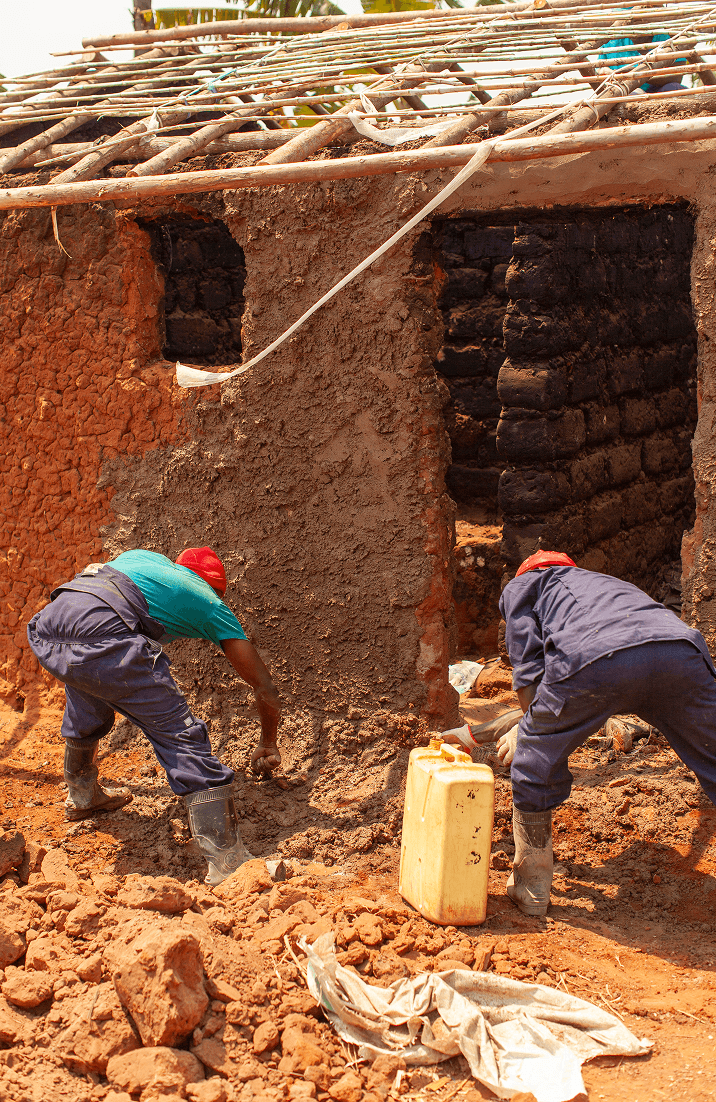
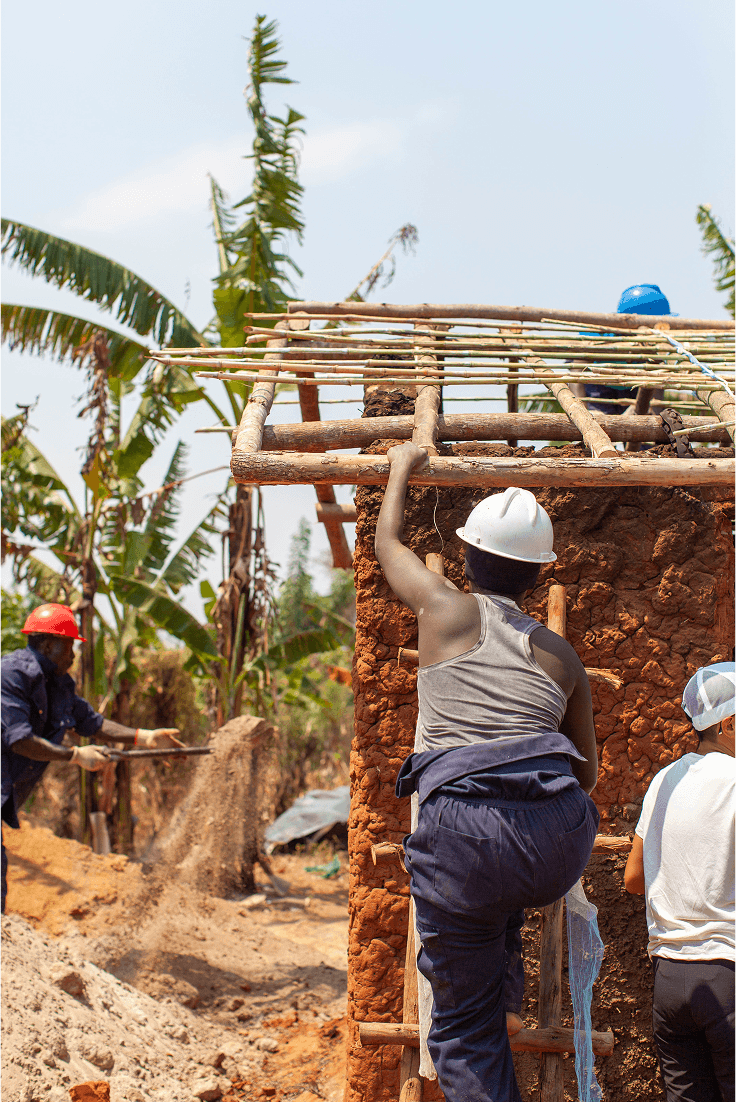
Repairs are prioritized through household-level assessments that evaluate structural safety, weather exposure, durability, and everyday comfort. Based on these assessments, Shelter Corps carries out targeted upgrades that address the most critical risks first while improving overall living conditions. Typical repairs include roof re-cladding and reinforcement to reduce leaks and weather damage, minor framing and structural fixes to improve stability, door and window improvements to increase security, ventilation, and basic cosmetic upgrades that enhance comfort and dignity inside the home.
Income & Livelihood Pathways
Shelter Repair Corps are compensated for their work, allowing participants to earn income while gaining hands-on experience and building technical credibility. As the program matures, Shelter Repair Corps transitions toward a cost-sharing, fee-for-service model, in which households contribute to labor costs. This approach directly integrates Shelter Repair Corps trainees into the local repair market, strengthens accountability and quality, and creates more sustainable, long-term income opportunities beyond the life of the project.
Job Linkage & Market Integration
In the first quarter of 2026 we aim to evolve Shelter Repair from a training and cash-for-work program into a sustainable job linkage initiative. Building on the cost-sharing model introduced before, this phase introduces structural changes that empower both homeowners and Shelter Corps members to operate within a functioning local repair market.
Under this model, Every Shelter continues to support material costs, contributing up to UGX 1,500,000 per repair, to ensure baseline quality standards while maintaining flexibility in repair scope. In the first quarter of 2026, the program will target 10 households across five Shelter Corps teams.
Shelter Corps members will no longer be paid by Every Shelter for their labor. Instead, they will operate as independent contractors, directly negotiating labor costs with homeowners. This shift provides real-world experience in client relations, budgeting, pricing, and project management, while formalizing Shelter Corps as local service providers.
Homeowners retain full autonomy over their repair decisions, allowing them to prioritize upgrades such as roof replacement, exterior plastering, or the construction of additional household spaces based on their needs and financial capacity. This restores agency over housing decisions while strengthening accountability on both sides.
To support this transition this new phase is integrated with the Graduate Support Program, enabling Shelter Corps members to borrow or rent tools through partner hardware suppliers. This reduces start-up costs and lowers barriers to entry into the local construction market. All repairs continue to follow Shelter Repair Technical Standards, ensuring quality, safety, and consistency.
By shifting financial flows directly into the community, we aim to strengthen local economies, create formal employment pathways for program graduates, and reinforce refugees’ autonomy in shaping and maintaining their homes.
Read More every shelter stories
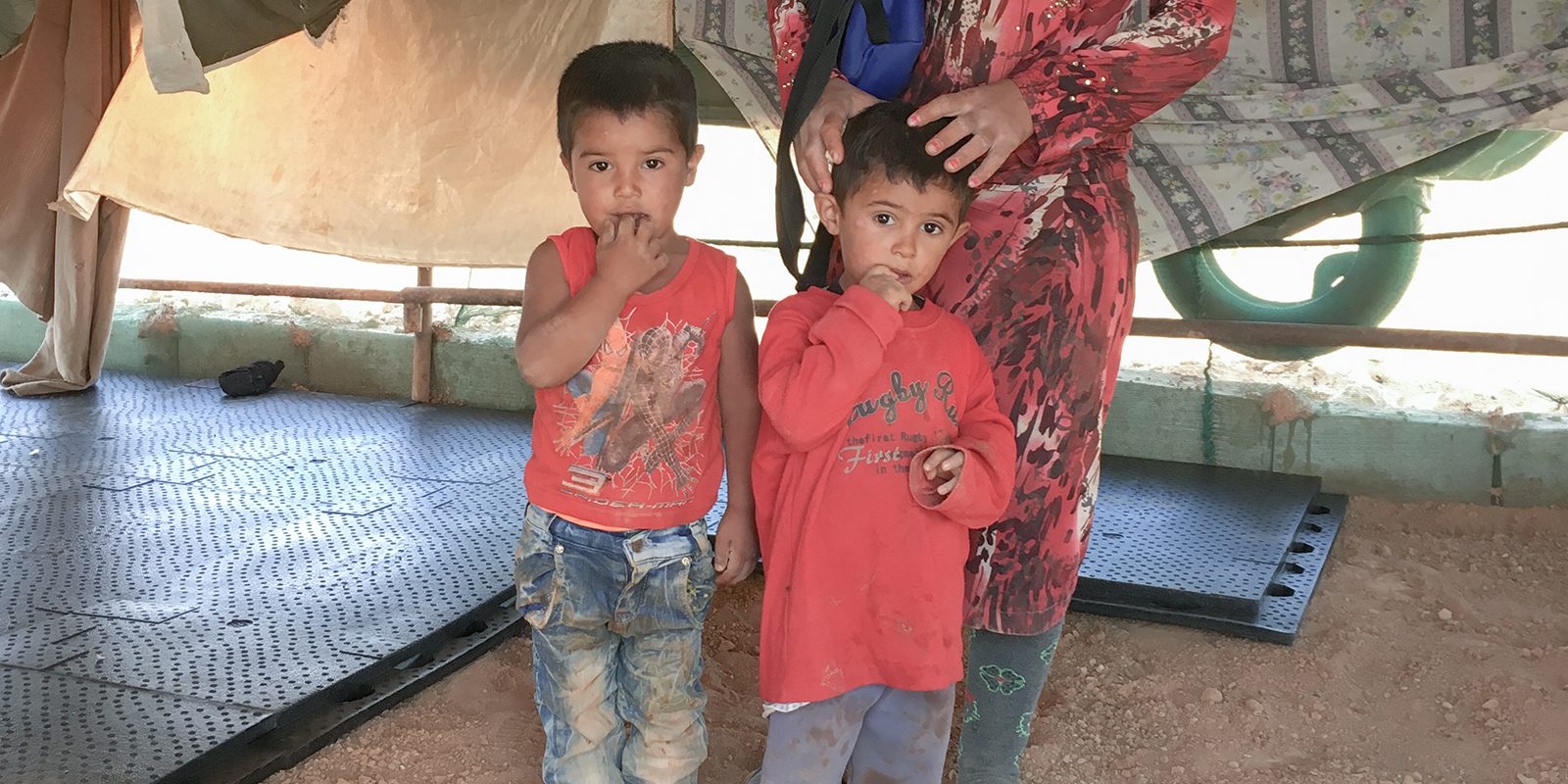
Emergency Floor Lebanon
Rohingya Response: Privacy and Protection
Prioritizing Refugee Success is the Key to Rebuilding in Post-Conflict Settings
What Difference Can a Floor Make?
Rohingya Response Part 2
Bringing Warmth: How a Floor Can Change a Home
Refugees and Displaced People: The Numbers
What is "Adequate Shelter?"
Co-Creation Methodologies: Redefining Development
Summer 2019 Co-Creation Internship