Design
Design School
Cultivating agency. Designing solutions from within.
Where
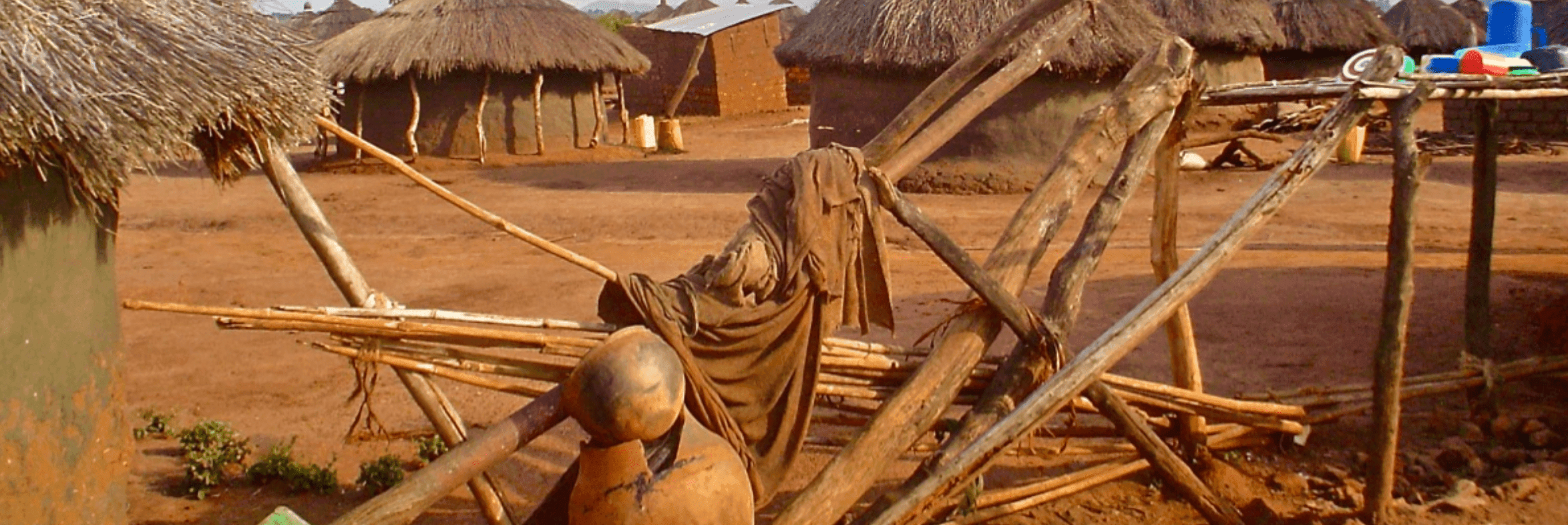
Nakivale, Uganda
Impact Numbers
17 students graduated
4 design solutions in active development
Published on
Summary
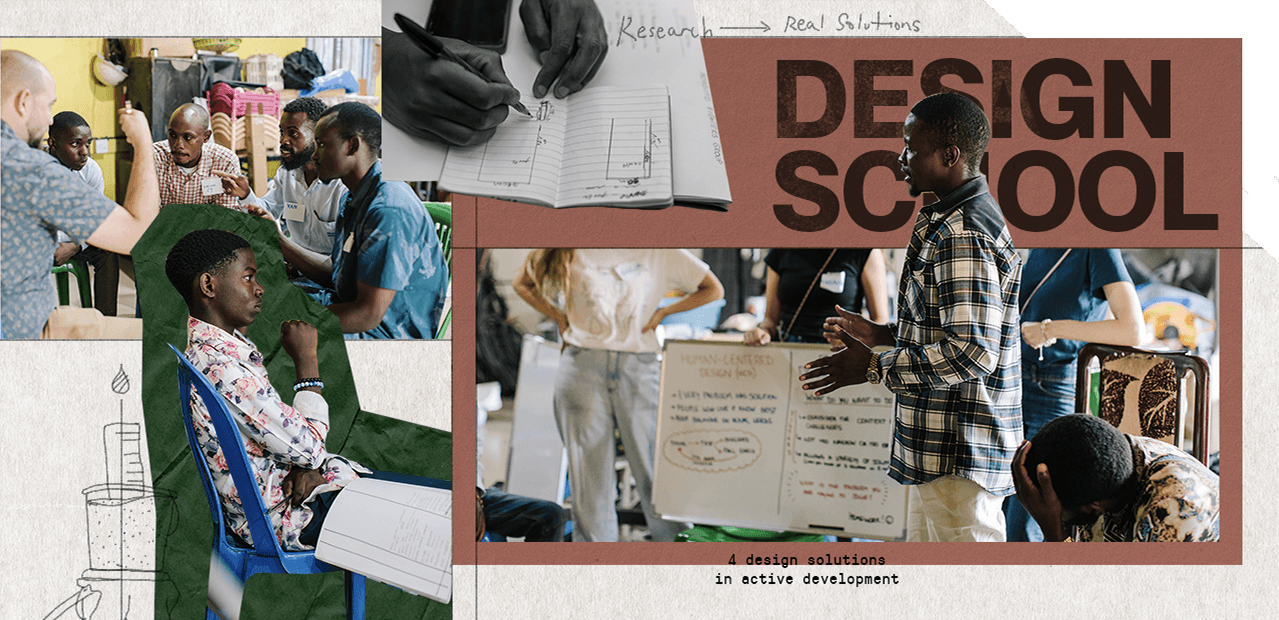
A nine-week program where young refugees learn human-centered design and build working prototypes that address real challenges in the settlement — from reinforced bricks to water filtration to GBV prevention tools. Four projects from the first cohort have moved into Every Shelter's Design Lab for continued development, and one team launched a small business.
The Challenge
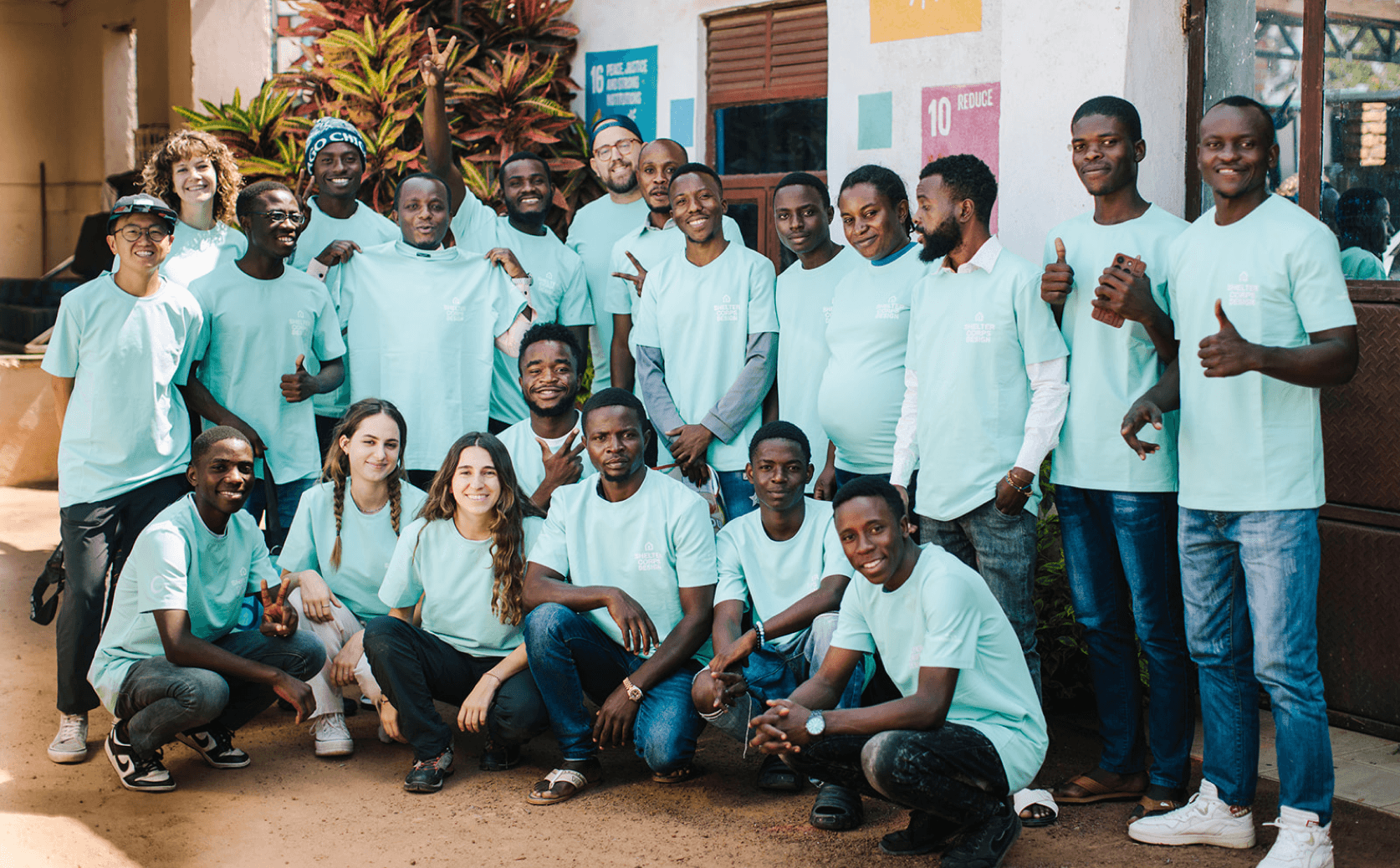
Design School was created to transform humanitarian response by empowering refugees to design solutions for their own communities. Instead of top-down aid, the program centers human-centered, localized, and sustainable design, grounded in real needs, lived experience, and local knowledge.
Developed in partnership with Opportunigee and the Wakati Foundation, Design School brings together young refugees and design specialists to co-create practical innovations that improve daily life in Nakivale.
Our Approach/How it Works
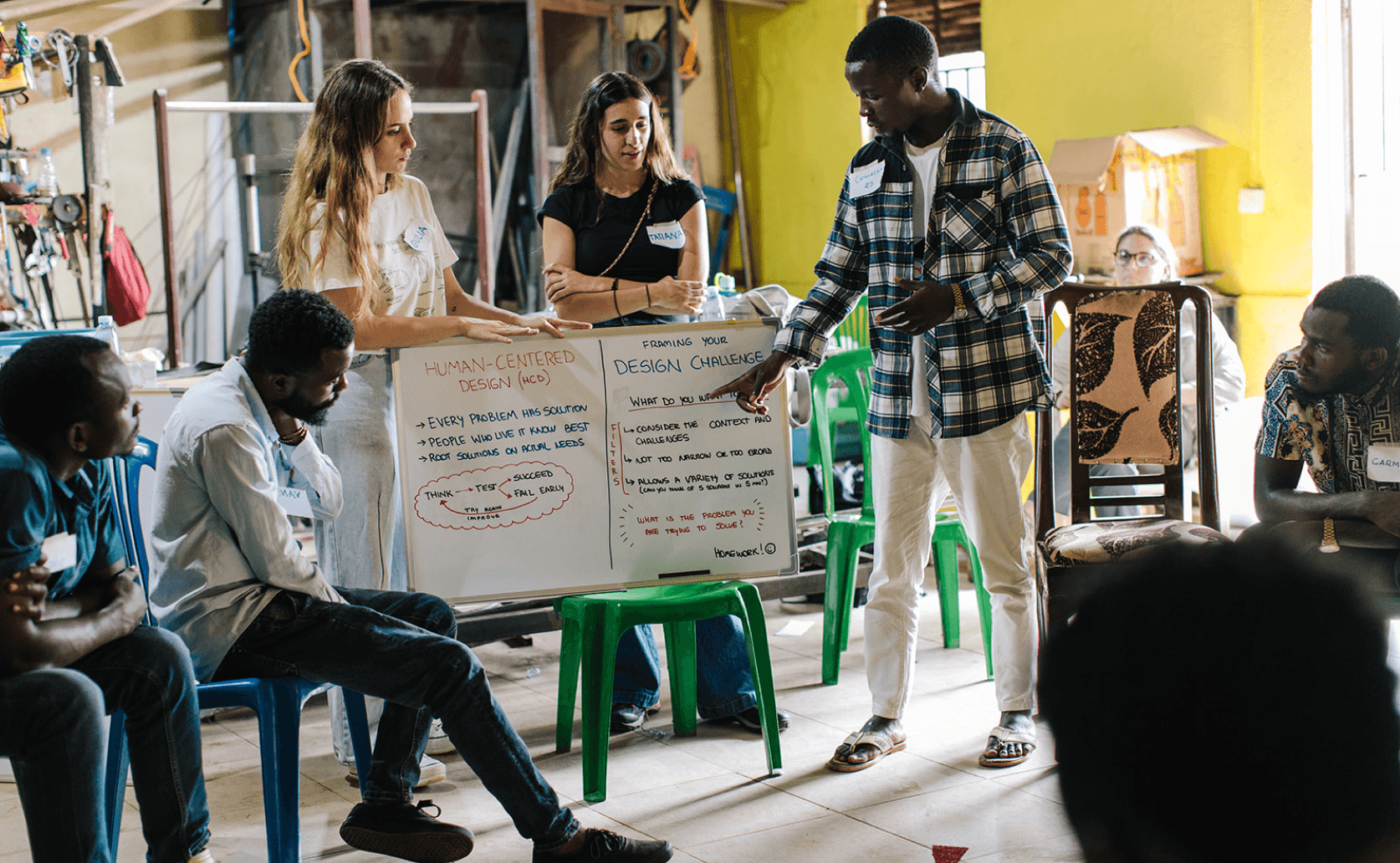
Design School intersects with the three focuses of Every Shelter — design, build, and supply — training participants not just to imagine solutions but to prototype, test, and refine them in their own context.
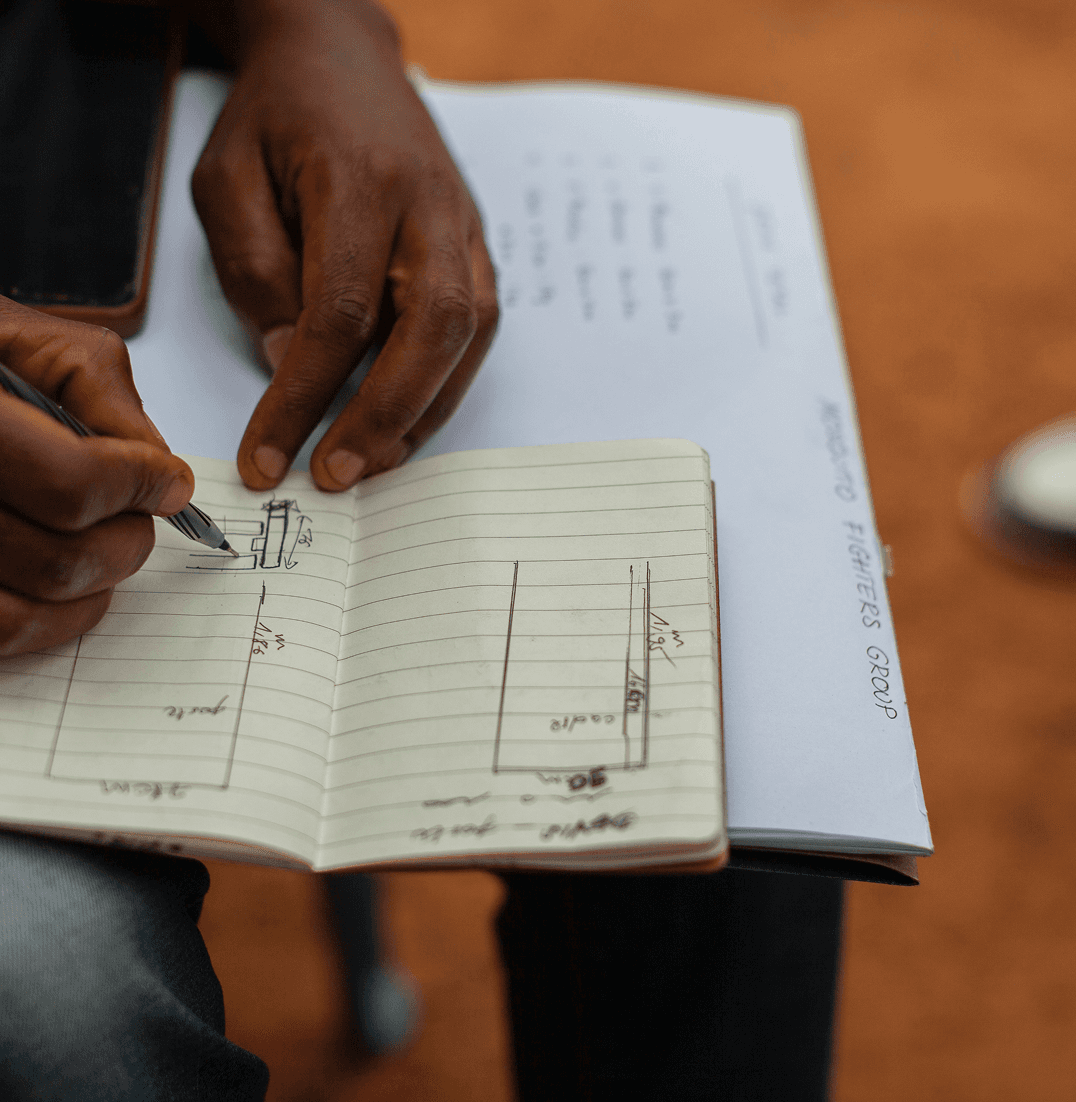
During this first implementation of the project, our classes met three times a week within the period of 9 weeks, when students were guided to move from learning Human-Centered Design fundamentals to forming interest-based groups, conducting community research, and developing solutions that are:
Desirable — rooted in real community needs
Feasible — affordable and buildable with locally available materials
Viable — maintainable and capable of supporting long-term impact
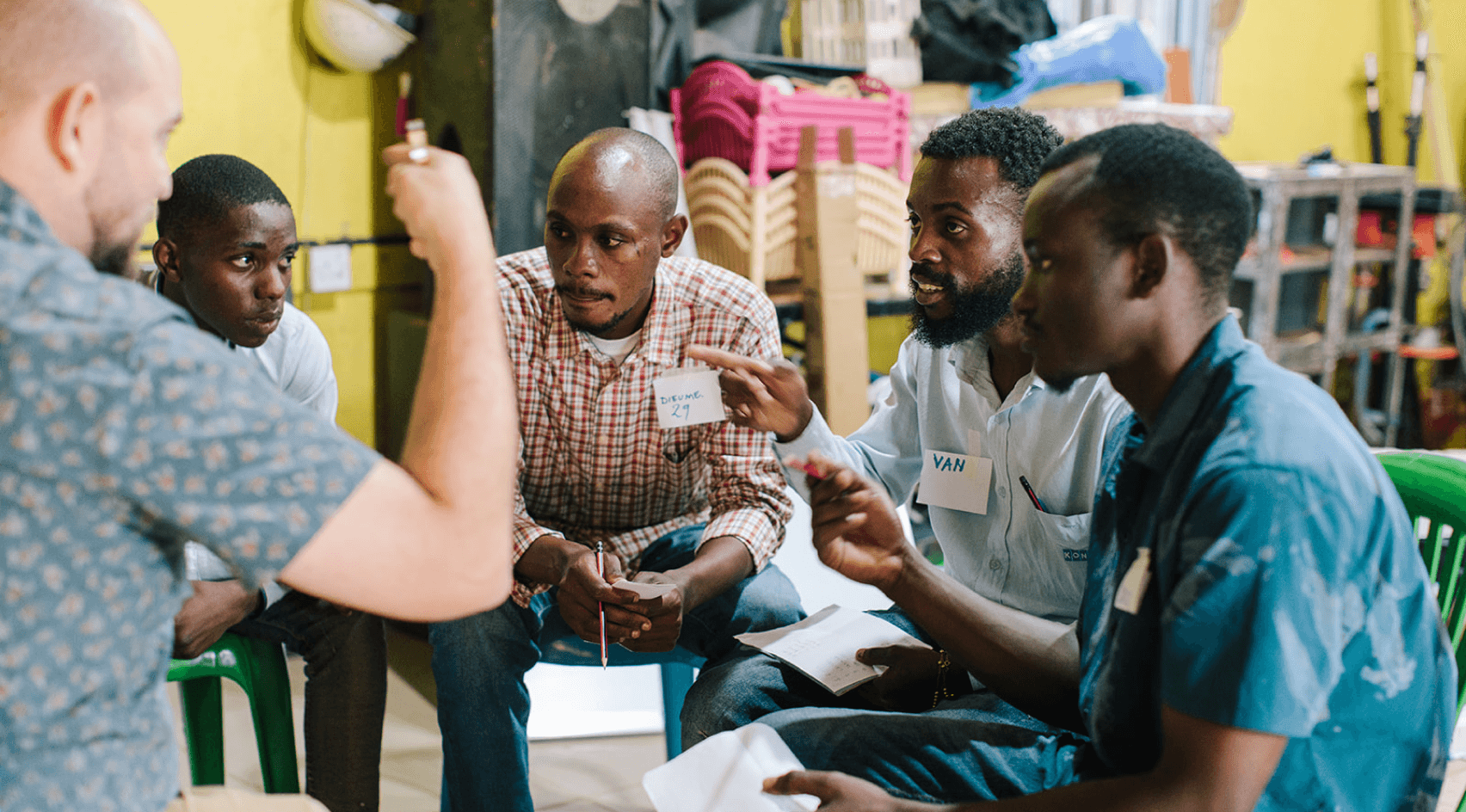
In Design School, the line between “student” and “teacher” disappears. Learning becomes collaboration.
support every shelter
Every Donation will impact our ability to fund day one shelter and train refugees to build and maintain their homes.
Failed to load.
Please refresh the page.
From Research to Real Solutions
Through interviews, observation, and hands-on experimentation, Design School students identified some of Nakivale’s most urgent challenges and designed locally driven responses, including:
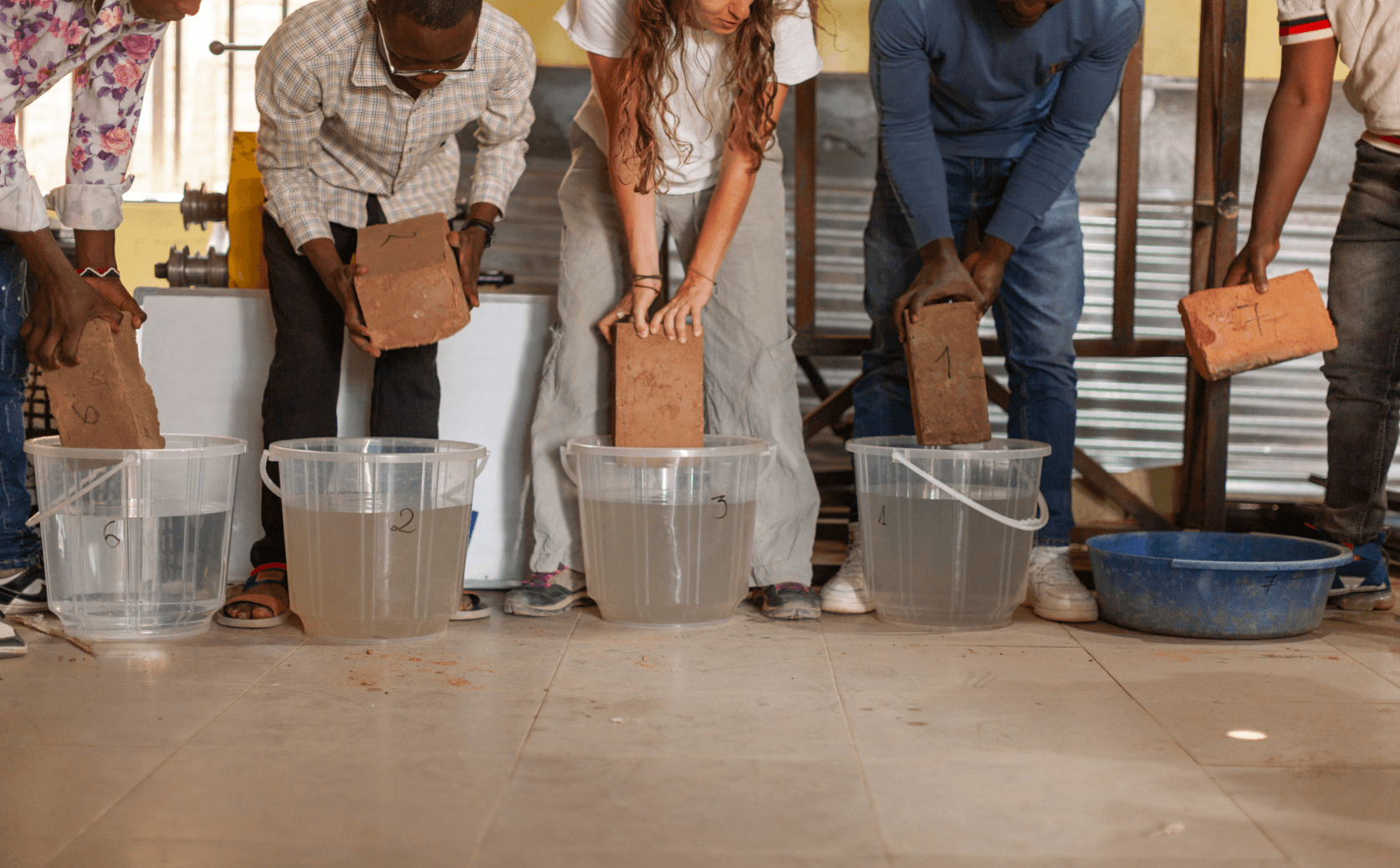
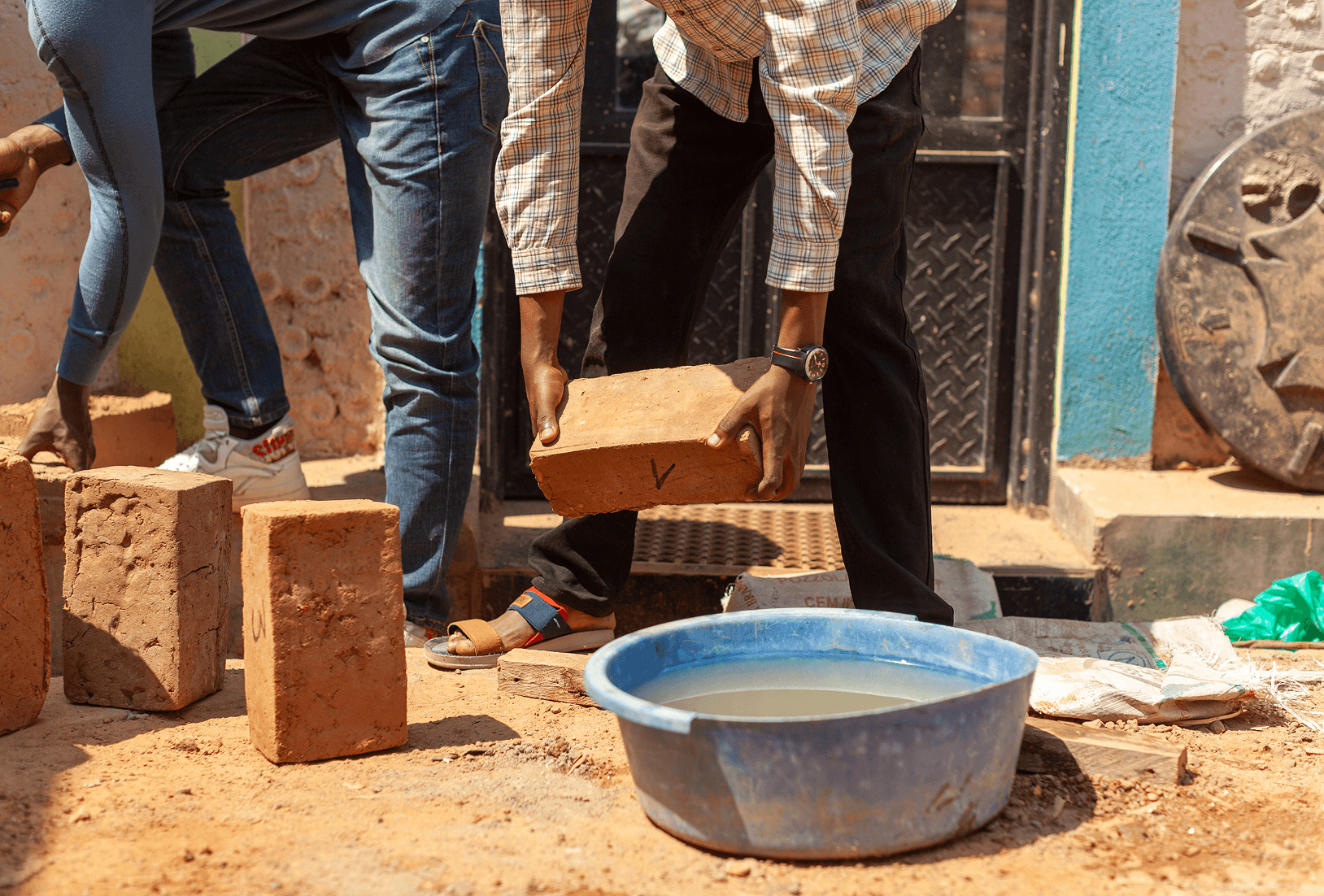
Stronger mud bricks, reinforced with cow dung to improve durability and water resistance
Home-based gender based violence alert tools, designed to prevent violence and raise awareness
Low-cost mosquito-proofing systems, protecting households with minimal materials
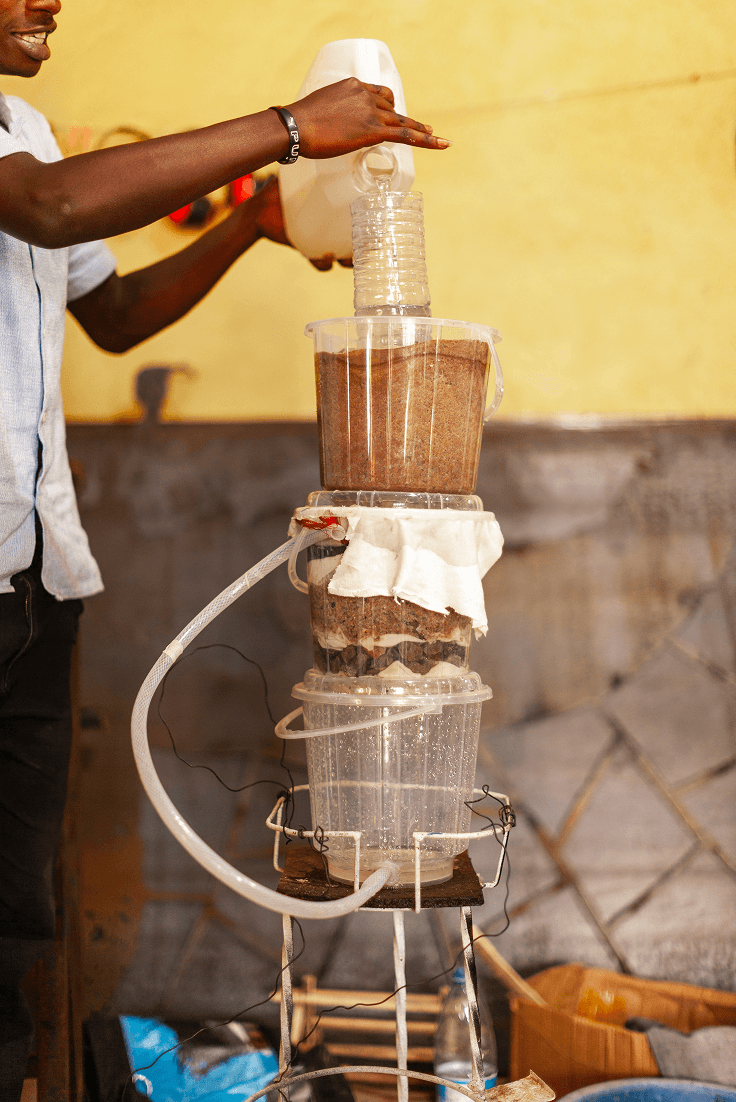
Locally made water filters, improving access to safe drinking water
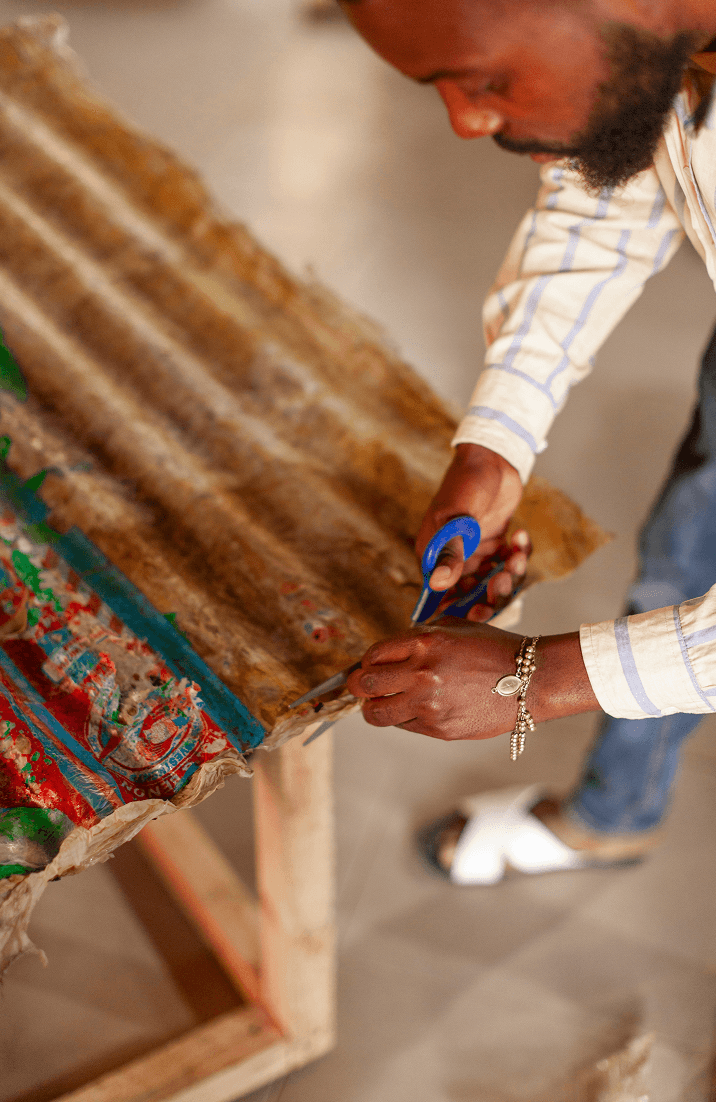
Plastic roof patches, transforming waste into affordable roof repair solutions
Each project emerged from proximity to the problem and from the creativity of those living it.
Beyond the Classroom
Design School as an incubator for creative solutions does not end on the last day of the course. Many solutions continued into further exploration with our support and guidance, aiming for a successful implementation, leading to small businesses, or the integration with Every Shelter’s other programs. This way, we hope to help our Design School participants create pathways for livelihoods, leadership, and long-term community resilience. Because, as we know, the best solutions are often developed by those closest to the problem, and Design School exists to make that possible.
Read More every shelter stories
Emergency Floor Lebanon
Rohingya Response: Privacy and Protection
Prioritizing Refugee Success is the Key to Rebuilding in Post-Conflict Settings
What Difference Can a Floor Make?
Rohingya Response Part 2
Bringing Warmth: How a Floor Can Change a Home
Refugees and Displaced People: The Numbers
What is "Adequate Shelter?"
Co-Creation Methodologies: Redefining Development
Summer 2019 Co-Creation Internship