Supply
Brick Mold Lending
Where
Nakivale, Uganda
Impact Numbers
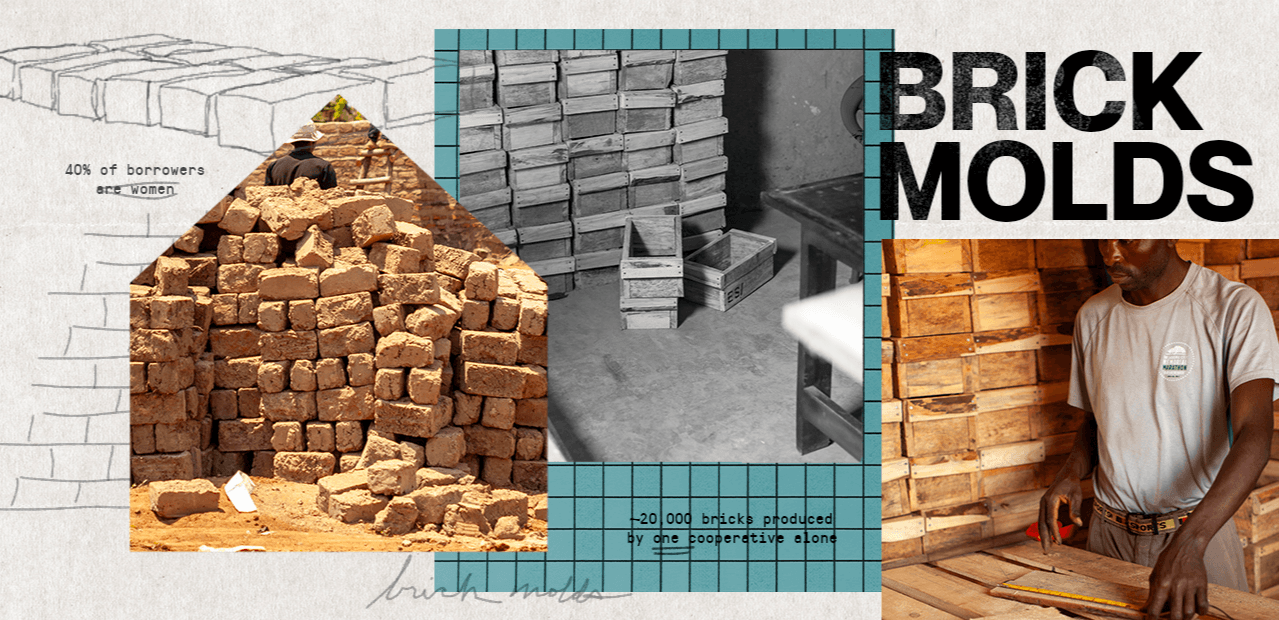
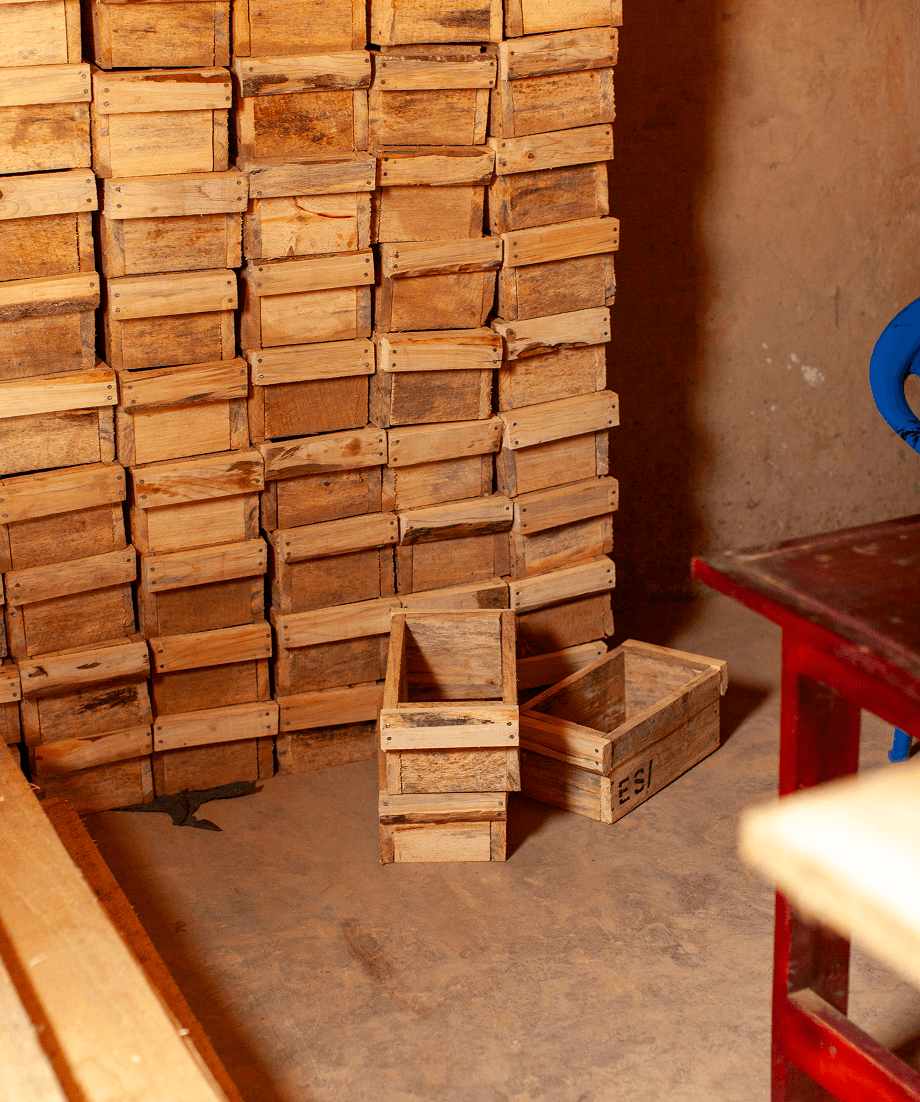
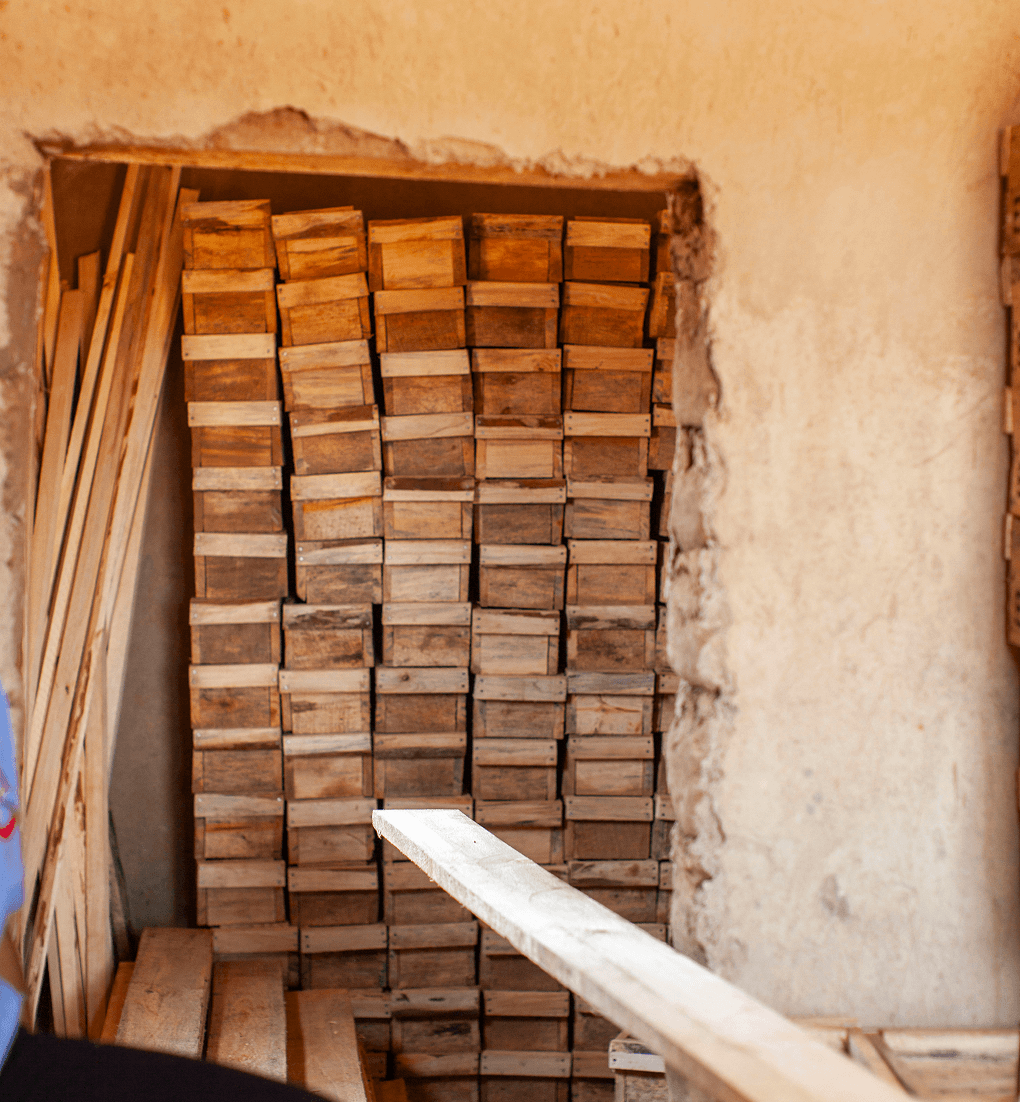
2,000 brick molds produced
1,800+ molds lent to families and community groups
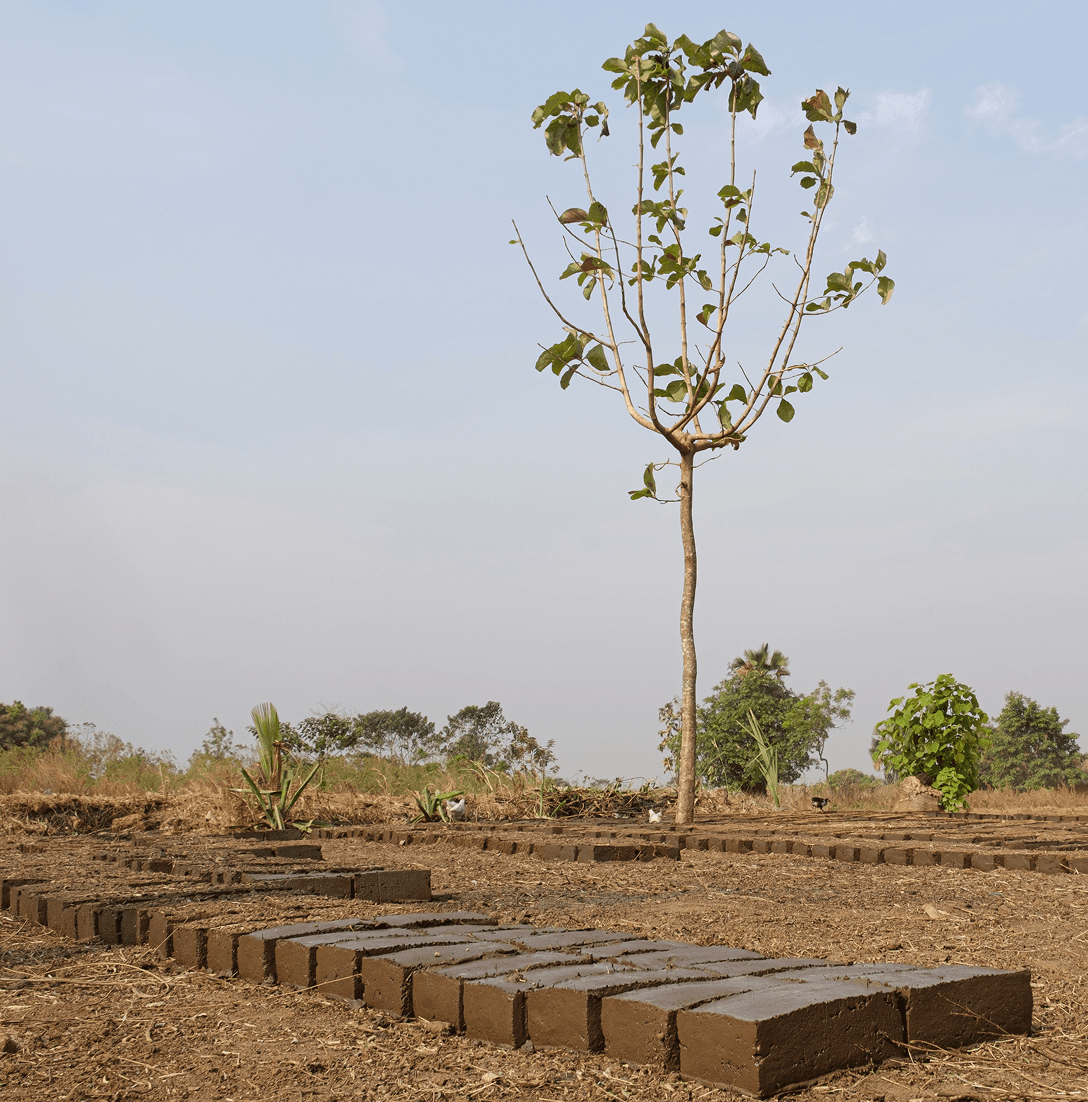
~20,000 bricks produced by one cooperative alone
40% of borrowers are women
Published on
Summary
Removes the single biggest financial barrier to permanent housing by lending brick molds to families free of charge through a simple borrow-and-return system. Community groups began self-organizing into cooperatives — one group alone produced 20,000 bricks — and some borrowers started small brick-selling businesses.
The Challenge
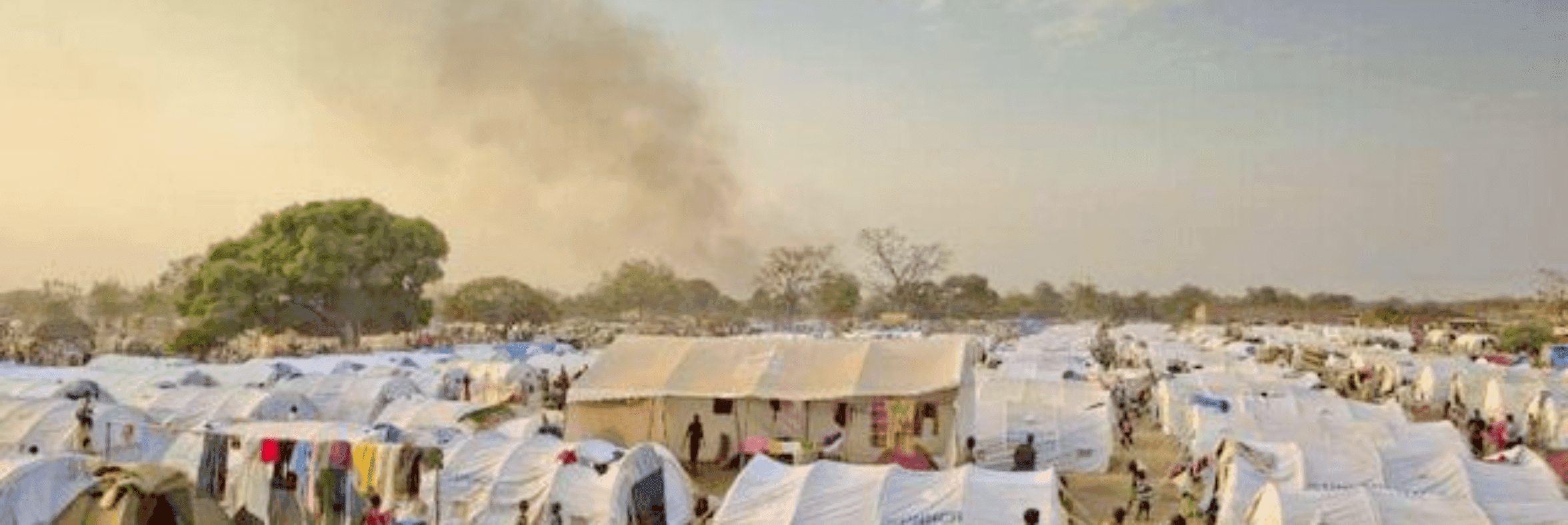
For newly arrived families in Nakivale, building a durable brick home is the fastest path out of emergency shelter. Yet, access to one essential tool, the brick mold, is often out of reach.
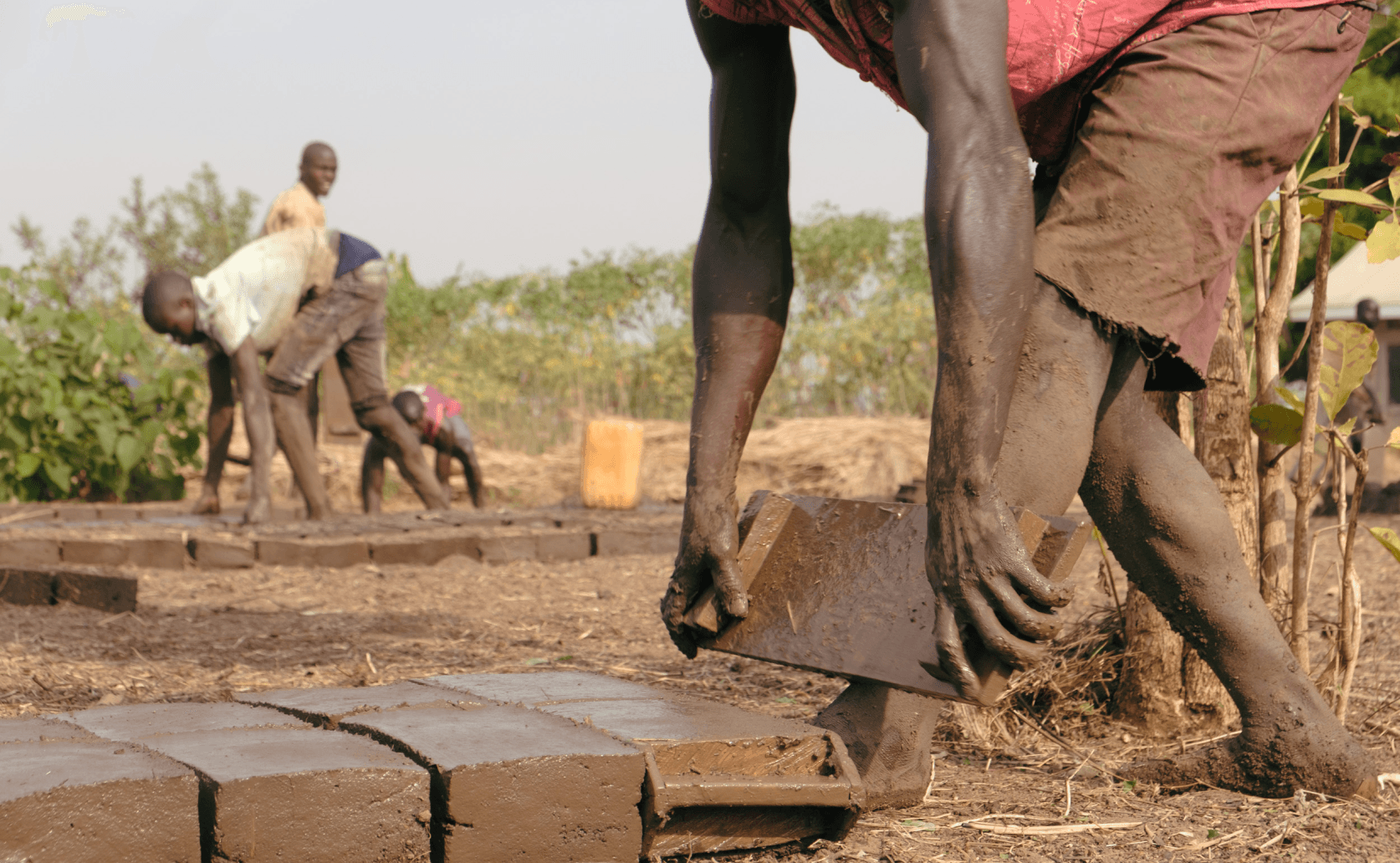
Refugees must rent brick molds at high daily or monthly rates. For families with limited and unstable income, especially single-parent households, these costs can consume a significant portion of their resources and dramatically slow down construction.
In the end, what should take weeks can stretch into months, or become financially impossible altogether.
The Opportunity
We analyzed over 100 new arrivals and identified a clear gap we could address: removing the cost barrier to brick molds could dramatically accelerate housing construction. We also found that while it costs around 3 dollars to build a brick mold, a family can spend up to 100 dollars to rent a mold during the full construction process. Aside from representing more than 30x the product's actual cost, this amount is well above what a family could afford, given their other basic needs.
Most families have the labor, motivation, and basic materials needed to make bricks. What they lack is affordable, reliable access to molds. By shifting molds from a rental commodity to a shared community resource, families can redirect scarce funds toward food, water, and other essentials, while building faster and safer homes.
What It Is
The Brick Mold Lending Program provides free access to brick molds for new arrivals through a Shelter Depot outpost located at the Juru open-air market.
Rather than renting molds, families can borrow them for a defined period, produce the bricks they need, and return the molds for others to use, creating a system rooted in collective ownership and resource stewardship.

support every shelter
Every Donation will impact our ability to fund day one shelter and train refugees to build and maintain their homes.
Failed to load.
Please refresh the page.
Why It Matters
It eliminates high rental costs that disproportionately burden the most vulnerable households
It accelerates the transition from temporary shelter to durable brick homes
It reduces financial risk for families with irregular income
It treats tools as shared infrastructure, not profit-generating assets
And it strengthens trust, cooperation, and accountability within the community
How It Works
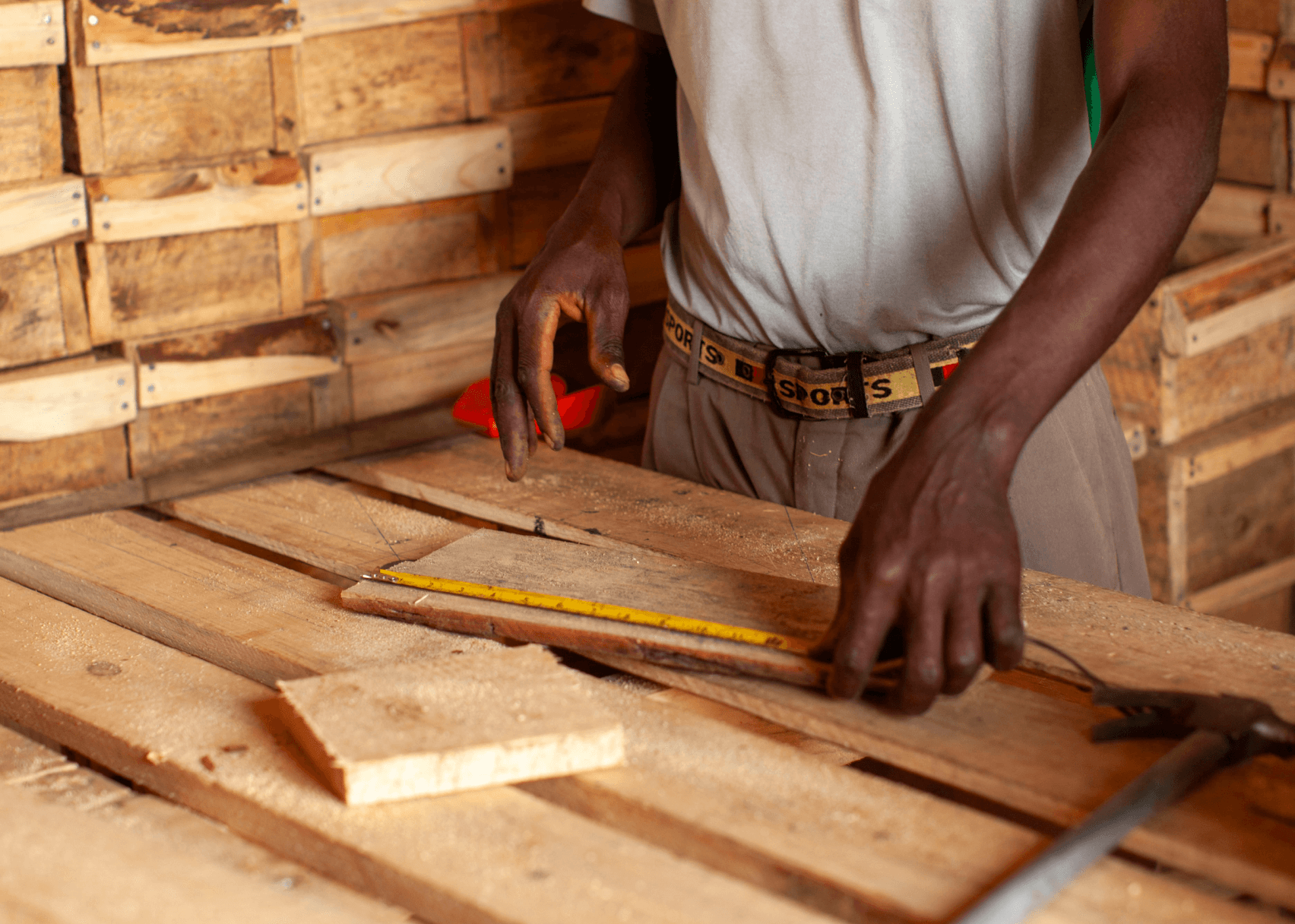
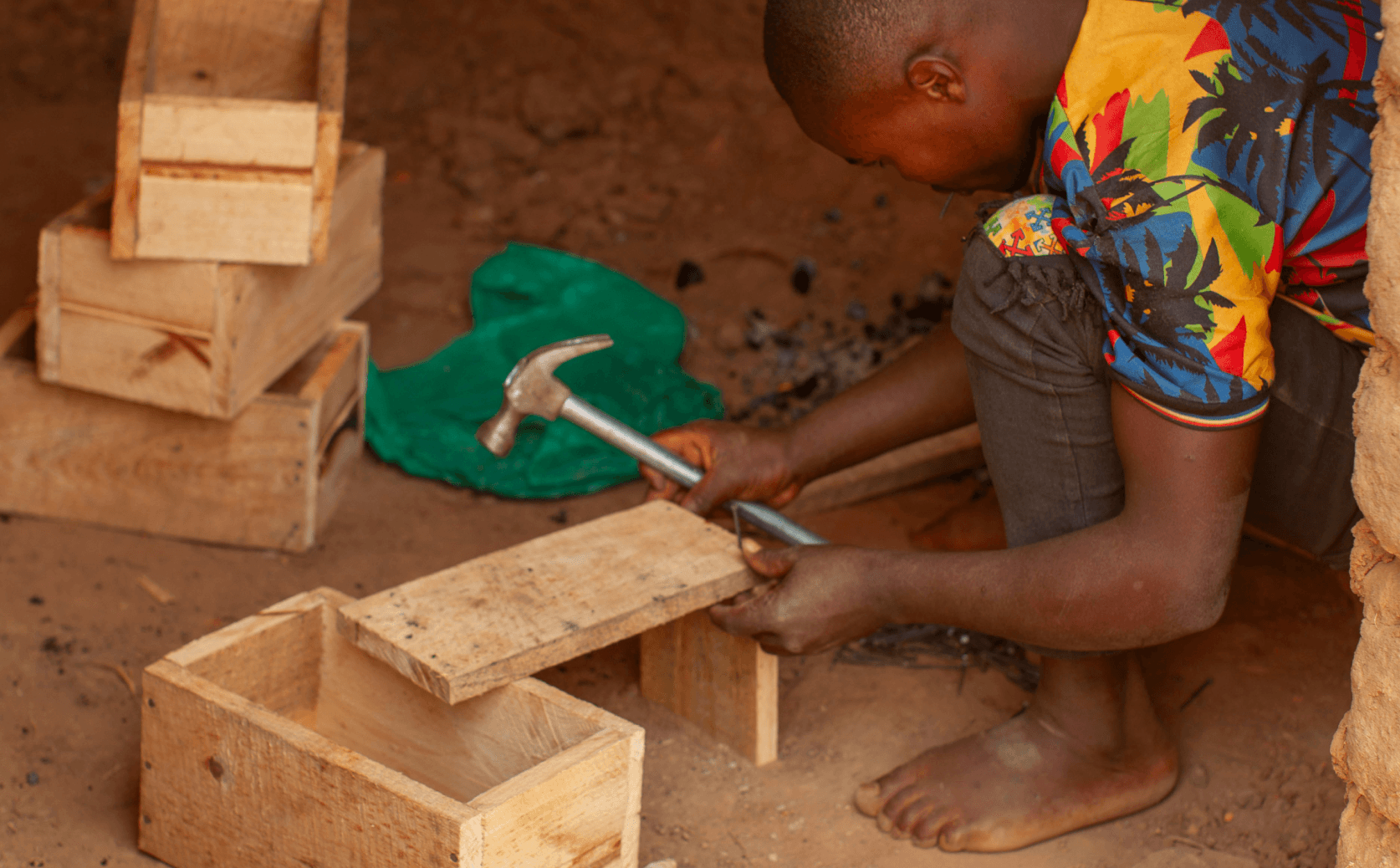
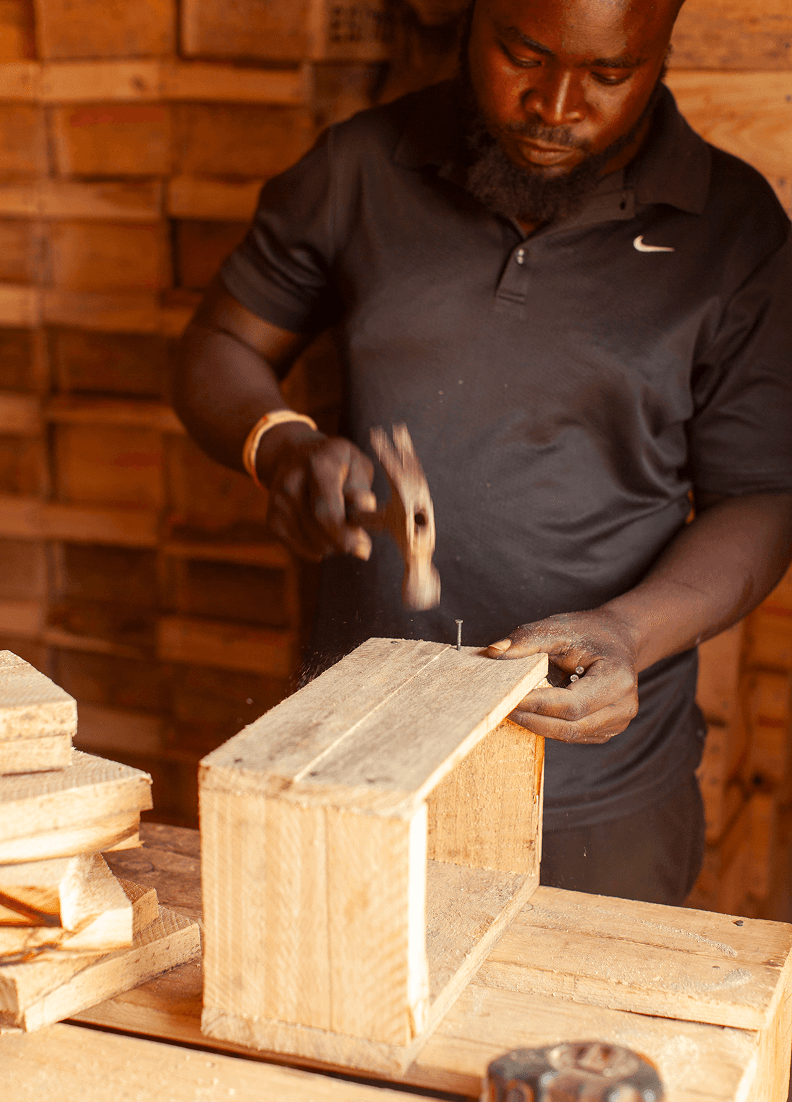
Local Production: Brick molds are produced in partnership with the Wakati Foundation, a refugee-led organization, while simultaneously training participants in mold fabrication.
Community-Based Lending: Molds are stored and lent weekly through the Shelter Depot outpost, using a simple registration and tracking system.
Defined Loan Periods: Families borrow molds for an initial two-week period, with extensions available as needed.
Training & Support: Ongoing brick-making guidance is provided to improve quality and efficiency.
Collective Stewardship: Borrowing and return systems emphasize shared responsibility to ensure long-term program sustainability.
Results So Far
Early findings show that by removing mold rental costs, the program enables families to:
Produce bricks at their own pace
Move into permanent homes sooner
Save critical income during their most vulnerable months
During the first year of the brick mold program, we observed that refugees organized themselves into production groups to create bricks for each other. We also discovered that some entrepreneurial borrowers used our brick molds to produce bricks for sale. This not only underscores the importance of the program but also highlights the resilience and adaptability of the people involved. It shows how a simple initiative can lead to unexpected positive outcomes, such as the creation of new livelihood opportunities.
Read More every shelter stories
Emergency Floor Lebanon
Rohingya Response: Privacy and Protection
Prioritizing Refugee Success is the Key to Rebuilding in Post-Conflict Settings
What Difference Can a Floor Make?
Rohingya Response Part 2
Bringing Warmth: How a Floor Can Change a Home
Refugees and Displaced People: The Numbers
What is "Adequate Shelter?"
Co-Creation Methodologies: Redefining Development
Summer 2019 Co-Creation Internship