Discarded to Indestructible: Plastic’s Second Life as Protection
Published on
The Problem With Roofs in Ref
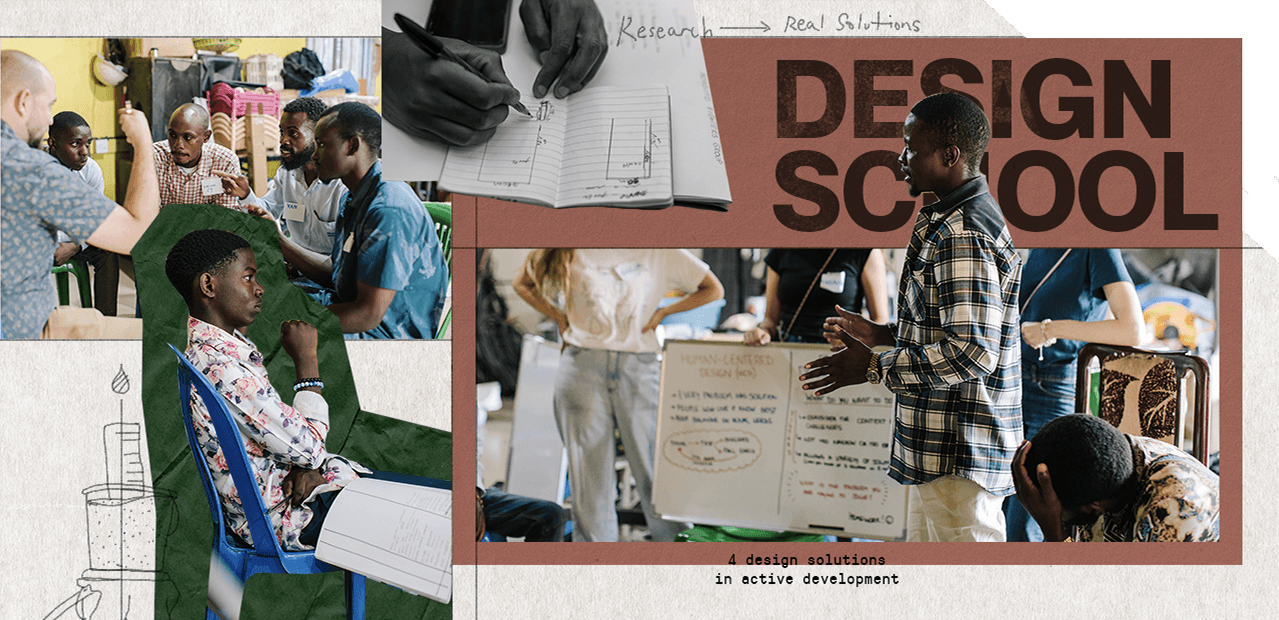
When students at this summer’s Design School began discussing shelter durability, one issue rose to the top: roofs.
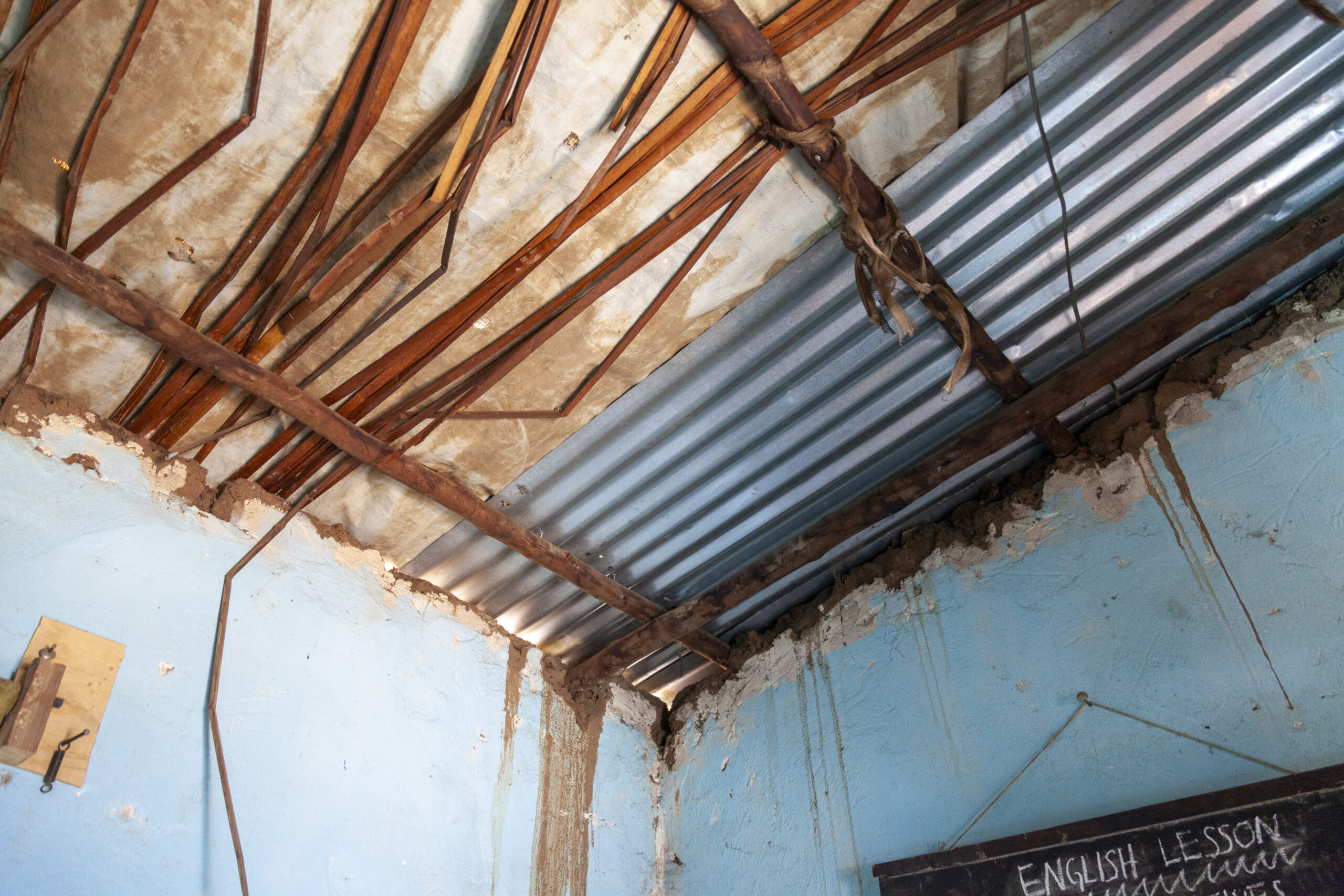
In Nakivale Refugee Settlement, most families rely on tarps or grass thatch—cheap but fragile options that tear easily and leak constantly. Iron sheets are more durable, but they’re expensive, often poorly installed, and make homes unbearably hot during the day and cold at night.
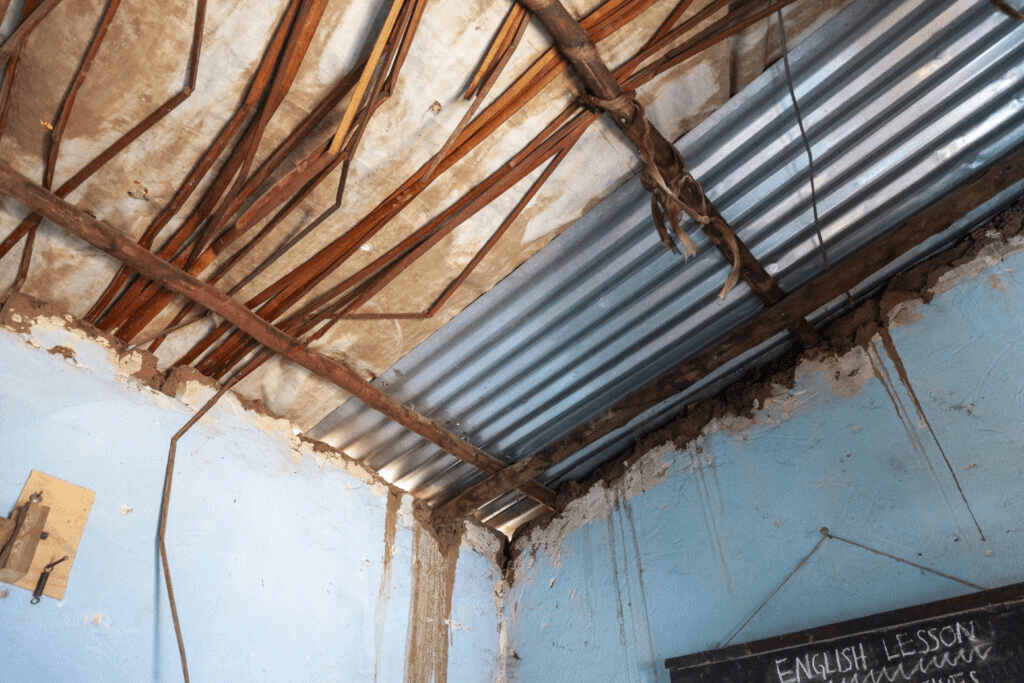
The consequences are serious:
53% of households say their roofs are breaking down.
70% report leaks every time it rains.
Families’ health, safety, and belongings are at constant risk.
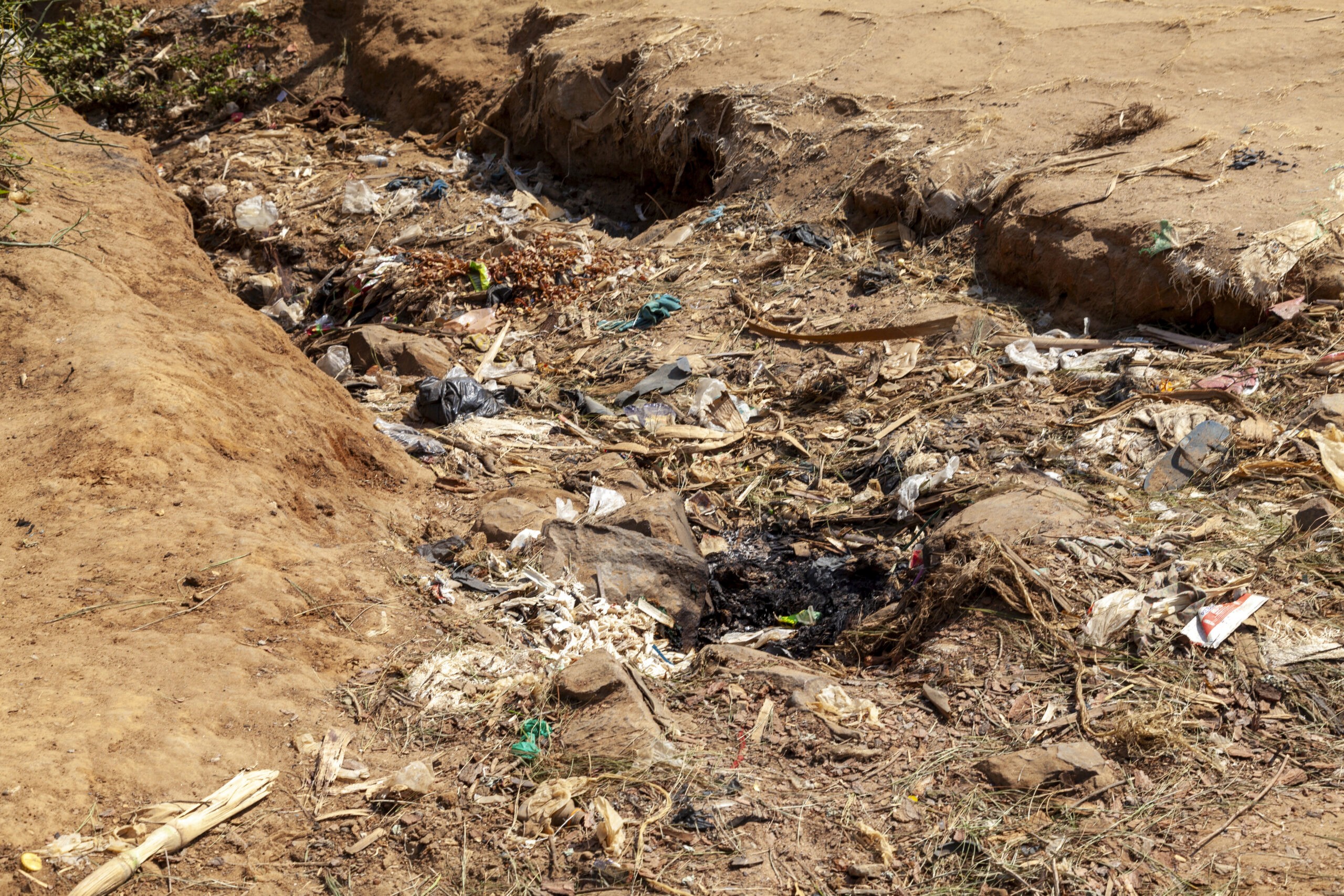
At the same time, students couldn’t ignore another pressing issue: plastic waste piling up across the settlement. It clogs drainage channels, pollutes water sources, and poses environmental and health hazards.
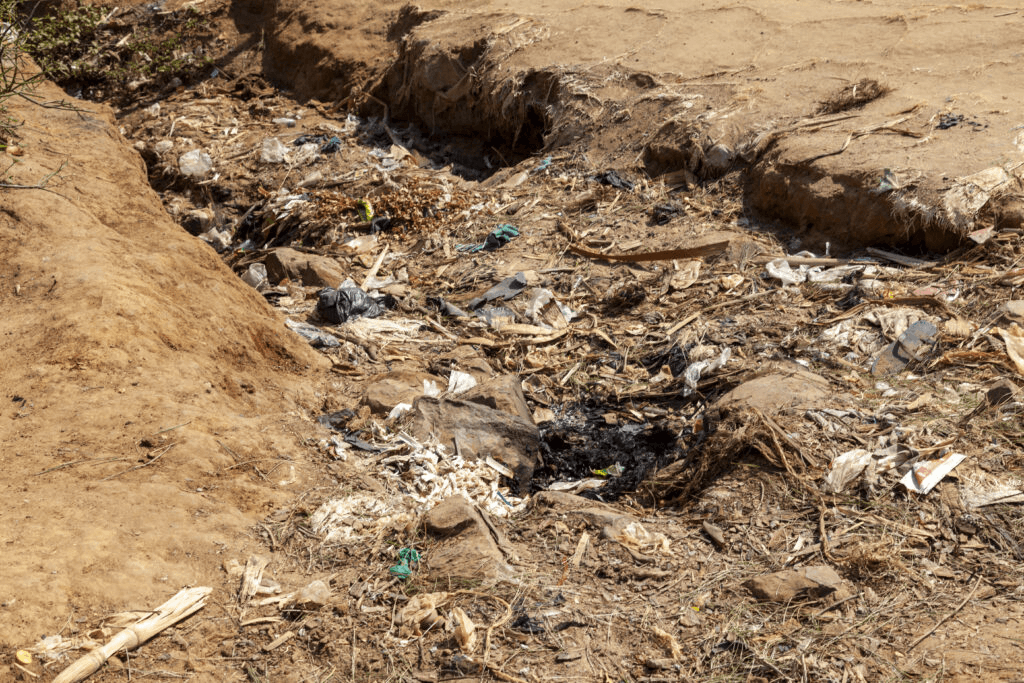
This combination sparked a big question: How can we transform plastic waste into affordable, durable roofing solutions for refugee families?
What We Learned
Roof leaks aren’t just a Nakivale problem—they’re a nationwide crisis. Across Uganda:
62% of refugee households identify leaking roofs as their top shelter concern.
Families living under tarps and unfinished shelters suffer the most, with up to 89% reporting leaks.
In Nakivale specifically:
64% of households face serious shelter issues.
Families consistently rank roofing repairs as their highest priority.
Clearly, solving the roof problem could transform the daily lives of thousands of families.
support Shelter Depot
Every Donation will impact our ability to fund the shelter depot efforts as well as train refugees to build and maintain their homes.
Failed to load.
Please refresh the page.
Experimenting With Solutions
Initially, the student team considered redesigning shelters entirely; however, rebuilding structures proved unrealistic and too costly. They pivoted to improving what families already had—their existing iron sheet roofs.
Early ideas included patching holes with a mixture of fuel and icopor (a local coping method), but this wasn’t innovative. The breakthrough came when they asked: What if the solution could also address the plastic waste problem?
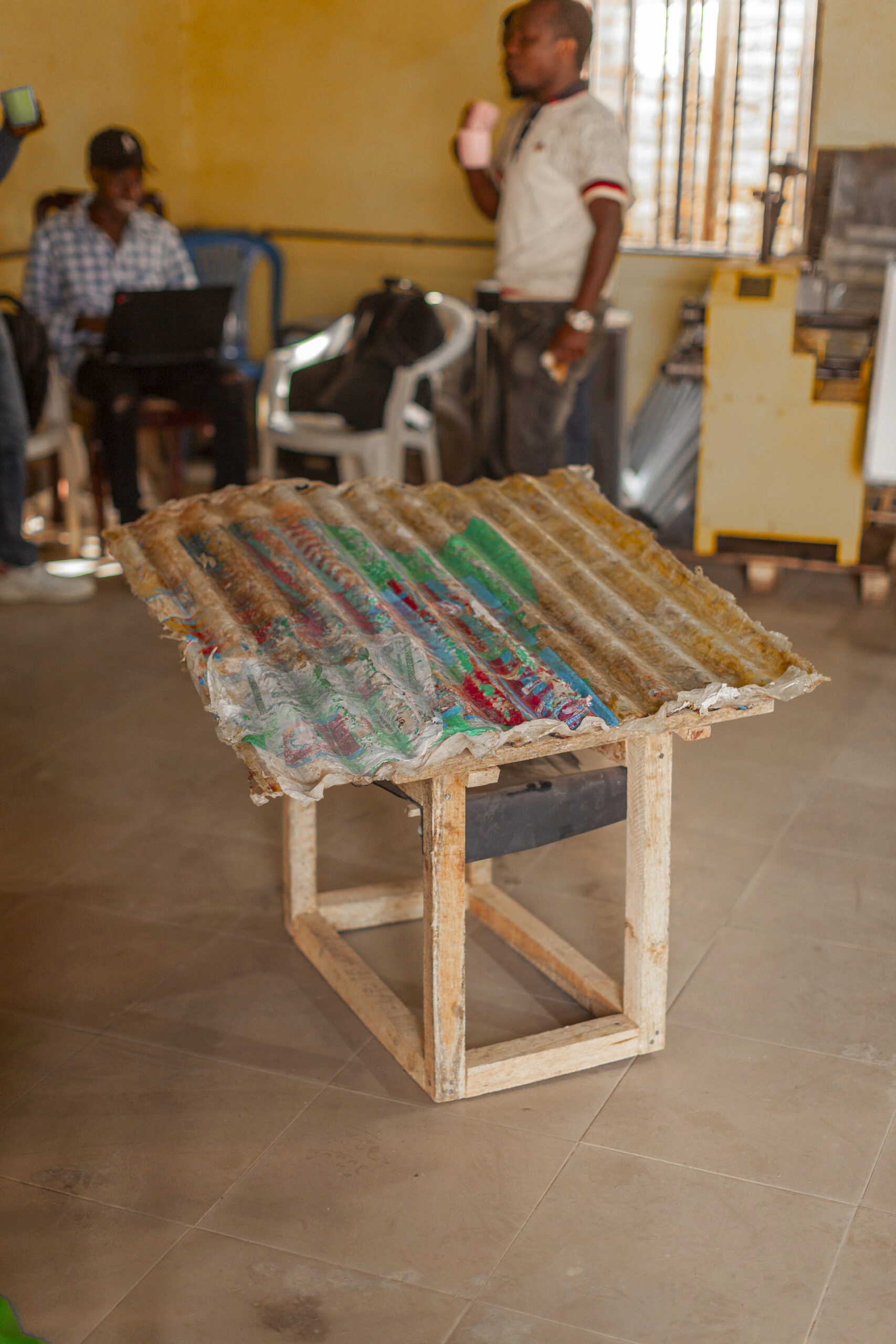
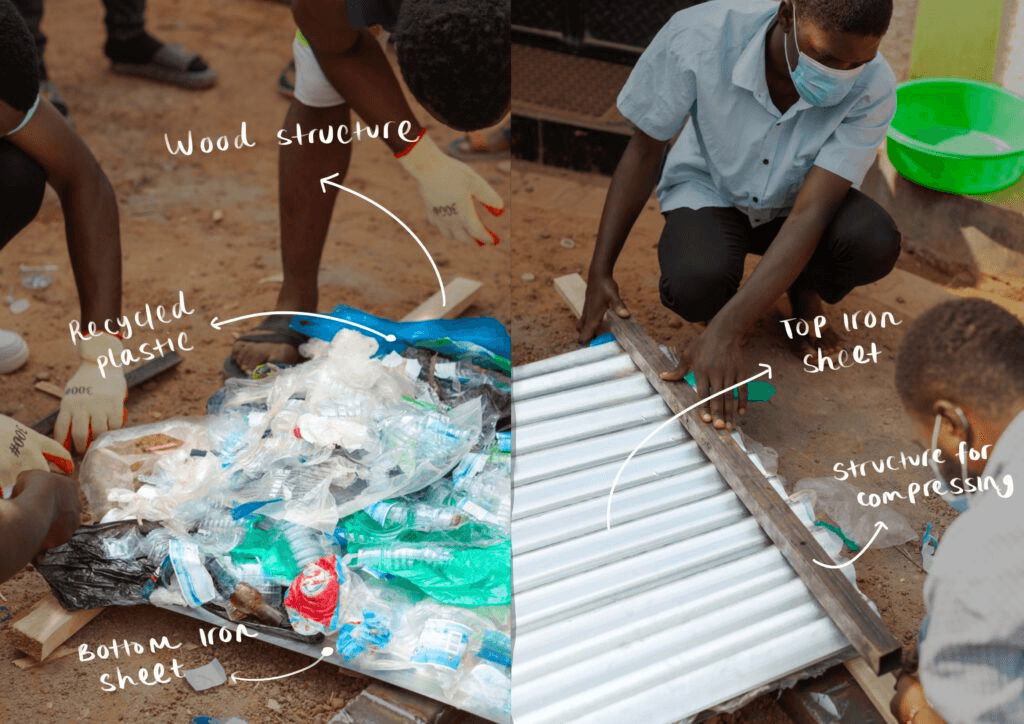
So, they began experimenting with melting plastic into corrugated sheets. Using molds made from iron sheets, they tested different types of plastics and heating methods until they created durable, corrugated plastic panels.
The Final Design
The group’s final prototype is a corrugated plastic patch system that works just like iron sheets:
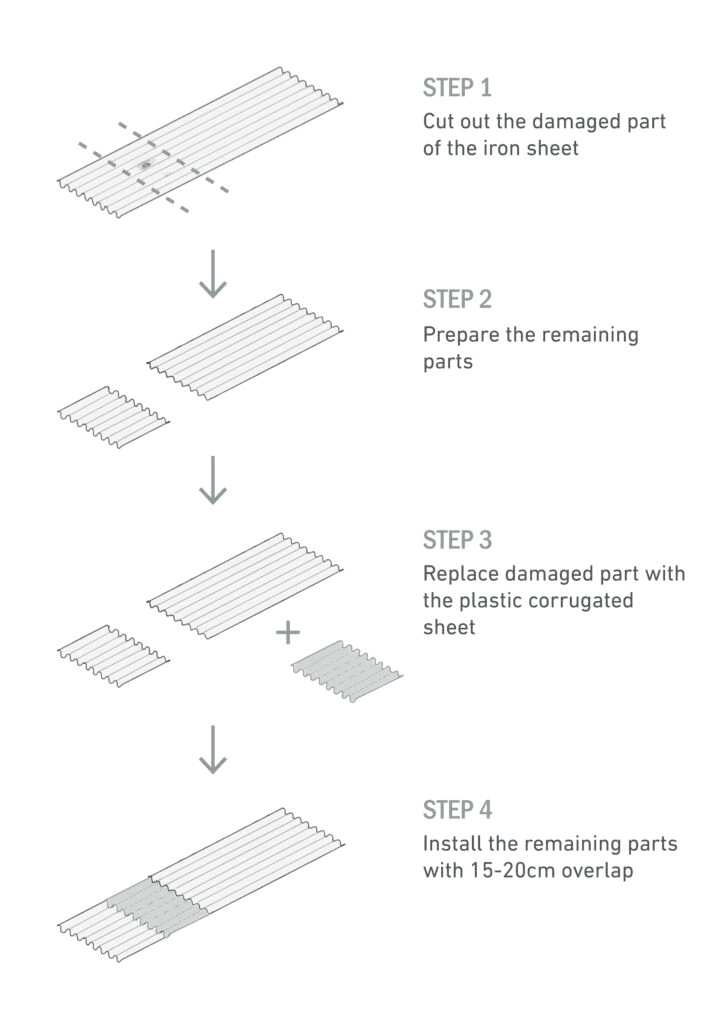
The next step? Testing these prototypes in real homes. Students will monitor performance during rain, wind, and daily wear to ensure durability and practicality.
Why This Matters
This project is more than a technical solution. It’s about:
Reducing leaks that threaten families’ health and security.
Upcycling plastic waste into useful, life-improving materials.
Equipping refugees with skills to produce and maintain their own solutions.
It’s one example of how Every Shelter’s Design School empowers refugees not just to survive—but to design, test, and build the tools they need to thrive.
Photos by Leandra Graf