Stronger, Safer Homes: Reinventing Mud Bricks with Cow Dung and Local Innovation
Published on
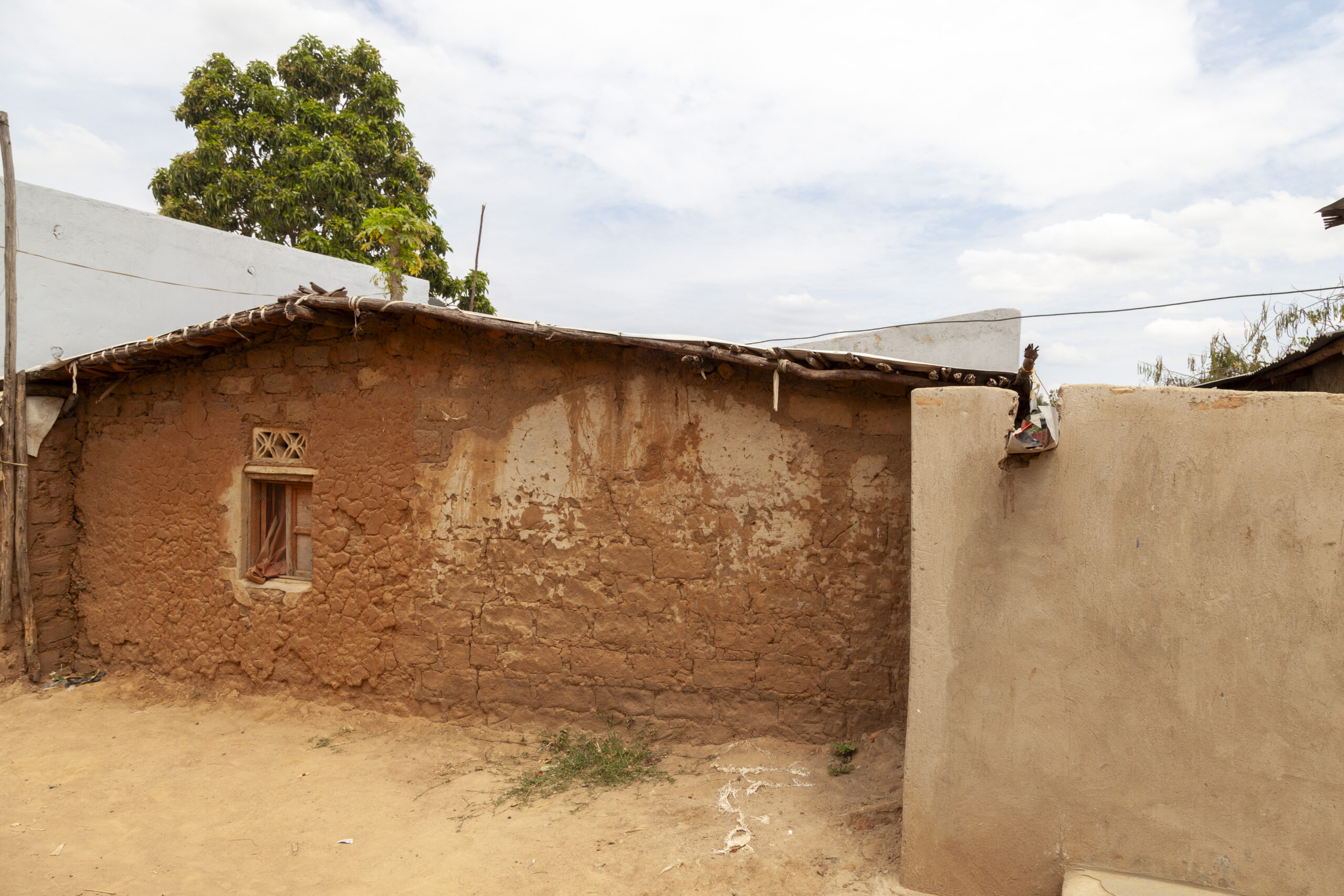
In Nakivale Refugee Settlement, families live with a constant fear—their mud-brick homes could collapse at any moment. After each rainy season, walls crack, foundations crumble, and safety slips away. For many, the choice feels impossible: live in fragile mud homes or pay triple the cost for burnt bricks that fuel deforestation.
This summer, the Brick Group of student innovators set out to change that story. Their mission: find affordable, sustainable ways to build stronger, longer-lasting bricks.
The Problem: Fragile Mud-Brick Homes
93% of families in Nakivale live in mud-brick houses.
80% say their walls are already crumbling.
Burnt bricks are stronger, but they cost 3x more and accelerate deforestation in Uganda.
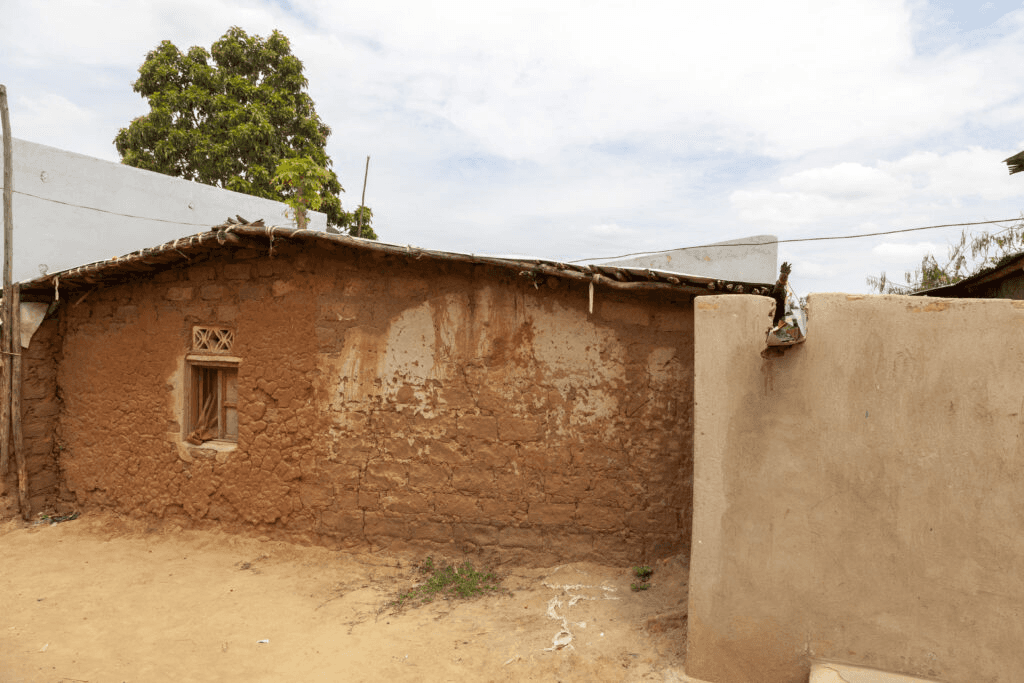
One mother summed up the crisis: “I worry every night that my house will fall on my children.”
Mud bricks are cheap and familiar—but without stronger materials and better building methods, they leave families trapped in unsafe housing.
The Breakthrough: Cow Dung Bricks
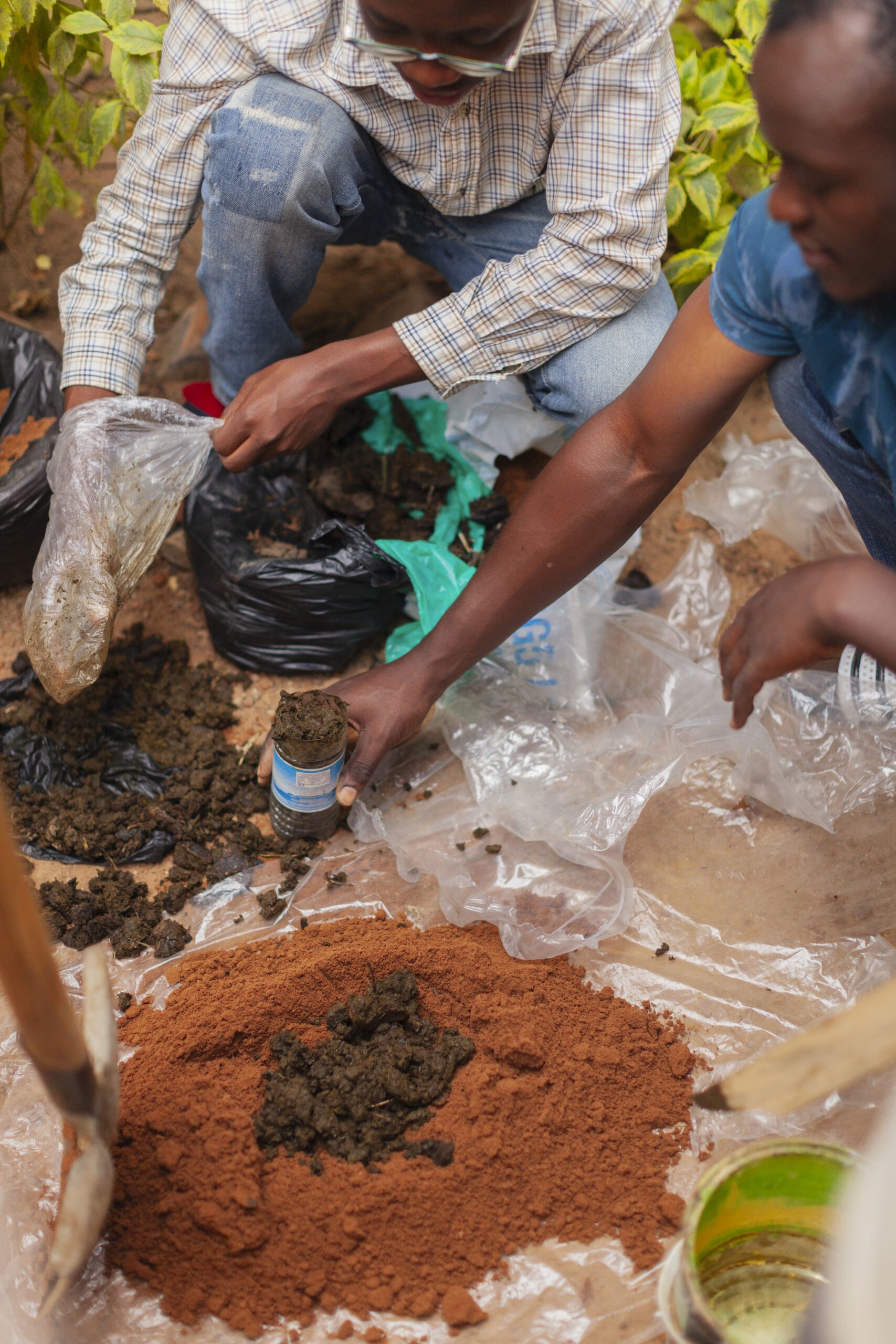
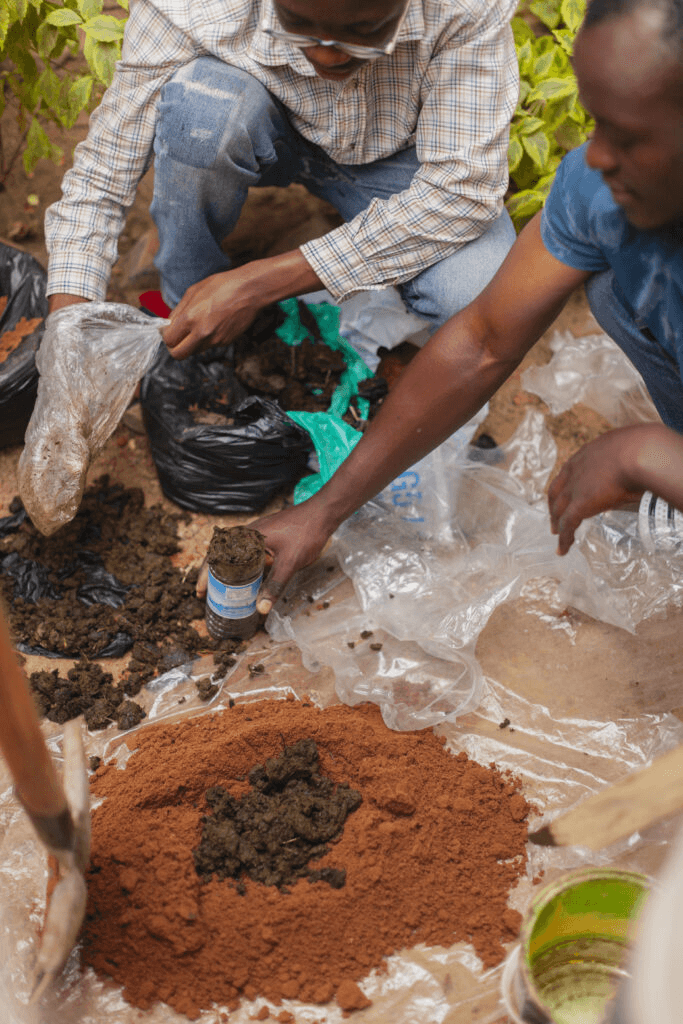
When the Brick Group dug into research, they discovered an unlikely hero: cow dung.
Studies show that adding cow dung to mud bricks can:
Boost dry strength by 25%
Improve water resistance up to 30 times
Create a natural water-repellent layer that protects walls from rain
Help regulate indoor climate by “breathing” with humidity
This means bricks that last longer, resist rain, and make homes safer and more comfortable.
Smarter Building: Compression & Local Additives
The students also learned that how bricks are made matters just as much as what they’re made from.
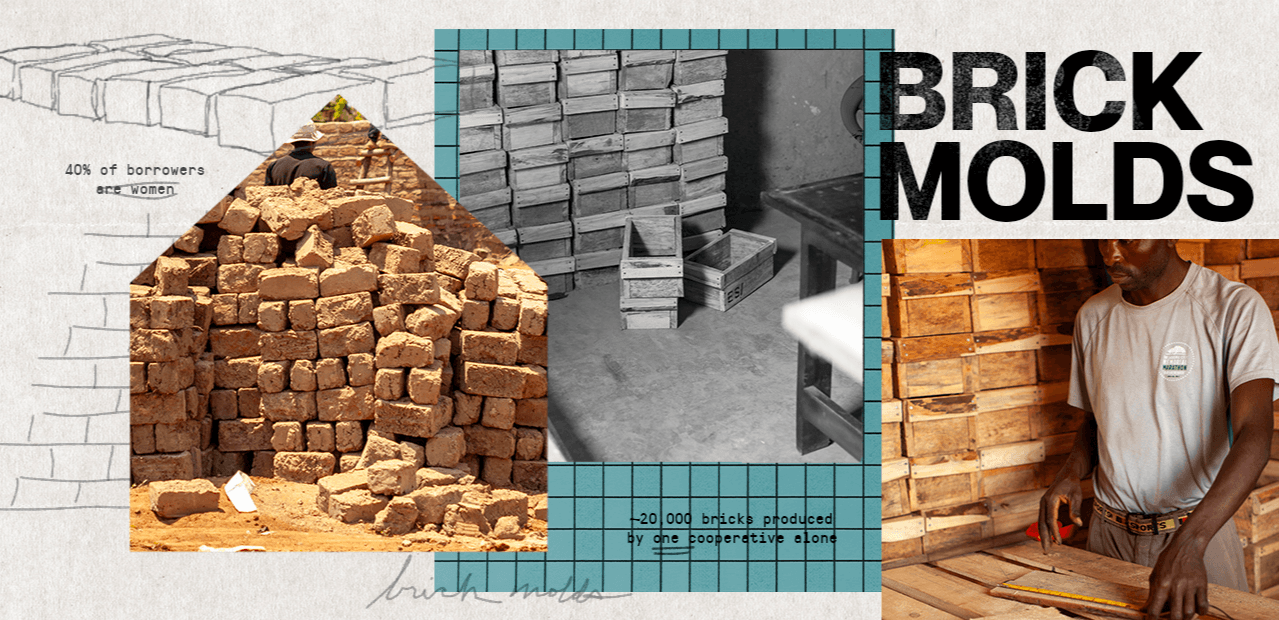
Traditional molds leave bricks full of air pockets, making them weak. By adding compression—pressing the mixture firmly into shape—they created denser, stronger bricks.
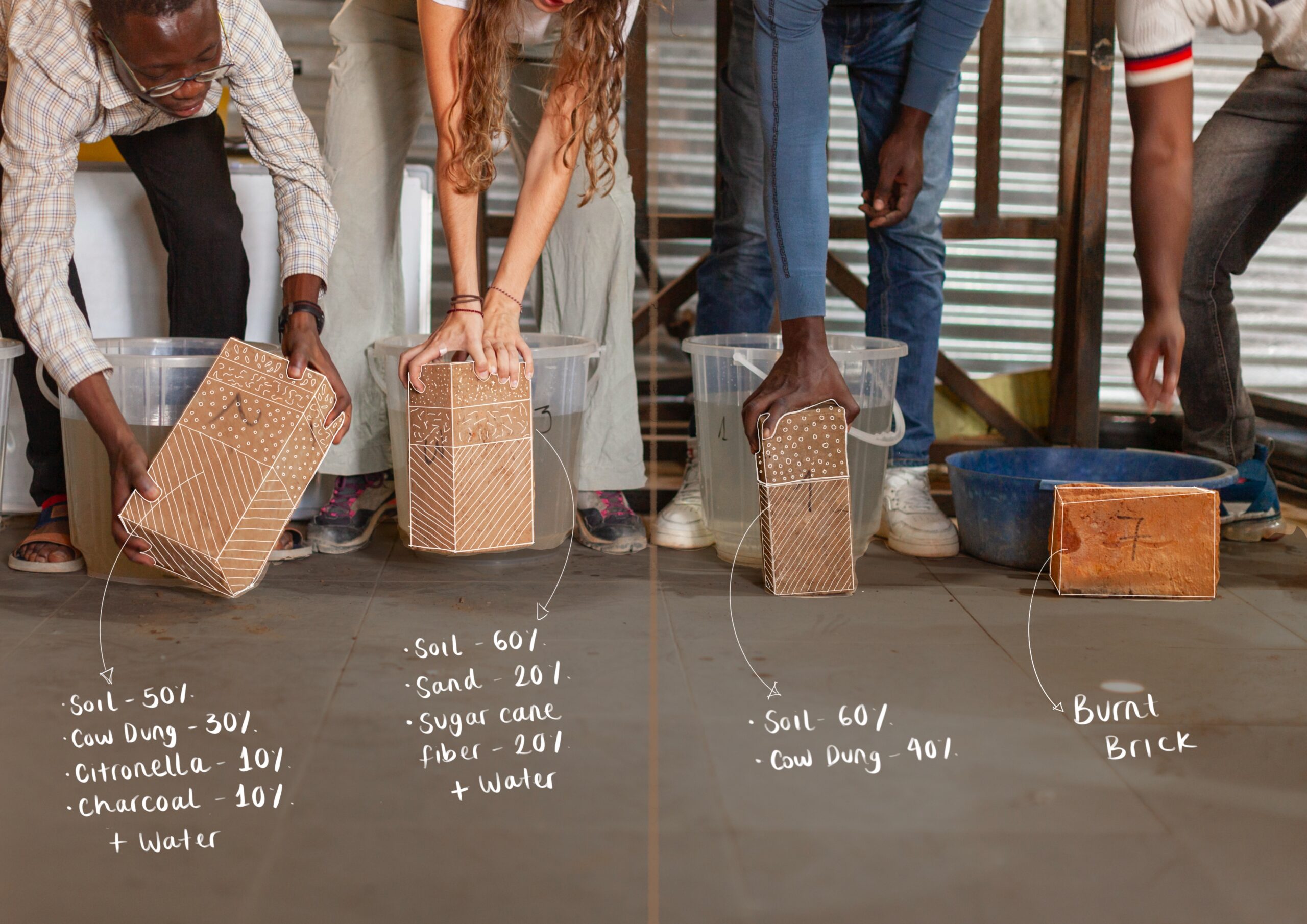
To make bricks even tougher, they tested other natural additives:
Sugarcane fiber → acted like rebar, preventing cracks and boosting strength
Charcoal & lemongrass → helped with pest control
support Shelter Depot
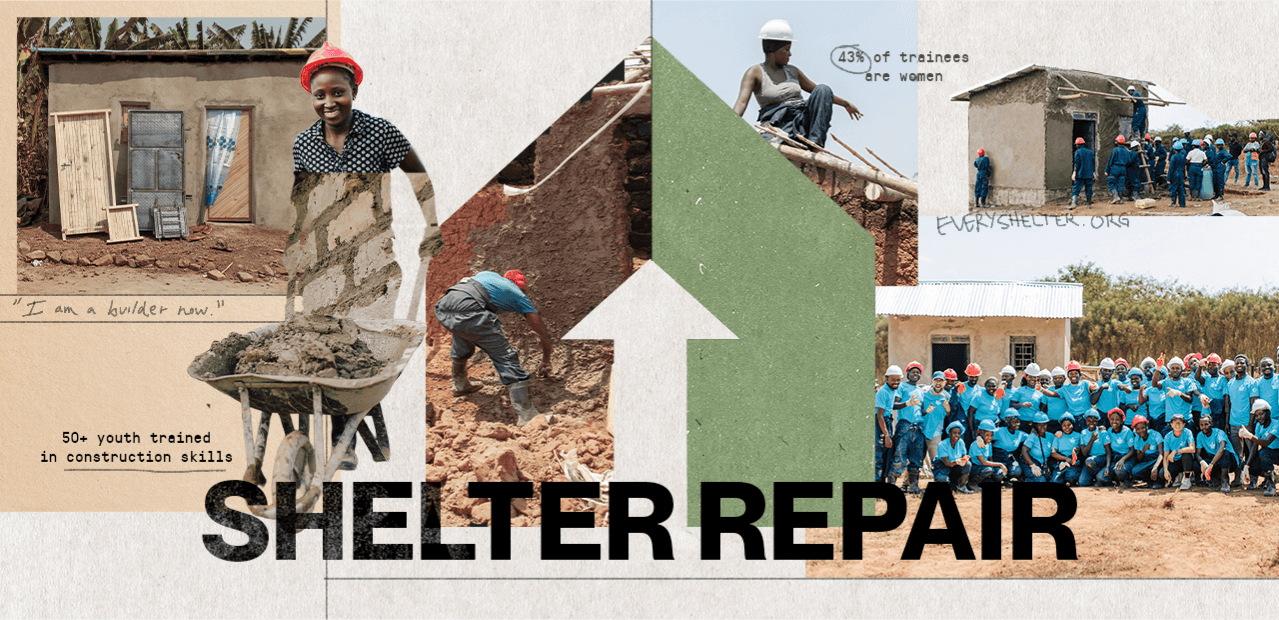
Every Donation will impact our ability to fund the shelter depot efforts as well as train refugees to build and maintain their homes.
Failed to load.
Please refresh the page.
Putting Bricks to the Test
The Brick Group didn’t stop at theory—they built prototypes and put them through real-world challenges.
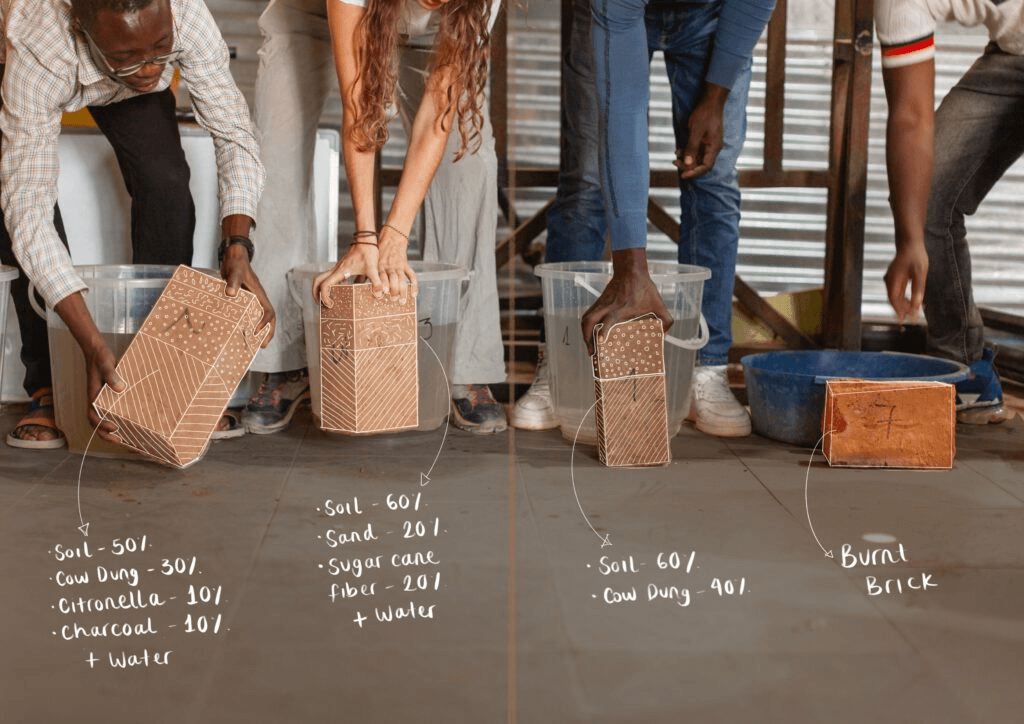
Water Test (24 hours submerged):
Mud brick → crumbled
Sugarcane brick → broke down
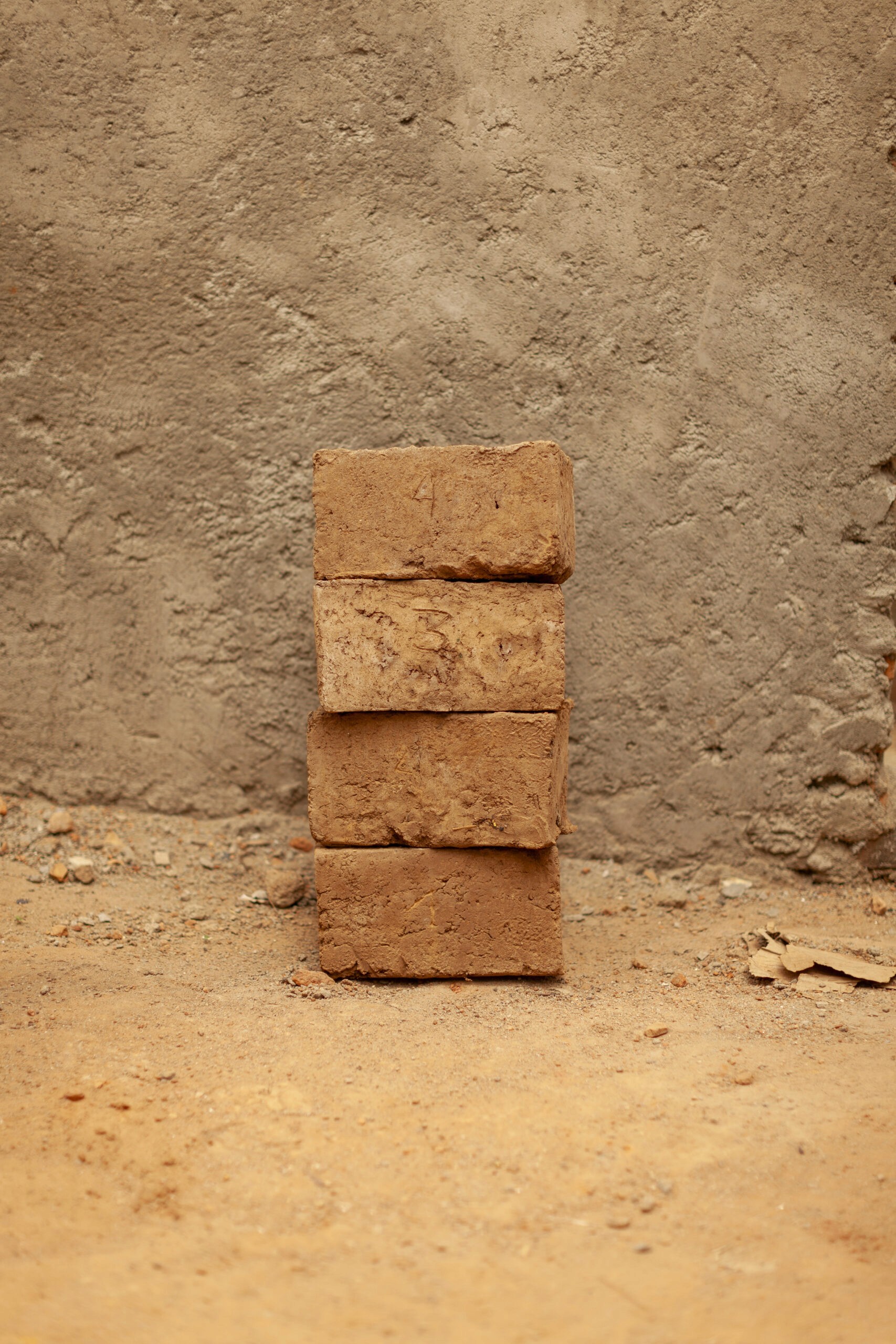
Cow dung brick → intact
Burnt brick → intact
Drop Test (1–2 meters):
Mud brick → shattered immediately
Cow dung brick → broke at 1.5 meters
Sugarcane fiber brick → survived all the way to 2 meters
The results? Cow dung rivaled burnt bricks in water resistance, and sugarcane fiber excelled in impact resistance.
The Hybrid Solution: Strong Foundations, Affordable Walls
Scaling up cow dung production for every brick isn’t realistic. But the students found a powerful compromise:
Use cow-dung bricks for foundations and lower walls (where water damage is worst).
Use mud bricks reinforced with sugarcane fibers for the upper walls.
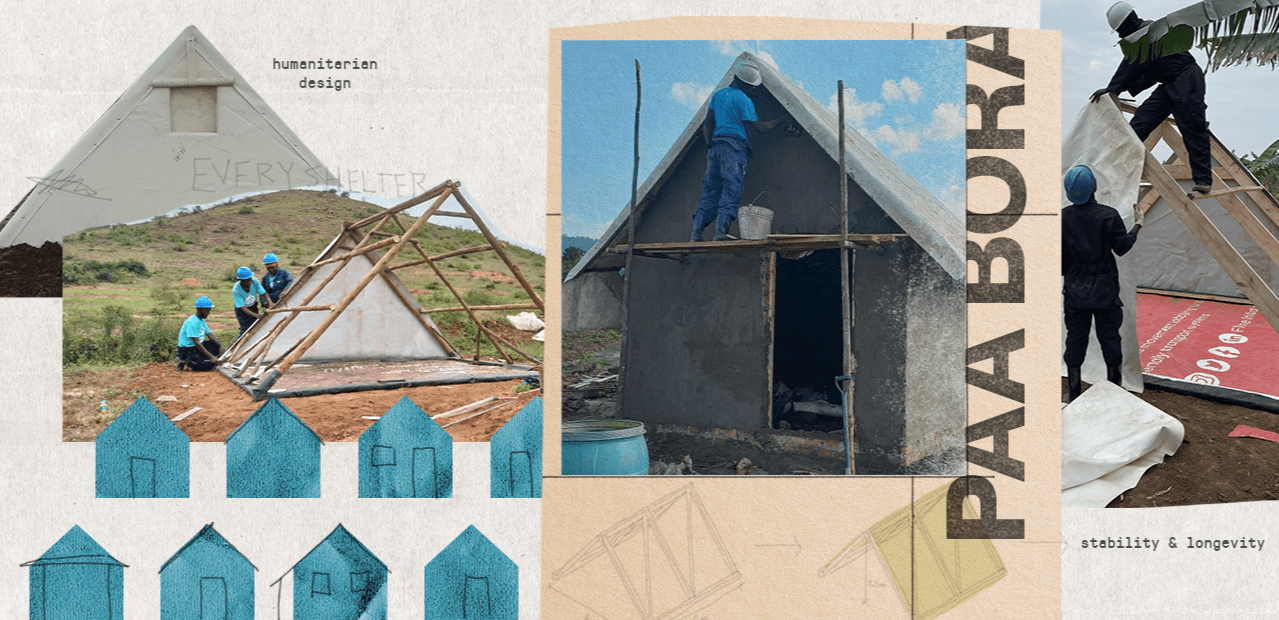
This hybrid method strikes a balance between availability, affordability, and strength—a sustainable approach to building safer homes.
Why This Matters
Families can live in safer, longer-lasting homes.
Local builders can use familiar materials in smarter ways.
The environment benefits from reduced deforestation and waste.
What began as a fragile mud wall is now a promising blueprint for durable, affordable housing in refugee settlement
Photos by Leandra Graf