Designing Against Gender-Based Violence
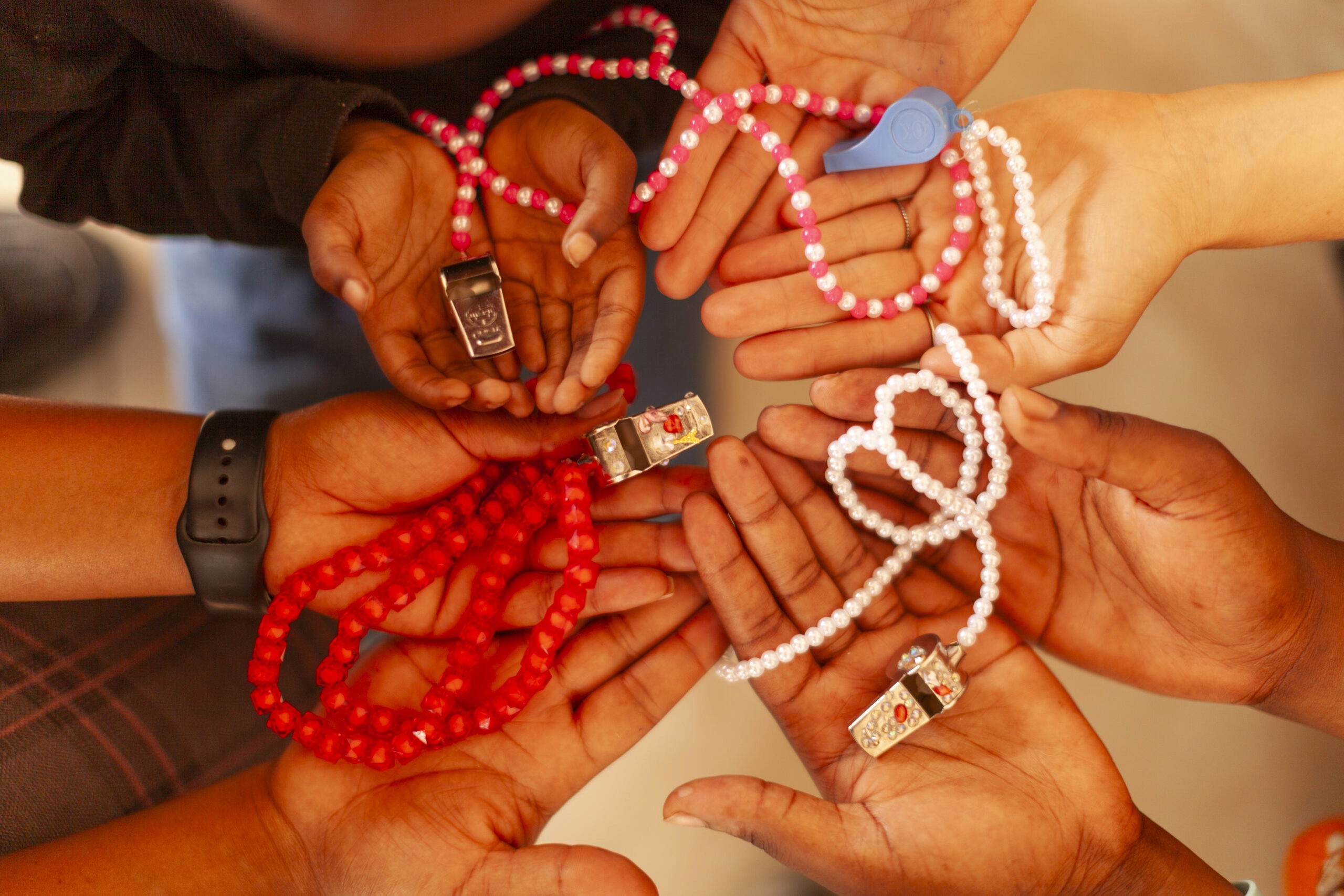
Published on
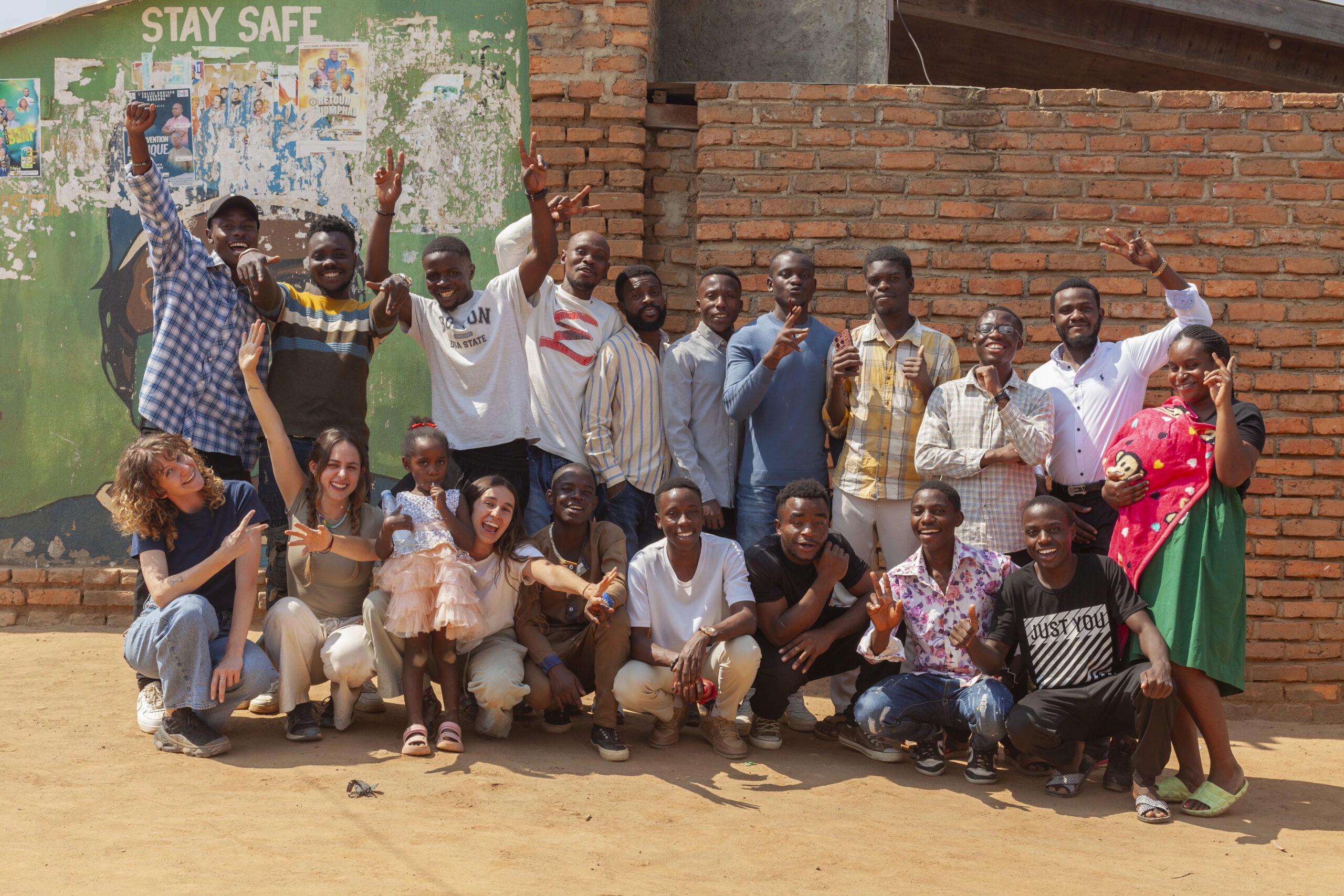
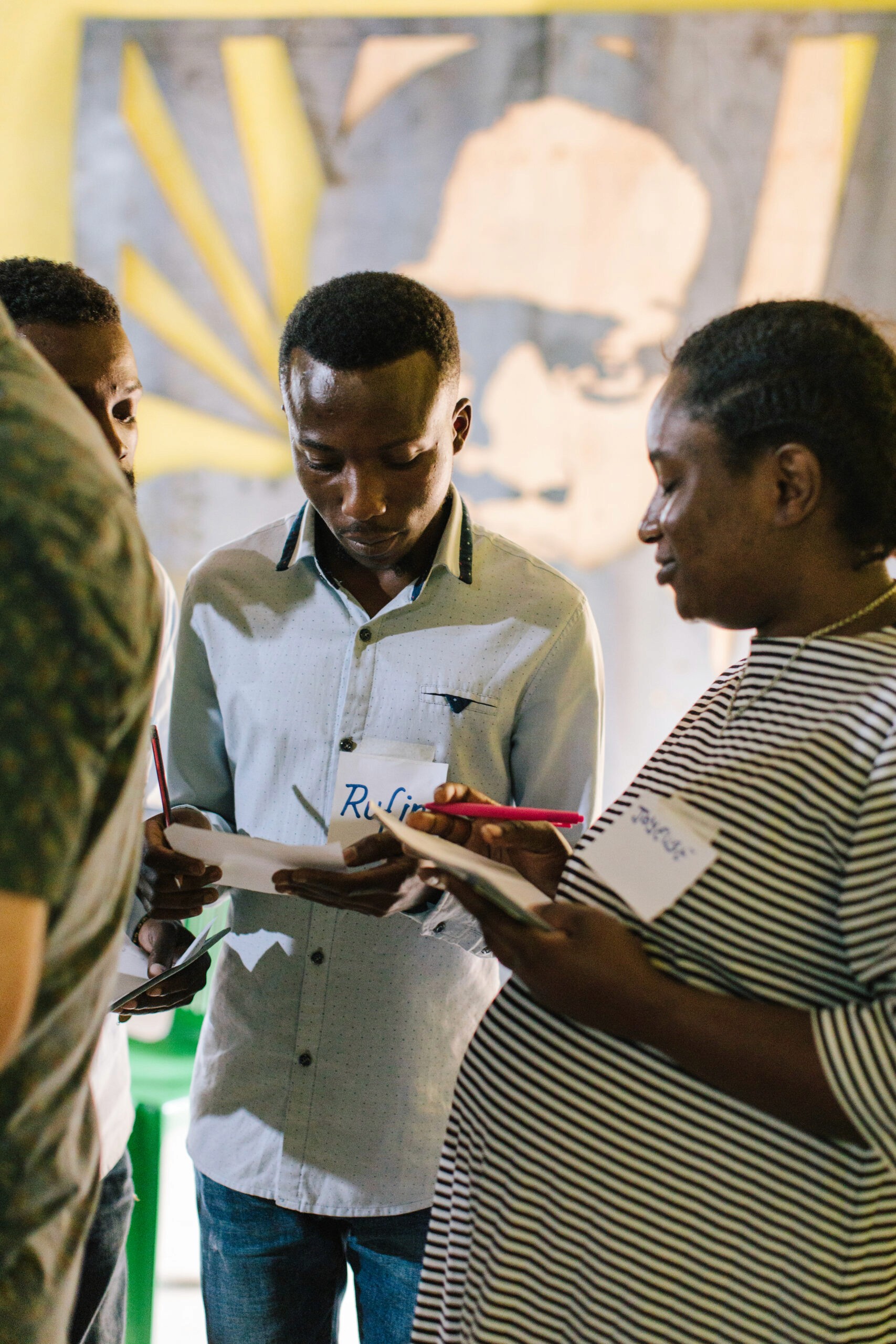
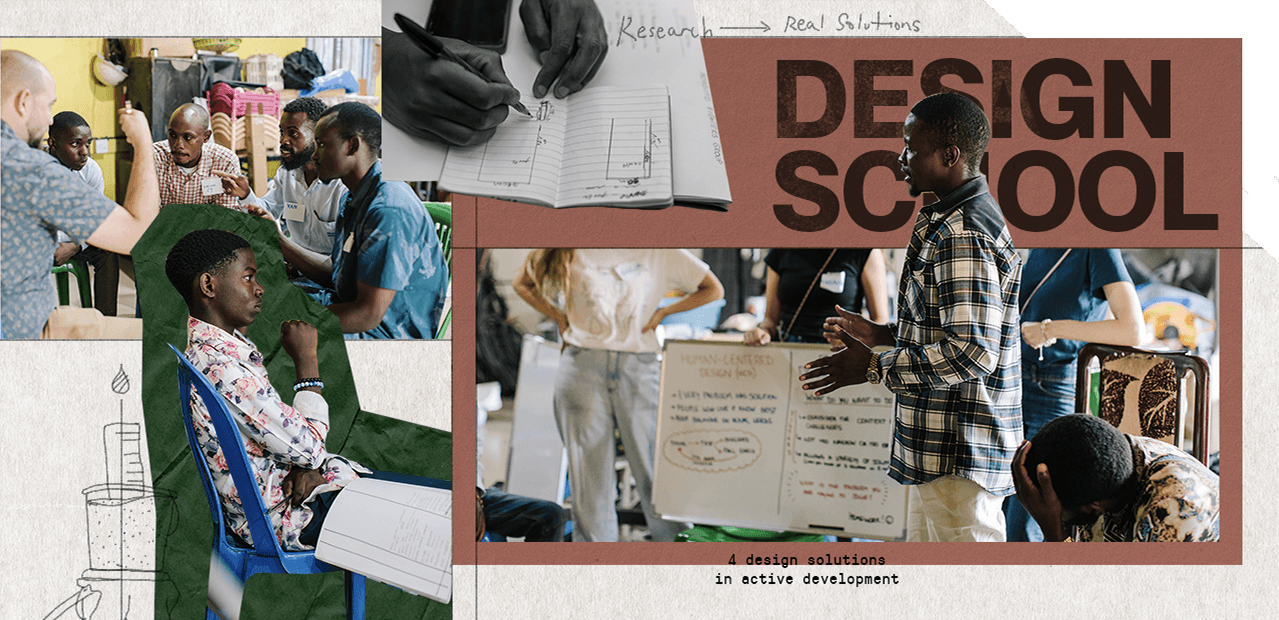
Among this summer’s Design School students, Joy was the only woman—and from day one, her determination was clear: to confront and address gender-based violence (GBV) head-on.
Joy and her husband lead a refugee-led organization supporting survivors of GBV, and she herself has lived through these painful realities. Throughout the course, she shared about the urgent need for safer spaces for women, the lack of awareness about what GBV actually is, the absence of clear reporting mechanisms, and the heavy silence survivors often carry because of stigma, fear, and shame
Her reflections prompted us to ask: How can design and shelter strategies address these urgent concerns?
When Home Isn’t Safe
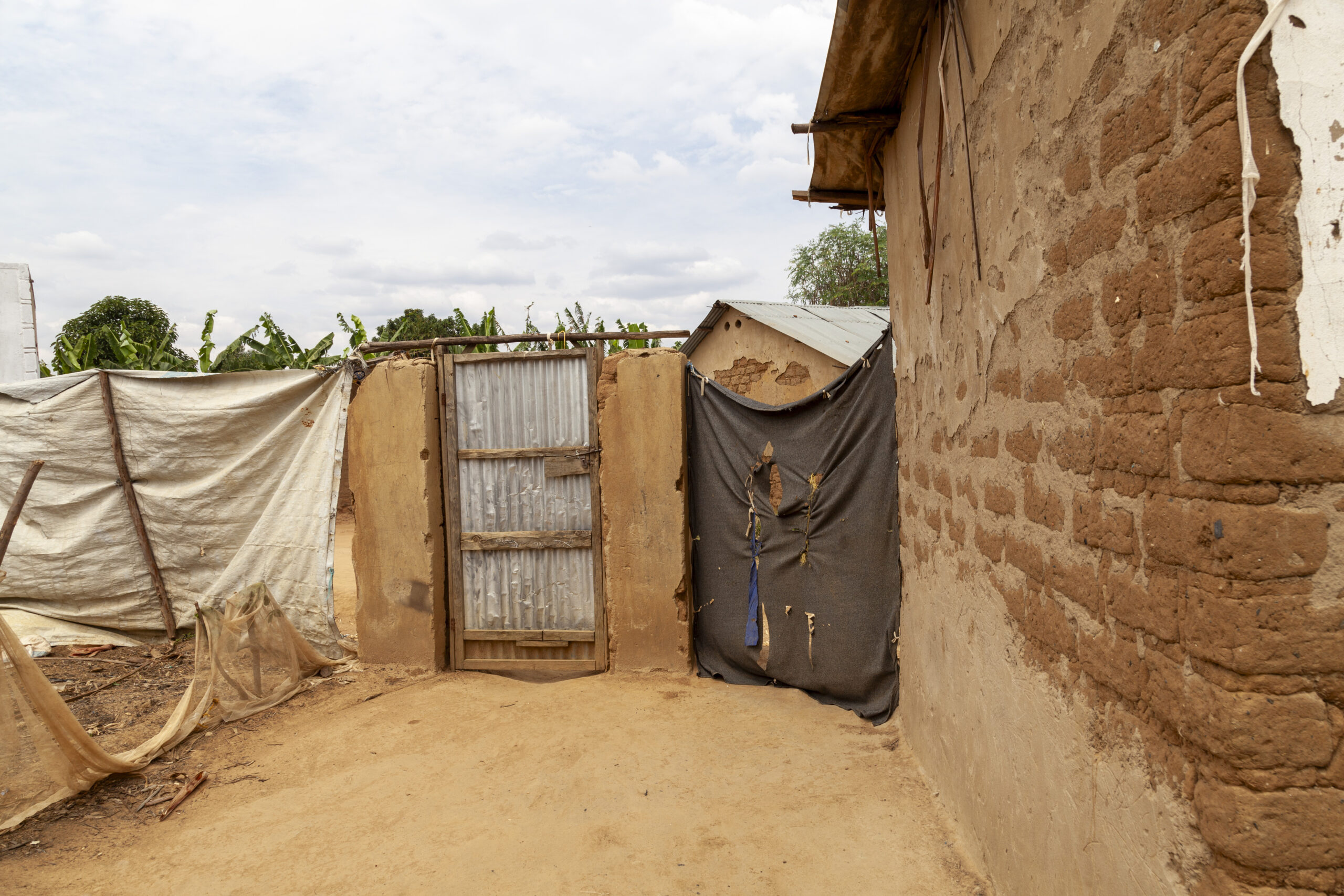
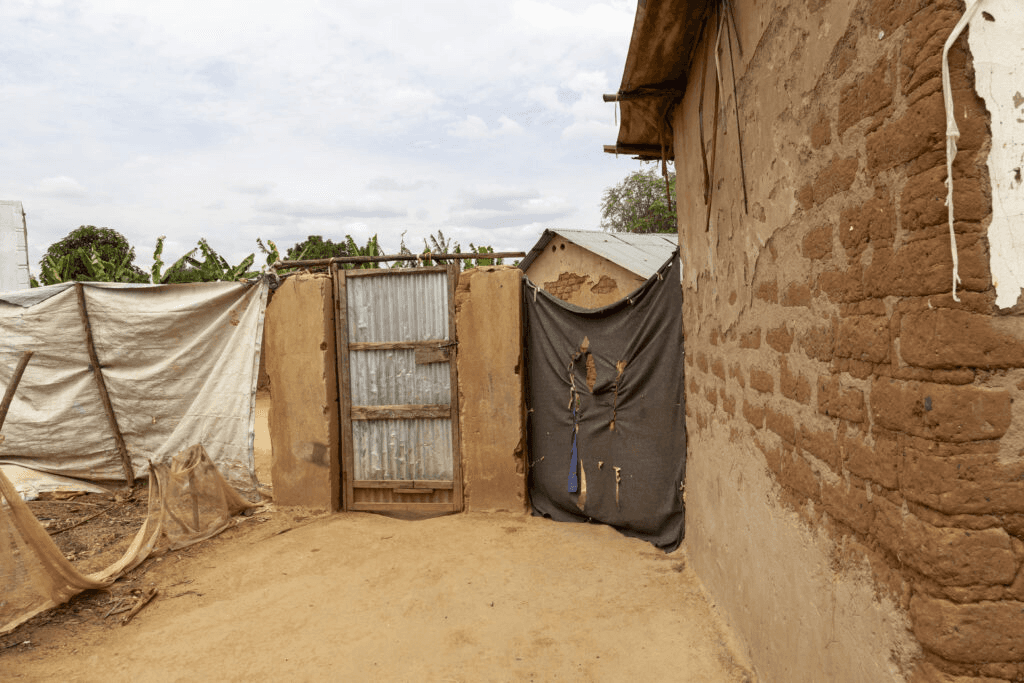
Shelter should mean protection. Yet when we asked families about safety inside their homes, the answers were alarming: 86% of households reported at least one break-in in the past six months.
These weren’t just cases of theft. For women—especially when alone or in vulnerable situations—intrusions often escalated into violence. On top of this, domestic violence remains a hidden but pervasive reality, globally underreported and deeply stigmatized.
All of these forms of violence share one devastating truth: they often happen inside the home.
So our student posed the central research question:
How might we design a home-based system that can immediately alert in cases of GBV, helping to prevent violence while also raising awareness?
Listening to the Community
Joy's insights were not isolated. They matched broader research from refugee settlements across Uganda. Studies show:
Nearly 40% of women report experiencing domestic violence.
Early and forced marriage remains common, increasing risks of exploitation and exclusion from education.
Harmful practices such as FGM (female genital mutilation) persist in some communities, despite being illegal.
Only 8.5% of survivors receive psychosocial support, and just 2% of women report feeling fully safe in their environments.
Distrust of institutions runs deep. Many survivors shared that reporting GBV often leads to disbelief, blame, or even demands for bribes before action is taken.
In short: systemic and structural barriers keep women unsafe—and silent.
support Shelter Depot
Every Donation will impact our ability to fund the shelter depot efforts as well as train refugees to build and maintain their homes.
Failed to load.
Please refresh the page.
Prototyping Safety
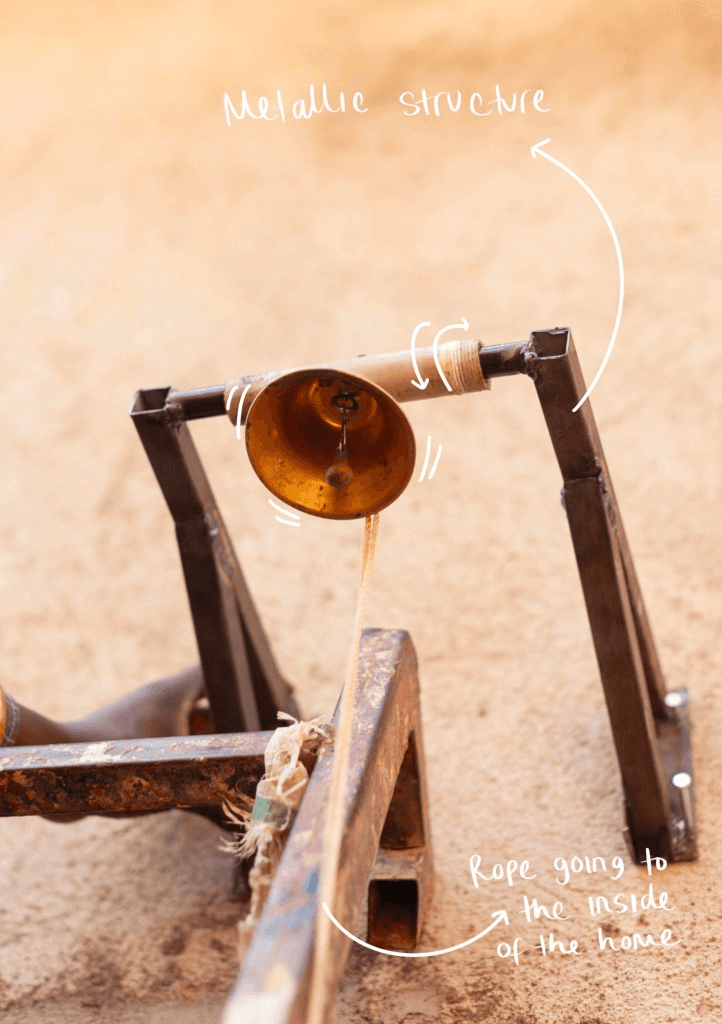
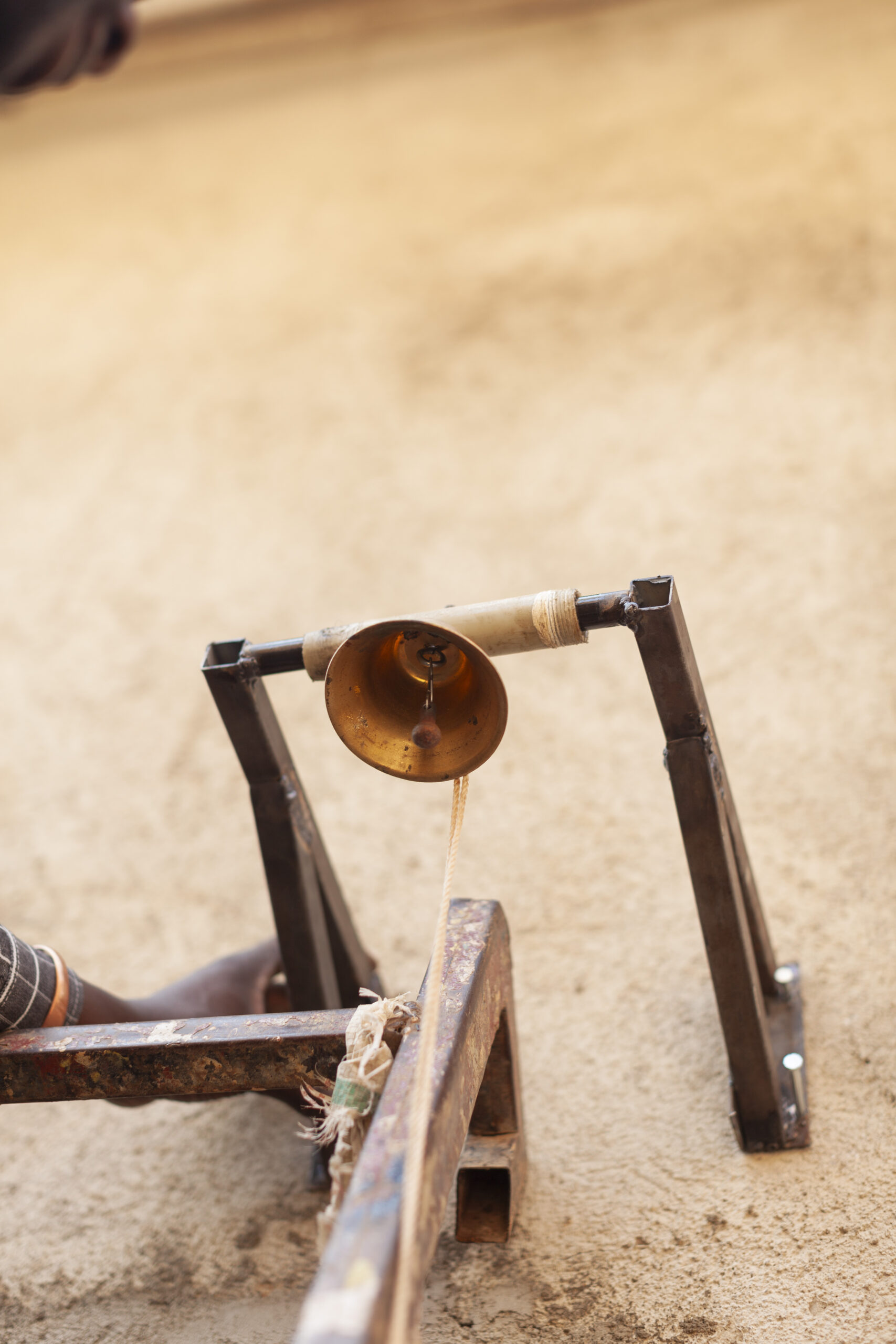
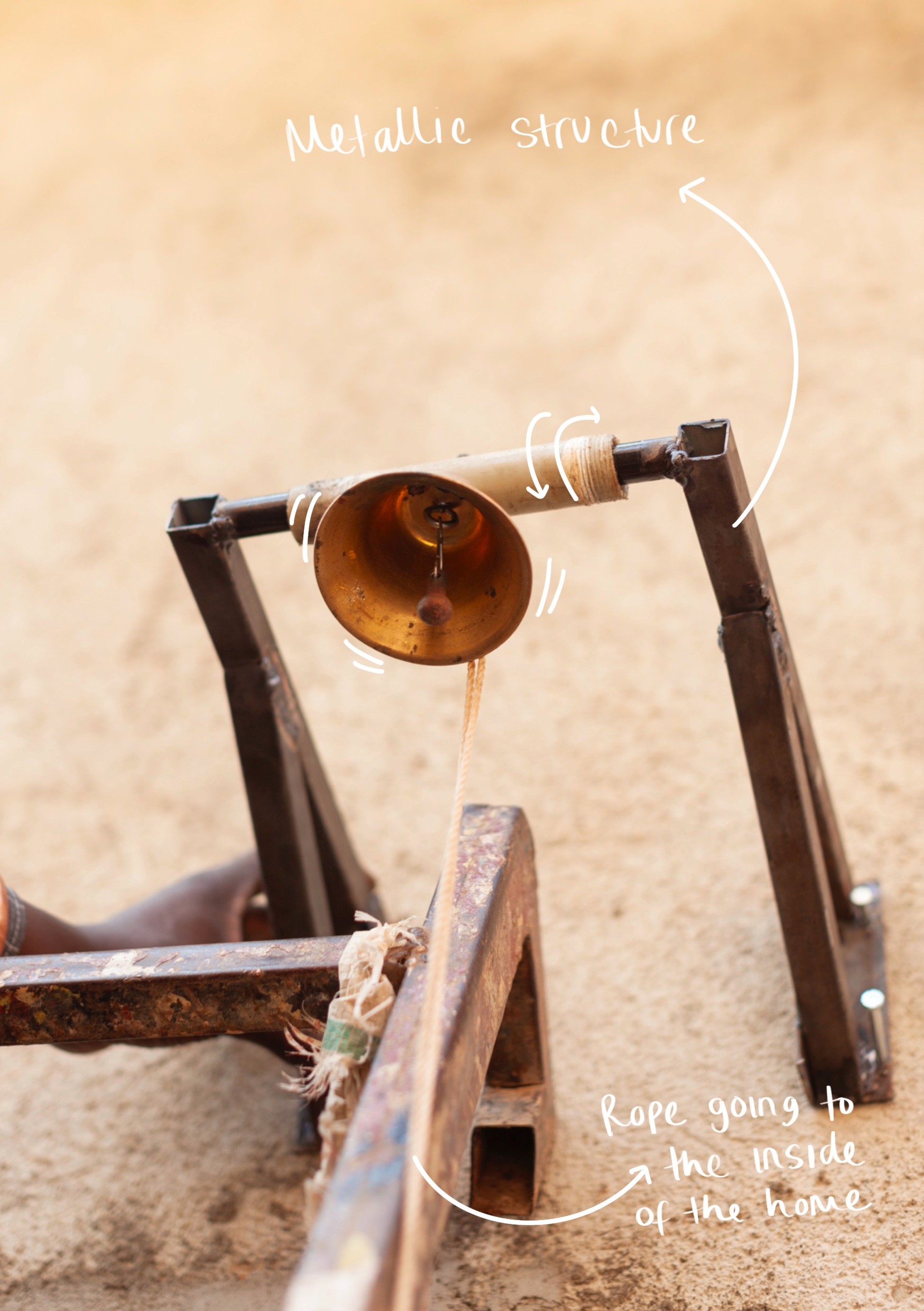
Joy and her peers began by testing a simple idea: a bell alarm system. A rope connected to a metal bell allowed women to signal for help by pulling from inside their homes.
The concept emphasized collective safety—turning a cry for help into a public call for immediate action.
But community feedback revealed challenges:
Children could misuse the rope, triggering false alarms.
The bell wasn’t loud enough to reach far.
The system only worked if a woman was inside her shelter and able to reach the rope.
These limitations pushed the team to think broader. Safety concerns don’t end at the doorstep—women face risks while fetching water, collecting firewood, or walking alone at night.
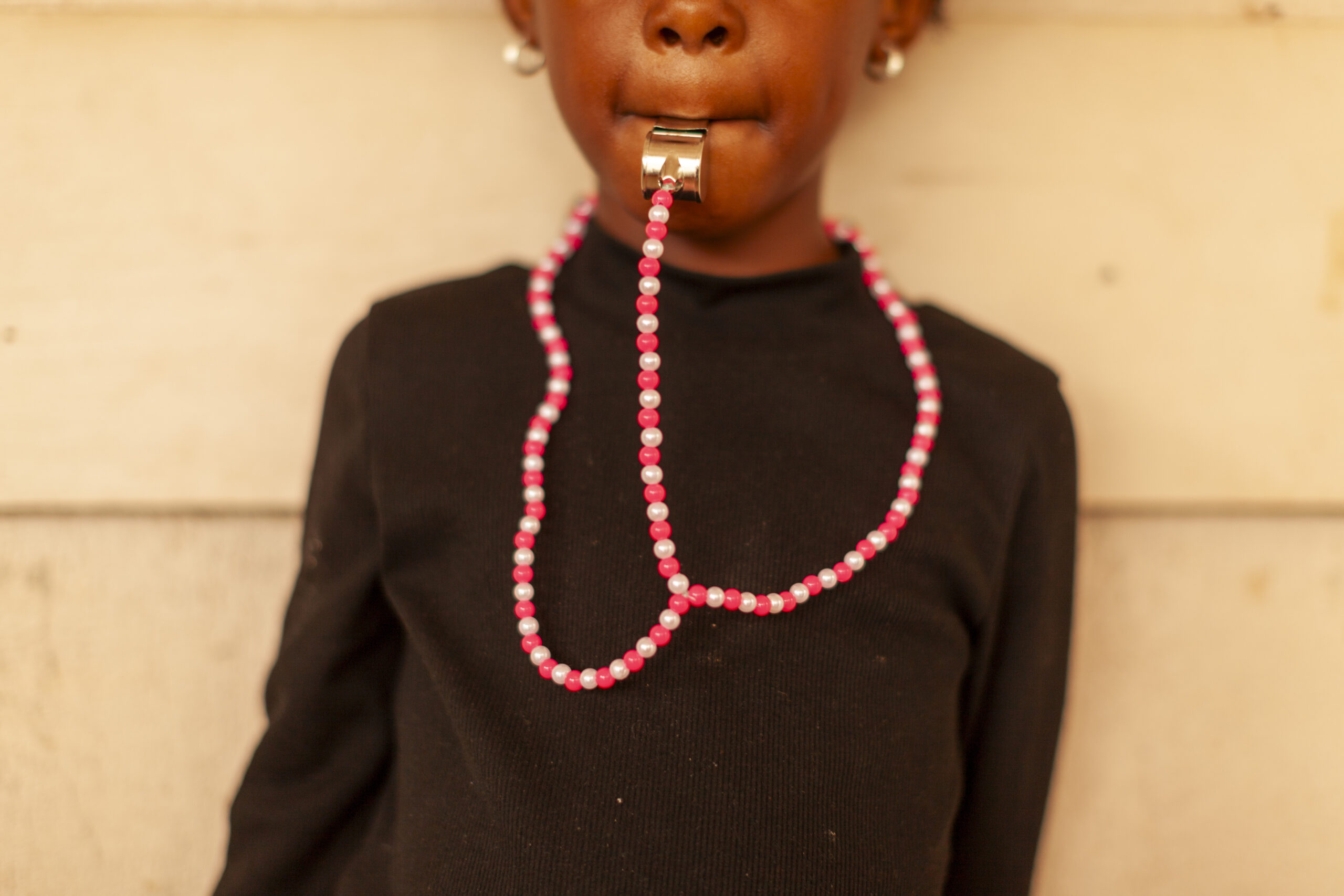
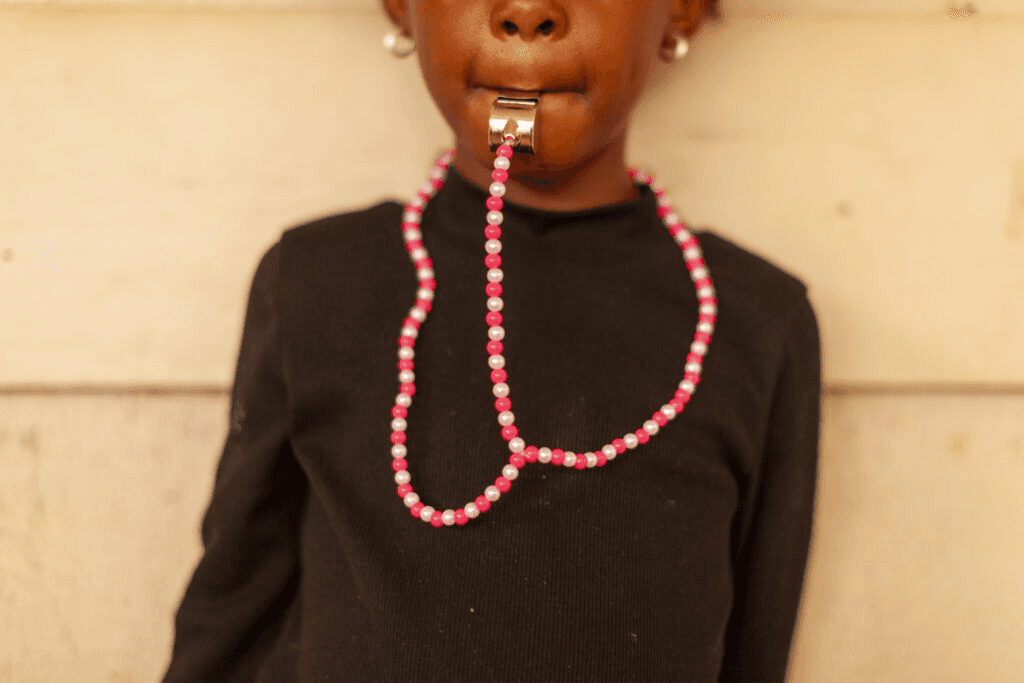
The next prototype addressed this: portable whistle necklaces.
A Whistle—and a Movement
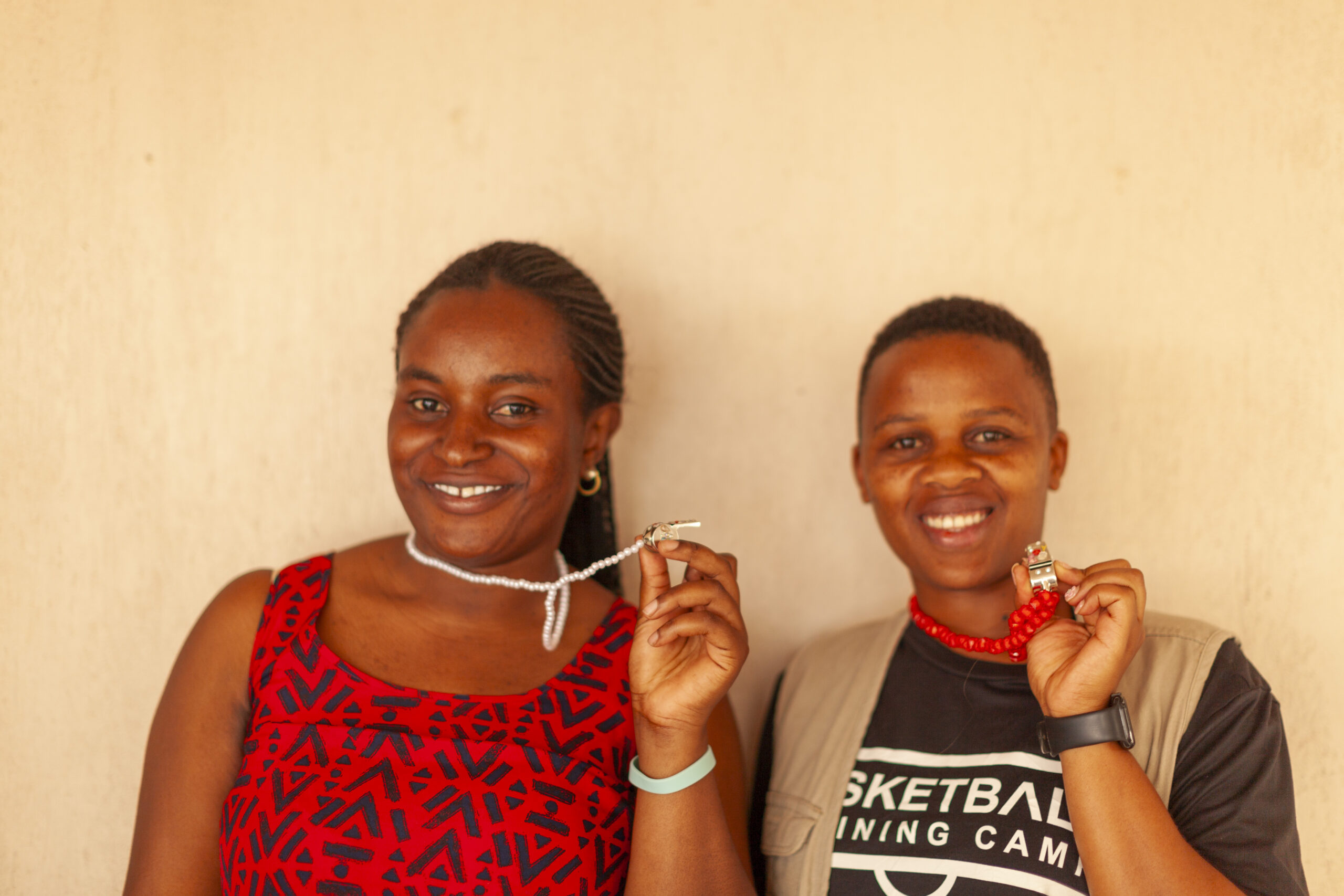
Small, affordable, and discreet, the whistles can be worn as necklaces, always within reach. Loud enough to draw attention from a distance, they offer women a way to signal for help no matter where they are.
But they quickly realized: a whistle alone doesn’t create safety.
For the tool to be effective, it must be embedded within trust, education, and collective action. That’s why the project pairs whistle distribution with workshops led by Joy's organization.
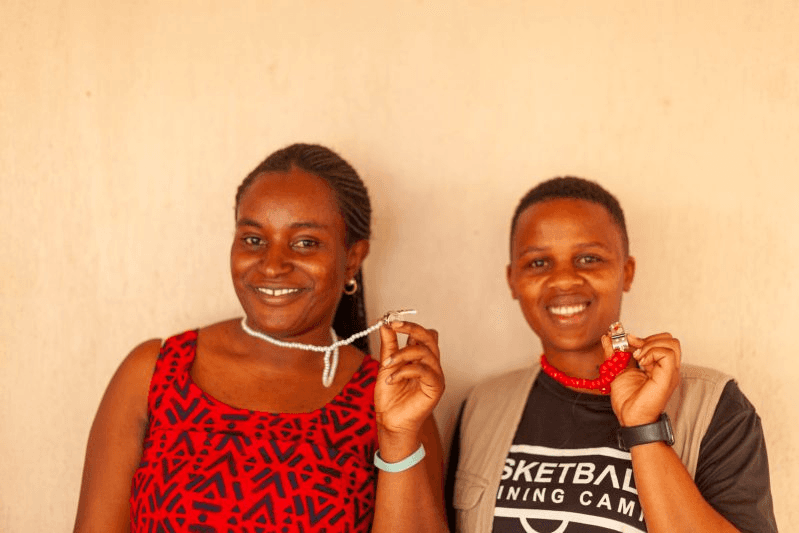
In groups of 20, women learn not only how to make whistles themselves but also how and when to use them—and, crucially, how to respond when they hear one. Each woman makes two whistles: one for herself, and one for “the next woman,” symbolizing solidarity and ensuring wider distribution.
The project is now expanding into a pilot program in one village, in partnership with the protection sector in Nakivale. This initiative combines whistle use with education about proper reporting processes, bridging community awareness with institutional support.
More Than a Tool
What began as a single student’s determination has grown into a movement toward safer, more supportive communities. The whistle is not the solution in itself—but it is a starting point.
By combining design, education, and collaboration, this project provides women with a tangible tool for safety, grounded in collective responsibility and sustained by local leadership.
At Every Shelter, we believe design is not just about materials and structures—it’s about dignity, safety, and empowerment. And sometimes, it begins with something as small as a whistle.
Photos by Tatiana Vejarano Pombo